 Go Back


Solana: Pioneering Payment Rails for the AI Machine Economy
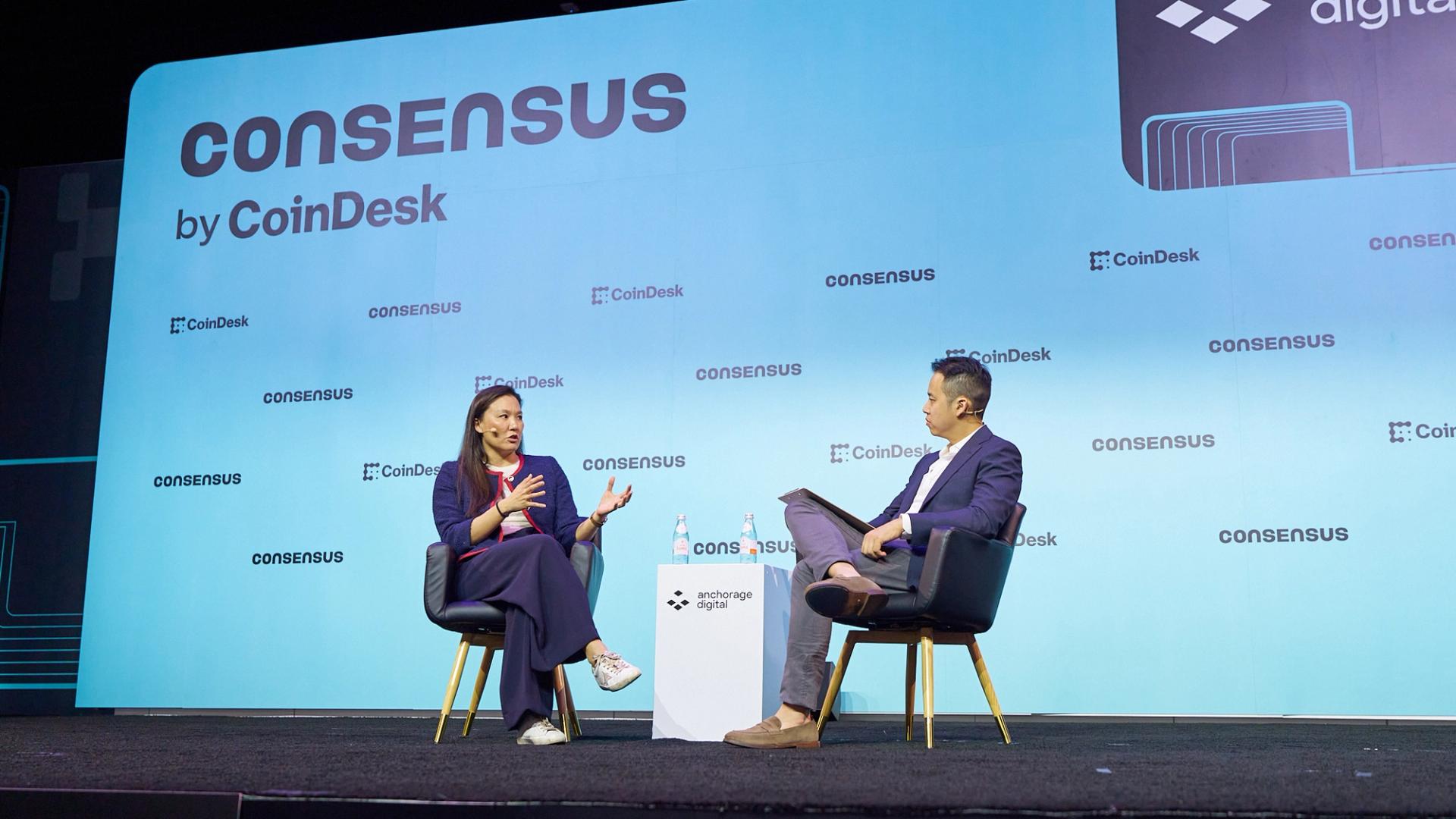
At the recent Consensus Miami 2026 conference, Lily Liu, President of the Solana Foundation, articulated a vision that could reshape the future of financial transactions in a world increasingly dominated by artificial intelligence (AI). Liu emphasized that companies integrating stablecoins, such as Western Union, are validating Solana’s position as critical financial infrastructure catering to both humans and machines.
Quick Take
| Aspect | Details |
|---|---|
| Speaker | Lily Liu, President of Solana Foundation |
| Event | Consensus Miami 2026 |
| Key Focus | Solana’s role in the AI-driven economy |
| Current Adoption | Companies like Western Union adopting stablecoins |
| Implications | Strengthening Solana as a leader in DeFi and AI payment solutions |
What is the AI Machine Economy?
The term “AI machine economy” refers to the evolving landscape where machines, powered by AI, increasingly perform tasks traditionally undertaken by humans. This encompasses everything from automating transactions to enabling smart contracts that facilitate business operations without human intervention. Liu's assertion highlights the need for robust financial infrastructures that can seamlessly accommodate these automated processes.
How is Solana Positioning Itself?
Financial Infrastructure
Liu argues that the adoption of stablecoins, particularly among well-known financial entities like Western Union, underscores Solana's pivotal role in the landscape of digital finance. Stablecoins offer a bridge between volatile cryptocurrencies and traditional fiat currencies, providing reliability in transactions, which is crucial for the AI machine economy. This reliability makes stablecoins an attractive option for businesses looking to adopt blockchain technology without the risk associated with fluctuations in crypto markets.
Smart Transactions
Solana's blockchain boasts high transaction speeds and low costs, essential for operations driven by AI. As AI systems require quick and efficient data processing, Solana’s infrastructure can support the volume of transactions that an AI machine economy would necessitate. This capability places Solana in a unique position relative to other blockchain networks, emphasizing its potential for scalability.
Market Context
The rise of AI technologies has prompted businesses to explore ways to integrate these innovations into their operations. The convergence of AI and blockchain technology is not merely about efficiency; it also encompasses trust and transparency. As companies like Western Union venture into stablecoin usage, they are setting a precedent that may encourage wider adoption across the industry.
Historical Trends
Historically, the integration of technology and finance has catalyzed significant shifts in how businesses operate. The rise of credit cards revolutionized consumer transactions in the 20th century, while the advent of mobile banking has transformed financial accessibility in recent years. The AI machine economy could represent the next major transformation, with blockchain technologies like Solana leading the charge.
Impact on Investors
Opportunities
Investors should closely monitor Solana's developments as they position themselves within this emerging AI machine economy. The increasing acceptance of stablecoins by traditional financial institutions suggests a level of maturity and stability within the cryptocurrency market, which may attract more institutional investors.
Risks
However, potential investors must also consider the risks associated with the volatility of cryptocurrencies and the regulatory landscape that could impact their performance. The integration of AI into financial systems raises questions about data privacy and security, which could influence public perception and regulatory scrutiny.
Future Predictions
As AI technologies continue to evolve, so too will the financial infrastructures that support them. Solana's proactive approach to establishing itself as a payment rail for the AI machine economy may yield significant benefits in the long term. We may witness a future where automated systems operate seamlessly with decentralized finance, creating a more efficient marketplace that is both inclusive and innovative.
In the coming years, it will be crucial to observe how Solana and similar projects navigate the challenges and opportunities presented by this transformation. The intersection of AI and blockchain could herald a new era of financial interactions that redefine not just how businesses operate but also how we understand value in an increasingly automated world.
Conclusion
The implications of Liu's vision for Solana extend beyond mere transactional efficiency; they herald a potentially transformative period in the financial sector. As stablecoins gain traction and AI technologies proliferate, Solana's role as a foundational layer could prove invaluable, making it a project to watch closely for both strategic and investment purposes.