 Go Back


South Korea Mandates 5-Minute Crypto Holdings Verification
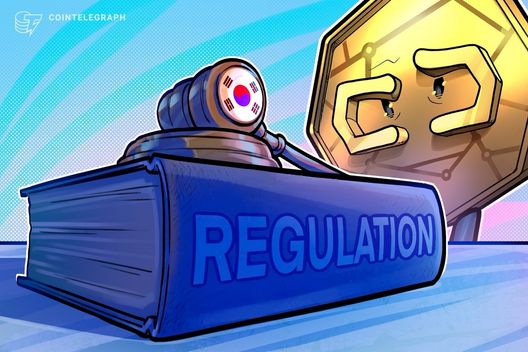
In a significant regulatory shift aimed at enhancing transparency and security within the cryptocurrency ecosystem, South Korea has mandated that crypto exchanges verify their holdings every five minutes. This directive comes in the wake of an inspection that uncovered slow reconciliation cycles and inadequate trade-halting systems across major exchanges. Such a move underscores the government's commitment to safeguarding investors while maintaining a robust trading environment.
Quick Take
| Aspect | Description |
|---|---|
| New Rule | Verification of crypto holdings every 5 minutes. |
| Reason for Rule | Address slow reconciliation cycles and weak trade systems. |
| Impact on Exchanges | Increased operational pressure and potential costs. |
| Investor Implication | Enhanced security and confidence in trading activities. |
Market Context
Cryptocurrencies have witnessed a remarkable evolution over the past decade. While initially viewed as speculative assets, they are increasingly recognized for their potential to revolutionize financial systems globally. However, this transition has not been without its challenges. South Korea, a key player in the global crypto market, has often been at the forefront of crypto innovation but also regulatory scrutiny. The latest rule reflects an overarching trend toward tightening regulations in response to past mismanagement and security breaches that have shaken investor confidence.
Historically, South Korea has experienced significant crypto trading volumes, making it one of the largest markets in the world. However, incidents of fraud and hacking have led to a growing demand for transparency and better security measures. The government's decision to enforce five-minute verification cycles is a direct response to these challenges, aiming to create a more secure environment for both exchanges and investors.
SWOT Analysis
Strengths
- Increased Transparency: The new rule mandates frequent verification, which could significantly increase the transparency of asset holdings in exchanges.
- Investor Confidence: A more secure trading environment may attract more institutional investors, wary of past incidents in the industry.
Weaknesses
- Operational Burden: Exchanges may face increased operational costs as they adjust their systems to meet the new verification requirements.
- Scalability Issues: For larger exchanges, the real-time verification may pose scalability challenges, potentially affecting liquidity.
Opportunities
- Innovation in Solutions: This rule may drive innovations in blockchain technology and crypto accounting solutions, fostering the development of more robust systems.
- Market Leadership: By implementing strict regulations, South Korea could position itself as a global leader in responsible crypto trading.
Threats
- Exodus of Smaller Players: Stricter regulations may lead smaller exchanges to exit the market, consolidating power within larger firms and potentially stifling competition.
- Regulatory Overreach: Excessive regulation could deter investment and innovation if firms find it too burdensome to comply.
Impact on Investors
The implications of South Korea's new verification rule are profound for investors. Enhanced transparency in crypto holdings can lead to a greater sense of security, allowing investors to trade with increased confidence. This regulatory move might also attract institutional investment, as firms often prefer markets with stringent oversight to mitigate risks.
However, investors should remain cautious. Increased operational demands on exchanges might translate to higher trading fees and reduced liquidity, particularly in the short term. The potential for smaller exchanges to exit the market could also limit options for investors, leading to a more consolidated trading environment.
Furthermore, this heightened regulatory atmosphere may spark similar actions in other jurisdictions, prompting a global reevaluation of crypto regulations. Investors must keep abreast of these developments to navigate this evolving landscape effectively.
Conclusion
South Korea's enforceable rule requiring crypto exchanges to verify holdings every five minutes represents a pivotal moment in the country's approach to cryptocurrency regulation. It illustrates a commitment to fostering a more secure trading environment while addressing existing vulnerabilities. As this situation unfolds, stakeholders must remain vigilant and adaptable to the ongoing changes within the crypto sector, paving the way for a more transparent and stable future.