 Go Back


Understanding South Korea's Crypto Liquidity Crisis: A Deep Dive
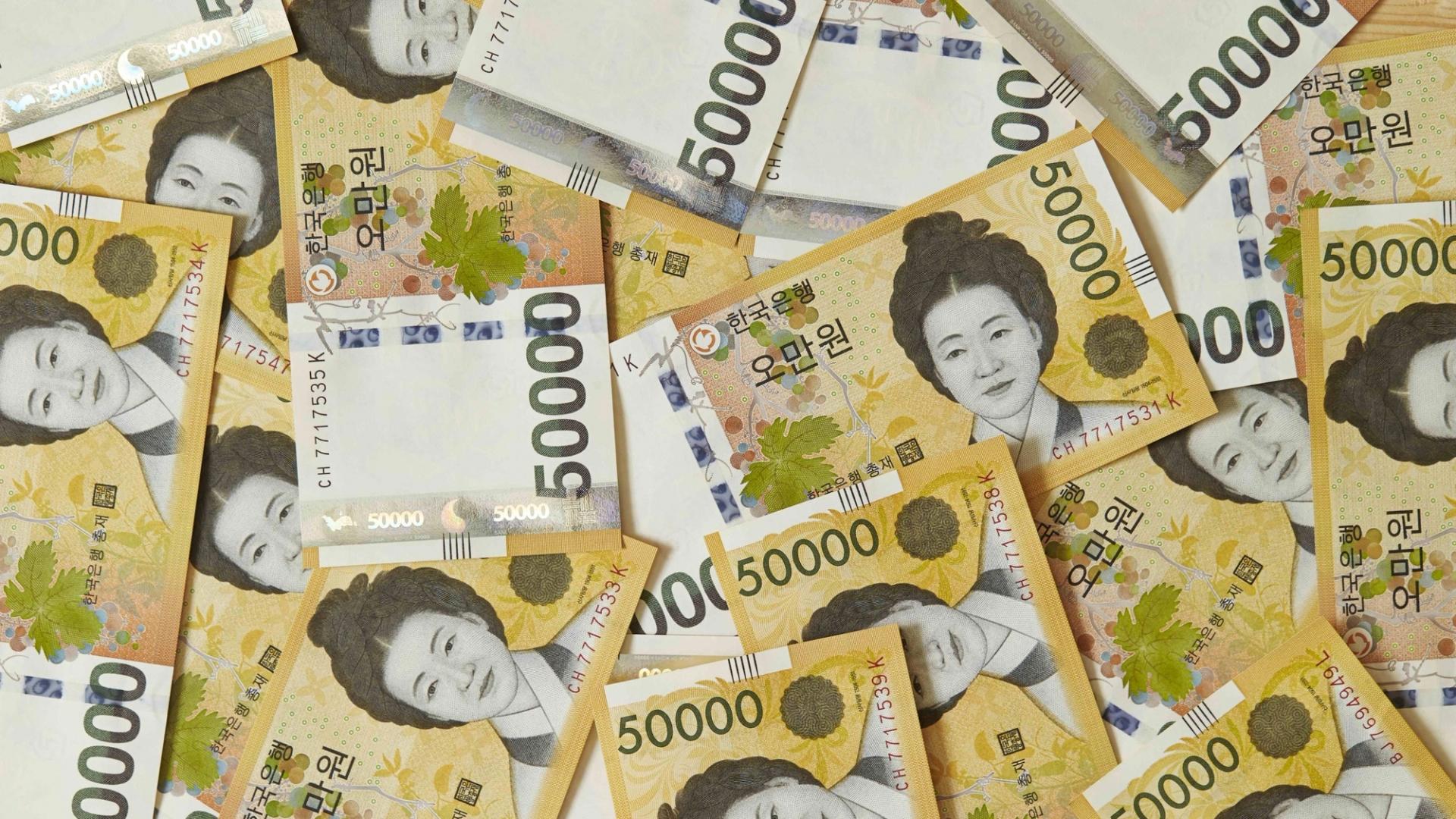
As the crypto landscape continues to mature, regional economic factors play a pivotal role in shaping market dynamics. Recent reports indicate a significant decrease in South Korea's crypto liquidity, notably with stablecoin balances plummeting by 55% since July 2026. This alarming trend is largely attributed to the weakening of the South Korean won and reflects broader macroeconomic conditions affecting both traditional and digital asset markets.
Quick Take
| Metric | Value/Trend |
|---|---|
| Stablecoin Balances | Plummeted 55% |
| Dollar-Linked Token Holdings | Sharp drawdown noted |
| Stock Buying | Increased significantly |
| Currency Context | Weakening won |
Market Context
The decline in dollar-linked token holdings, particularly stablecoins, is a critical indicator of investor sentiment within the South Korean market. A stablecoin's principal function is to provide liquidity and stability, which is crucial during times of market volatility. As the won depreciates, investors may be shifting their allocations toward assets that are perceived as more stable or profitable in the short term, hence the uptick in stock buying amidst a decline in crypto liquidity.
Historically, South Korea has been a robust player in the global cryptocurrency arena, with significant trading volumes and adoption rates. However, as macroeconomic conditions evolve, particularly with inflationary pressures and global monetary policy shifts, the local crypto market is becoming increasingly sensitive to these external factors.
SWOT Analysis
Strengths
- Established Infrastructure: South Korea boasts a well-developed cryptocurrency exchange framework, facilitating swift transactions for traders.
- Tech-Savvy Population: High levels of technological adoption and a culture that embraces innovation support cryptocurrency integration and use.
Weaknesses
- Dependency on Stablecoins: The sharp decline in stablecoin balances highlights a precarious reliance on these assets for liquidity, which can lead to increased volatility in crisis times.
- Regulatory Uncertainty: Ongoing regulatory scrutiny and potential policy shifts may deter new investments and innovation in the crypto sector.
Opportunities
- Diversification into Other Assets: Investors may look toward diversifying their portfolios, leveraging both traditional stocks and crypto assets to mitigate risks.
- Increased Institutional Interest: As the market matures, institutional investors may find opportunities in distressed crypto assets, potentially driving recovery.
Threats
- Economic Downturn: Persisting economic challenges could lead to further declines in investor confidence, exacerbating liquidity issues in crypto markets.
- Global Market Influence: South Korean markets are not immune to global financial conditions, particularly as interconnectedness between economies grows.
Impact on Investors
For investors, the current decline in South Korea's crypto liquidity and the substantial drop in stablecoin holdings serves as a wake-up call to reassess risk exposure. Investors historically drawn to the high volatility and potential returns of cryptocurrencies may now need to adopt a more cautious approach, especially in light of a depreciating national currency.
The shift towards stock buying indicates a possible strategic pivot by investors looking for stability and growth in traditional markets. This behavior underscores the sentiment that, at least in the short term, traditional equities may offer better risk-adjusted returns compared to the current crypto market environment.
Long-Term Analysis
Looking forward, the situation poses questions about the sustainability of South Korea's position in the global cryptocurrency landscape. A continued decline in crypto liquidity may lead to reduced trading volumes, which could introduce further volatility and limit the expansion of the crypto ecosystem.
Moreover, if the won continues to weaken, the country's economic health will remain a central factor influencing how investors allocate their capital. While the immediate reaction may be to pivot towards traditional assets, a recovery in stablecoin balances could signal renewed interest in cryptocurrencies, particularly if macroeconomic conditions stabilize.
In conclusion, the current landscape in South Korea serves as a microcosm of the broader challenges faced by the cryptocurrency industry globally. Investors must remain vigilant and adaptable, ready to navigate the complexities of a market marked by its inherent volatility and unpredictability.