 Go Back


Evaluating South Korea's Push for Broader Crypto Transfer Reporting Rules
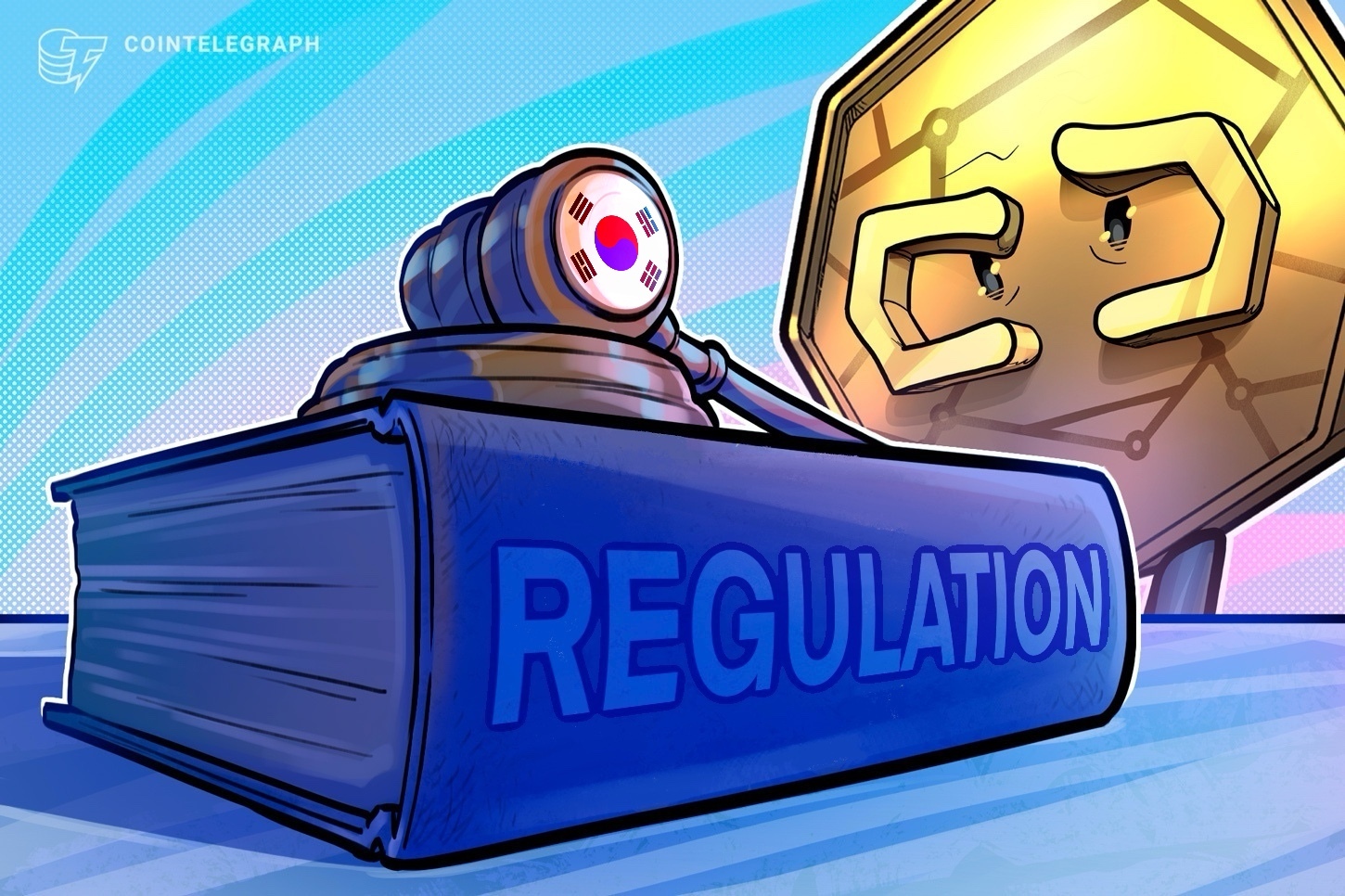
The landscape of cryptocurrency regulation is continually shifting as governments and financial institutions grapple with the challenges posed by the decentralized nature of digital assets. Recently, South Korea’s Financial Intelligence Unit (FIU) has made headlines by advocating for expanded reporting rules regarding smaller cryptocurrency transfers during discussions with the Financial Action Task Force (FATF). This movement aims to address the potential offshore risks and the uneven global enforcement of anti-money laundering (AML) regulations.
Quick Take
| Aspect | Details |
|---|---|
| Country | South Korea |
| Regulatory Body | Financial Intelligence Unit (FIU) |
| Proposed Measures | Broader reporting rules for smaller crypto transfers |
| Context | Discussions during FATF talks |
| Concerns | Offshore risks, uneven global AML enforcement |
The Good: Enhancing Transparency and Security
The proposed expansion of cryptocurrency transfer reporting rules can be seen as a positive step towards enhancing transparency within the crypto market. By requiring reporting on smaller transactions, regulators aim to close loopholes that criminals might exploit for money laundering or other illicit activities. Establishing a clear regulatory framework can foster a safer environment for users and investors alike. It also aligns with the global trend toward stricter compliance measures in the financial sector, increasing overall trust in cryptocurrency as a legitimate asset class.
Additionally, South Korea's proactive stance could set a precedent for other nations to follow. If successful, these initiatives could lead to a more unified approach to crypto regulation globally, helping to mitigate risks associated with the decentralization of cryptocurrencies.
The Bad: Potential Overreach and Compliance Burdens
On the flip side, the push for broader reporting could lead to unintended consequences. There is a growing concern that overly stringent regulations may stifle innovation within the crypto sector. Smaller players, particularly startups and independent developers, may find it increasingly challenging to operate under complex compliance requirements. This could result in a concentration of power among larger, established entities that can afford to navigate the regulatory landscape.
Moreover, the need for extensive reporting might push users back to more anonymous methods of transactions, undermining the very goals of enhanced transparency. The balance between regulatory oversight and fostering innovation remains a delicate one, and there is a risk that South Korea’s regulations could tilt too far in one direction.
The Ugly: Market Volatility and Reaction
The reaction of the cryptocurrency market to regulatory changes can often be unpredictable. Increased regulations, especially if perceived as heavy-handed, may lead to immediate market volatility. Investors may react by pulling back from the market or reallocating their portfolios in anticipation of tighter controls. This could exacerbate fluctuations in asset prices and create a more erratic trading environment.
Additionally, if South Korea's new measures are viewed as a precursor to similar moves by other countries, it could spark a wider trend of regulatory crackdowns, impacting global sentiment toward cryptocurrencies. Historically, significant regulatory announcements have led to sharp declines in cryptocurrency values, as seen during the Chinese crypto ban in 2021.
Market Context
The current call for expanded reporting aligns with a broader global trend towards enhanced AML practices in the cryptocurrency sector. The FATF has long advocated for the implementation of the Travel Rule, which mandates that cryptocurrency exchanges share relevant information about the parties involved in a transaction. South Korea’s initiative to extend this to smaller transfers may be viewed as an effort to comply with international standards while addressing local concerns about the potential for tax evasion and illicit financing.
The global crypto market, currently valued in the trillions, is highly susceptible to regulatory changes. Investors must remain attentive to news from regulatory bodies, as shifts in policy can significantly affect market sentiment and asset prices. South Korea's move could influence other jurisdictions' regulatory stances, leading to a cascade of changes in compliance requirements worldwide.
Impact on Investors
For investors, the implications of South Korea's proposed regulations are multifaceted. On one hand, clear and consistent regulations can provide a framework that enhances market stability and protects against fraud. On the other hand, the potential burden of compliance could deter new investments and innovation in the space, impacting overall growth.
Investors should closely monitor the developments of these regulations and consider diversifying their portfolios to mitigate risks associated with regulatory volatility. Moreover, understanding the regulatory landscape will be crucial for making informed investment decisions in the future.
In conclusion, while South Korea's push for broader reporting rules on smaller crypto transfers comes with the promise of increased security and compliance, it also raises concerns regarding market overreach and potential negative impacts on innovation. The evolving regulatory environment will require investors to remain agile and well-informed as they navigate the complexities of the cryptocurrency market.