 Go Back


SpaceX: A New Titan in Bitcoin Holdings Among Public Companies
In a significant shift in the cryptocurrency landscape, SpaceX is poised to surpass MicroStrategy (MSTR), Tesla (TSLA), and Coinbase (COIN) as the largest public company holding Bitcoin. This development indicates not just a growing acceptance of Bitcoin, but also a potential pivot in how public companies are integrating digital assets into their balance sheets. 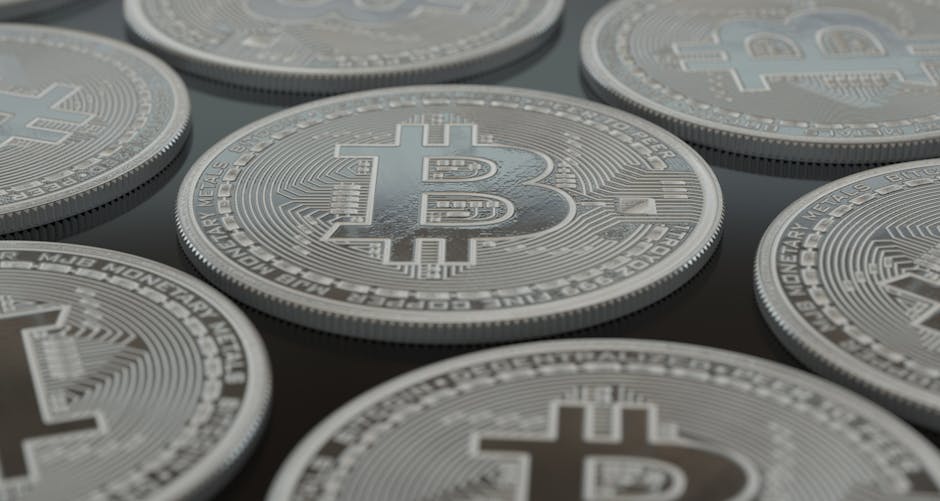
Quick Take
| Aspect | Details |
|---|---|
| Current Market Leaders | MicroStrategy, Tesla, Coinbase |
| Upcoming Contender | SpaceX |
| Potential Impact | Redefines corporate treasury management |
| Investor Sentiment | Shift towards digital assets in portfolios |
Market Context
The cryptocurrency market, especially Bitcoin, has experienced tumultuous changes over the past few years. Bitcoin's journey from a niche digital asset to a mainstream financial instrument has attracted the attention of corporate giants. Companies like MicroStrategy, led by Michael Saylor, have paved the way for institutional adoption by converting substantial cash reserves into Bitcoin.
With SpaceX potentially leading the charge, it's essential to analyze the macroeconomic factors influencing this trend:
- Inflationary Pressures: The global economy is grappling with inflation that has eroded the purchasing power of fiat currencies. In this environment, Bitcoin is often viewed as a hedge against inflation, much like gold.
- Technological Integration: Companies are increasingly recognizing the value of Bitcoin in their financial strategies, not just as a speculative asset but as a tool for corporate treasury management.
- Increased Regulatory Clarity: As various governments and regulatory bodies move toward clearer frameworks for cryptocurrencies, institutional players are more willing to engage with digital currencies.
SWOT Analysis of SpaceX's Bitcoin Holdings
Strengths
- Innovative Leadership: SpaceX's visionary leadership under Elon Musk is known for pushing boundaries, which may lead to innovative uses of Bitcoin.
- Diversification Strategy: Adding Bitcoin to their balance sheet can provide SpaceX with a hedge against economic downturns.
- Increased Credibility: By holding Bitcoin, SpaceX could attract more institutional investors interested in cryptocurrency exposure.
Weaknesses
- Market Volatility: Bitcoin's price is notoriously volatile, which could impact SpaceX's financial stability if not managed correctly.
- Regulatory Risks: Engaging heavily in cryptocurrency may expose SpaceX to regulatory challenges in various jurisdictions.
- Resource Allocation: Significant investments in Bitcoin could divert funds from other critical areas of growth and innovation.
Opportunities
- Market Leadership: By leading in Bitcoin holdings, SpaceX could set trends for other companies and become a thought leader in cryptocurrency adoption.
- Partnerships and Collaborations: There are potential opportunities for collaborations with blockchain companies to integrate Bitcoin into their operations.
- Enhanced Brand Image: Being seen as a forward-thinking company might improve SpaceX's brand image, appealing to tech-savvy investors.
Threats
- Increased Competition: As more companies explore Bitcoin holdings, SpaceX may face intensified competition in attracting investor interest.
- Market Sentiment: A shift in market sentiment against cryptocurrencies could lead to adverse impacts on SpaceX's financial standing.
- Technological Risks: As a digital asset, Bitcoin faces risks from cybersecurity threats and technological failures.
Impact on Investors
The rise of SpaceX as a major Bitcoin holder could significantly impact investor strategies in the cryptocurrency and stock markets. For one, it might encourage more traditional investors to view Bitcoin as a legitimate asset class, leading to increased allocation towards cryptocurrencies in diversified portfolios.
Moreover, investors may start to scrutinize the balance sheets of other public companies to assess their cryptocurrency exposure. This could result in a surge in demand for shares of companies that adopt Bitcoin or other cryptocurrencies, subsequently driving up valuations.
In conclusion, SpaceX's potential dominance in Bitcoin holdings among public companies marks a pivotal moment in the integration of cryptocurrency into mainstream finance. As macroeconomic factors continue to evolve, the implications for both individual and institutional investors could be profound, presenting new opportunities and challenges in navigating the digital asset landscape.