 Go Back

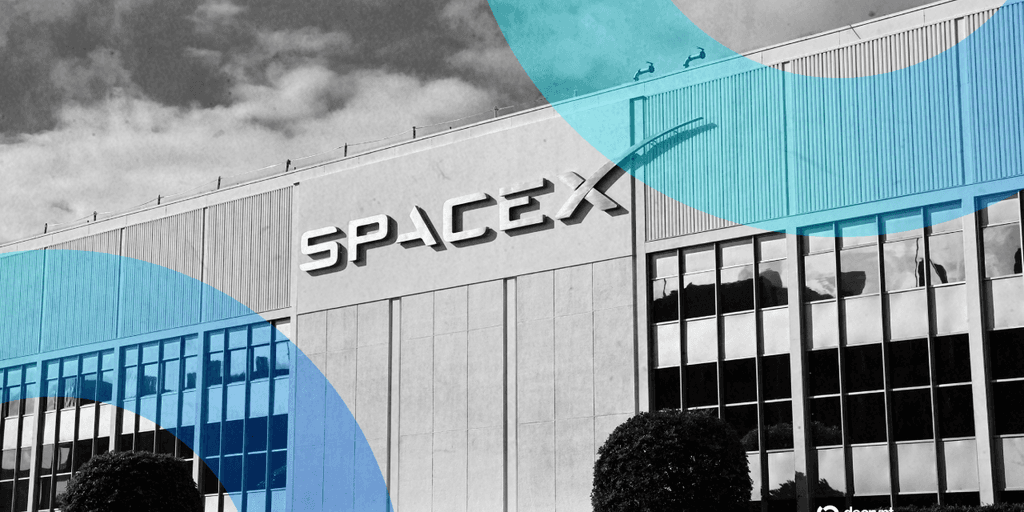
SpaceX's IPO: Musk's Vision for AI-Driven Space Infrastructure
The recent IPO filing by SpaceX has captured the attention of the tech and investment communities, unveiling an ambitious blueprint that weaves together artificial intelligence, space exploration, and communications technology. With a staggering commitment to AI spending and innovations in its Starship project, SpaceX is positioning itself not just as a rocket manufacturer but as a comprehensive infrastructure giant in the realms of space and technology.
Quick Take
| Aspect | Detail |
|---|---|
| Company | SpaceX |
| IPO Filing Purpose | To raise funds for AI and Starship development, integrating technology sectors. |
| Key Focus Areas | AI development, satellite internet, social media platforms, launch systems. |
| Visionary Leader | Elon Musk |
| Potential Market Impact | Could redefine the competitive landscape of aerospace, tech, and infrastructure. |
Market Context
As we analyze the implications of SpaceX's IPO filing, it is essential to consider the broader macroeconomic landscape. The global aerospace market has been experiencing dynamic shifts, driven by increased demand for satellite launches, advancements in space technology, and a surge in interest for commercial space travel. With the integration of artificial intelligence into SpaceX's operations, the company aims to streamline its processes and enhance the efficiency of its services, which may set new industry standards.
The Need for AI in Aerospace
The utilization of AI in aerospace and related sectors is gaining momentum. Here are key points illustrating this trend:
- Data Management: AI can significantly enhance data collection and analysis, optimizing satellite operations and improving navigation systems.
- Cost Reduction: By automating various processes, AI can help in reducing operational costs, making launches more economical.
- Enhanced Safety Protocols: AI-driven analytics can predict equipment failures and enhance safety measures during launches.
SpaceX’s commitment to integrating AI solutions into its infrastructure could potentially position it as a leader in an industry that is rapidly evolving to incorporate smart technologies.
Impact on Investors
The IPO filing not only highlights SpaceX's ambitious goals but also presents a unique investment opportunity. Here’s how the integration of AI and space infrastructure under one umbrella could affect potential investors:
Attractive Growth Potential
Investors are likely to be drawn to the growth potential associated with a company that aims to dominate multiple sectors. The combination of launch systems, satellite internet, social media, and AI under one umbrella could create synergies that drive significant revenue growth.
Diversification Strategy
By intertwining different technological sectors, SpaceX could offer investors a diversified portfolio. This is particularly appealing in a volatile market where technology stocks can fluctuate significantly. Investing in a multifaceted entity may provide a buffer against market downturns.
Strategic Partnerships and Collaborations
Musk's vision often includes forming strategic partnerships. Collaborations with other tech giants or governmental space agencies could bolster SpaceX’s market position and provide additional revenue streams. Investors may benefit from these partnerships through enhanced innovation and shared resources.
Market Competition and Risks
While the prospects are bright, investors should also consider the competitive landscape. Major players like Blue Origin and traditional aerospace firms are also investing heavily in technology and innovation. As these companies ramp up their capabilities, SpaceX may face increased pressure to maintain its leading position.
Regulatory Considerations
Finally, potential investors should remain cognizant of the regulatory landscape governing both aerospace and technology sectors. The interplay between innovation and regulation can significantly impact operational capabilities and market entry.
Conclusion
Elon Musk’s vision of creating an AI-driven space infrastructure through SpaceX's IPO filing showcases a transformative approach in both aerospace and technology sectors. The implications for investors are profound, presenting both opportunities and risks as the company seeks to innovate at the intersection of space and artificial intelligence. As this narrative unfolds, stakeholders must stay informed and agile to navigate the evolving landscape.
The intersection of these industries not only promises to shape the future of space exploration but may also redefine how we perceive and utilize technology in our everyday lives.