 Go Back


Spain's Ban on Polymarket and Kalshi: Implications for DeFi and Markets
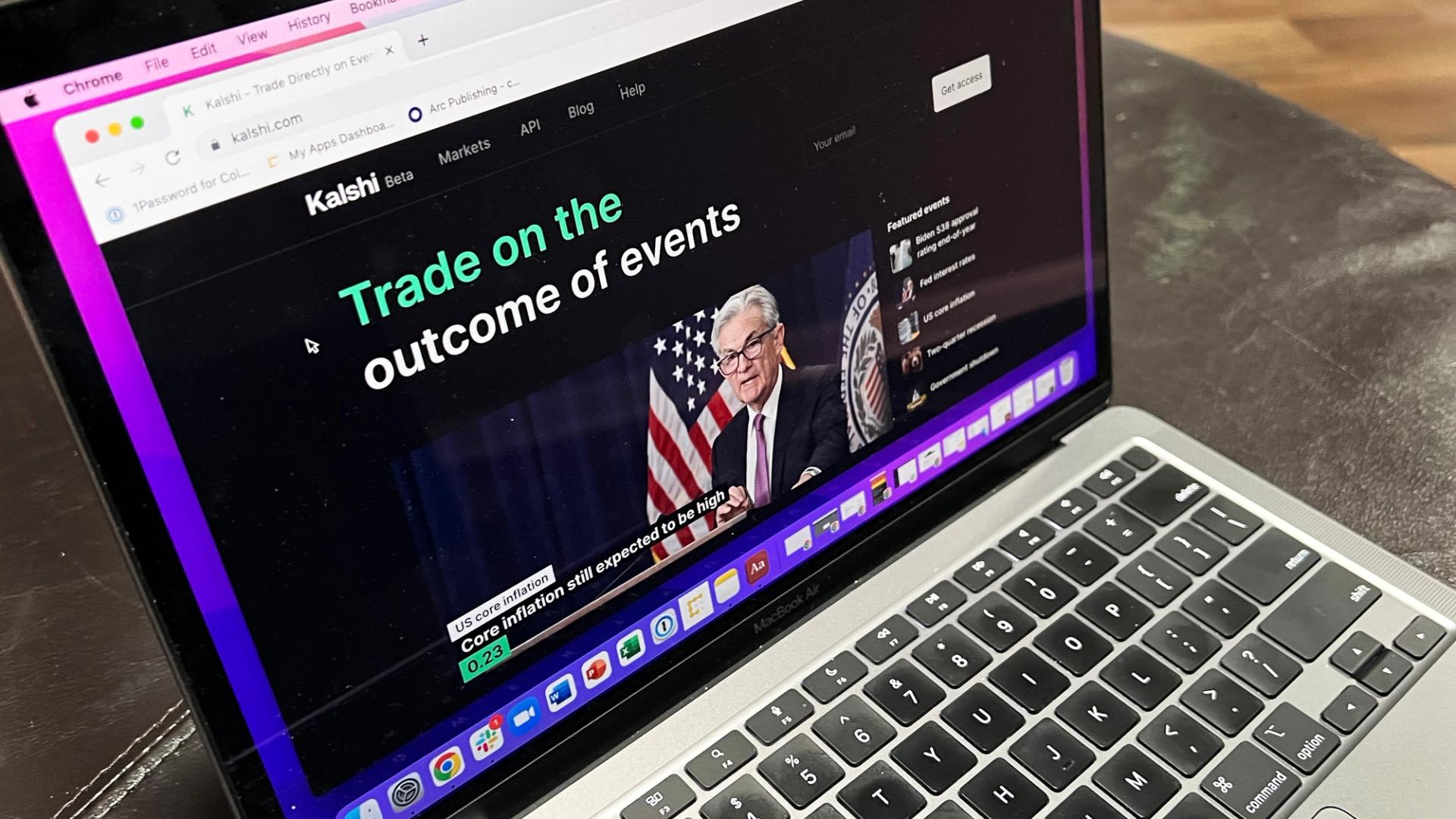
The recent decision by Spain to block the operations of prediction markets Polymarket and Kalshi has sent ripples across the decentralized finance (DeFi) landscape. Operating without the necessary licenses under Spanish gambling law, these platforms faced scrutiny not only for their business practices but also for the potential risks they pose to vulnerable populations, including minors and those who self-exclude from gambling. This action marks a significant moment in the intersection of regulatory frameworks and innovative financial technologies.
Quick Take
| Aspect | Details |
|---|---|
| Country | Spain |
| Platforms Affected | Polymarket, Kalshi |
| Reason for Ban | Lack of required licenses, insufficient safeguards |
| Regulatory Focus | Protection of minors and self-excluded gamblers |
| Impact on DeFi | Potentially restrictive, raises questions on compliance |
The Good, The Bad, and The Ugly of Spain's Decision
The Good
- Regulatory Clarity: Spain's move provides clearer boundaries for digital platforms operating in its jurisdiction. By enforcing compliance with local laws, the government aims to protect vulnerable groups from potential harm associated with prediction markets.
- Consumer Protection: The emphasis on safeguarding minors and self-excluded gamblers reflects a growing recognition of the responsibilities that come with operating financial platforms. This could encourage other jurisdictions to adopt similar regulatory frameworks, ultimately leading to a more secure environment for users.
- Increased Awareness: The ban raises public awareness about the risks associated with decentralized markets and prediction platforms, potentially leading to more informed decisions by users.
The Bad
- Stifling Innovation: Over-regulation can hinder the growth of innovative financial technologies. By blocking platforms like Polymarket and Kalshi, Spain may deter startups and entrepreneurs from entering the market, fearing similar restrictions.
- Market Fragmentation: As countries adopt varying degrees of regulation, the global market could become fragmented. This can lead to difficulties for users looking to access platforms that are banned in their jurisdictions, ultimately limiting participation in the DeFi ecosystem.
- Loss of Opportunity: By shutting out these platforms, Spain risks losing out on potential economic benefits that could arise from the operation of prediction markets, such as job creation and increased tax revenue.
The Ugly
- Risk of Underground Markets: When legitimate platforms are banned, users may turn to unregulated or underground markets. This shift can increase the risk of fraud and exploitation, undermining the very protections that regulations aim to establish.
- Global Pushback: Tighter regulations in one country can prompt backlash from the global DeFi community. This could lead to a negative perception of Spain as a business destination, impacting its broader economic strategy.
- Potential for Increased Black-Market Gambling: With the ban on legitimate platforms, individuals may seek alternative ways to gamble or speculate, which could have serious financial and social implications.
Market Context
Spain's regulatory actions are part of a broader global trend where countries are grappling with how to manage the rise of DeFi and blockchain technology. The European Union, in particular, is moving toward a more cohesive set of regulations aimed at providing a framework for digital assets. However, differences in approaches among member states can lead to confusion and inconsistency.
This ban reflects concerns over user safety and regulatory compliance, which are critical as the DeFi space continues to evolve. As platforms like Polymarket and Kalshi offer unique financial products that may resemble gambling, distinguishing between legitimate financial products and gambling remains a challenge.
Impact on Investors
For investors, the ban serves as a stark reminder of the importance of regulatory compliance within the DeFi sector. It highlights the need for platforms to adapt to local laws and emphasizes the role of governance in enhancing user trust. Investors must now be more cautious and conduct thorough due diligence on platforms operating in their jurisdictions.
The implications of Spain's ban extend beyond immediate regulatory compliance; they could reshape investor sentiment and confidence in DeFi markets. As countries take varied stances on regulation, investors may gravitate toward jurisdictions perceived as more favorable, potentially affecting liquidity and market dynamics within the DeFi space.
As the DeFi landscape continues to mature, the balance between innovation and regulation will be crucial. Investors should keep an eye on regulatory developments in Spain and other countries, as these could signal broader trends that might impact their investment strategies moving forward.
In conclusion, Spain's ban on Polymarket and Kalshi underscores the complex interplay between regulation and innovation in the DeFi sector. While the intent behind such actions is often to protect consumers, the unintended consequences can be far-reaching, necessitating a delicate balance in future regulatory approaches.