 Go Back

SpeciesNet: Driving Wildlife Conservation Through AI Innovation
In an age where technological advancements are reshaping various sectors, the intersection of artificial intelligence (AI) and wildlife conservation is a notable frontier. Google recently unveiled its SpeciesNet, an open-source AI model aimed at enhancing global wildlife conservation efforts. This initiative not only underscores the commitment to sustainability but also positions AI as a crucial player in addressing ecological challenges.
Quick Take
| Aspect | Details |
|---|---|
| Project Name | SpeciesNet |
| Type | Open-source AI model |
| Purpose | Wildlife conservation and species protection |
| Significance | Leverages AI for enhanced conservation strategies |
| Global Impact | Aids in protecting ecosystems and biodiversity worldwide |
The Genesis of SpeciesNet
SpeciesNet emerged as a response to the urgent need for effective wildlife conservation strategies in the face of ongoing biodiversity loss. As habitats shrink and species face extinction due to climate change, poaching, and habitat destruction, traditional conservation methods are proving insufficient. Technology, particularly AI, offers innovative solutions to enhance these efforts.
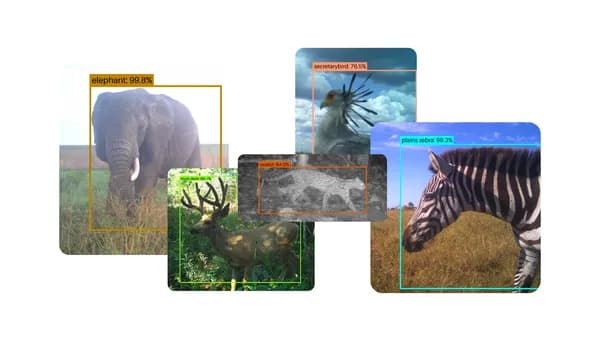
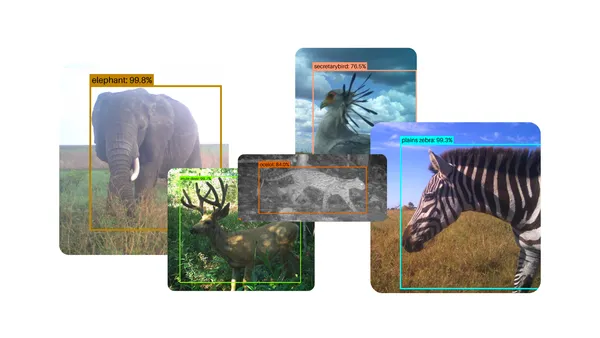
The SpeciesNet project embodies a new approach where machine learning algorithms process massive amounts of ecological data, helping researchers and conservationists make informed decisions. By utilizing AI for wildlife data analysis, SpeciesNet assists in tracking animal populations, understanding migration patterns, and predicting ecological changes.
Market Context
The global wildlife conservation market is projected to grow, driven by increasing awareness of environmental issues and the need for biodiversity preservation. Governments, NGOs, and private sectors are now more willing to invest in technology-driven solutions. According to a report by the World Wildlife Fund, nearly 1 million species face extinction, emphasizing the urgency for innovative tools like SpeciesNet.
AI's role in this sphere aligns with a broader economic trend towards sustainable investment. Investors are increasingly prioritizing companies that integrate sustainability into their business models. As organizations adopt AI to bolster their conservation efforts, the demand for such technologies will likely rise, providing a lucrative market for tech developers and investors alike.
How SpeciesNet Works
SpeciesNet employs advanced algorithms that learn from vast datasets, including satellite imagery, ecological surveys, and social media trends regarding wildlife sightings. Here’s a brief look at how it functions:
- Data Collection: SpeciesNet aggregates diverse datasets, ensuring comprehensive coverage of ecosystems.
- Pattern Recognition: The AI analyzes patterns and anomalies, helping predict changes in wildlife behaviors or migrations.
- Real-time Monitoring: Through continuous data input, SpeciesNet facilitates real-time monitoring of endangered species and habitats.
- Collaboration: The open-source nature allows developers and conservationists worldwide to collaborate and improve the model’s capabilities.
Impact on Investors
Investors looking at the technological aspect of conservation efforts should note the following:
- Rising Demand for Green Tech: The growing concern about climate change and environmental degradation is driving demand for innovative conservation technologies like SpeciesNet. This trend presents investment opportunities in companies developing such solutions.
- Enhanced Corporate Responsibility: As businesses increasingly integrate sustainability into their operations, companies utilizing AI for conservation can enhance their brand reputation, attracting ethically-minded investors.
- Collaborative Innovation: The open-source model of SpeciesNet encourages collective improvement, potentially leading to breakthroughs that can create new markets and investment avenues in the tech sector.
Future Predictions
Looking ahead, the potential applications of SpeciesNet and similar AI models in wildlife conservation are vast. As the technology matures, several trends may emerge:
- Broader Ecosystem Applications: Beyond wildlife, AI could be applied to broader ecological systems, aiding in forest management, ocean conservation, and agricultural sustainability.
- Integration with Augmented Reality (AR): Future iterations may incorporate AR to provide immersive experiences for conservationists and the public, fostering greater understanding and support for wildlife preservation efforts.
- Global Collaboration: The open-source landscape will promote global collaboration, uniting researchers, technologists, and communities in a shared goal of protecting the planet’s biodiversity.
Conclusion
SpeciesNet exemplifies how AI can revolutionize wildlife conservation, providing critical tools to combat the biodiversity crisis. As investors and stakeholders recognize the value of integrating technology into conservation strategies, initiatives like SpeciesNet will likely gain momentum, paving the way for a more sustainable future. The path forward is not only about preserving nature but also about reimagining how we interact with and protect our planet’s diverse ecosystems.