 Go Back

The Creative Frontier: Spielberg's Stand Against AI in Film
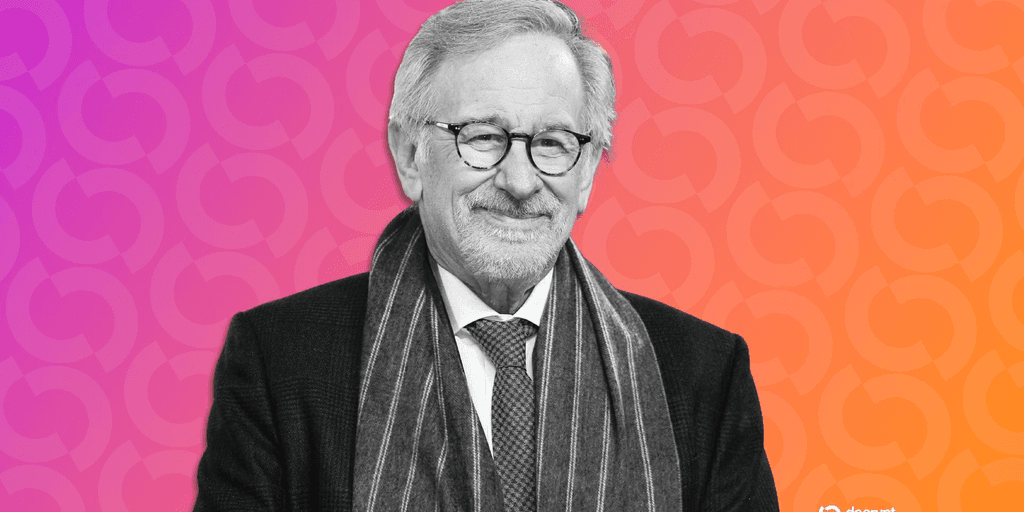
Steven Spielberg, the iconic director known for his impactful storytelling, recently voiced his thoughts on the encroachment of artificial intelligence in creative domains during a panel at SXSW. His insights not only reflect his personal stance but also raise critical questions about the future of creativity in the film industry and beyond.
Quick Take
| Aspect | Details |
|---|---|
| Speaker | Steven Spielberg |
| Event | SXSW |
| Main Point | Opposition to AI replacing human creativity |
| Industry Implications | Potential shifts in filmmaking, labor dynamics, and creativity |
Spielberg's Perspective on AI
Spielberg's reluctance to embrace AI in filmmaking is indicative of a broader concern among creatives. As AI technologies become increasingly advanced, the fear that machines may usurp the artistry and intuition inherent in human creativity is palpable. Spielberg has not yet utilized AI in his work, underscoring his commitment to traditional filmmaking techniques that prioritize human emotion and connection.
The Historical Context of Technology in Film
This conversation is not new. The film industry has long grappled with the integration of technology into its processes. From the advent of sound in film to the introduction of digital effects, there has always been a push and pull between traditional methods and technological advancements. However, AI introduces a unique challenge, as it can generate content that mimics human creativity, raising ethical questions about ownership, authenticity, and the role of the artist.
Market Context
The current landscape for filmmakers is complex, especially as we see a surge in AI-driven tools designed to assist in scriptwriting, editing, and even acting. The promise of efficiency and cost-effectiveness is enticing; however, it threatens to diminish the uniqueness of storytelling—a major selling point for audiences. As we observe trends in various media sectors, it becomes increasingly clear that consumers value genuine human experiences over algorithm-generated content.
Key Trends Influencing the Film Industry:
- Rise of Streaming Services: Companies like Netflix and Amazon are pushing boundaries regarding content creation and distribution, often utilizing data analytics to inform their decisions.
- AI in Content Creation: Companies are developing AI tools that can write scripts, generate storyboards, and even create character arcs.
- Public Sentiment: As Spielberg's comments indicate, there is a growing unease about the role of AI, with many advocating for the preservation of human creativity in art.
Impact on Investors
The film industry’s exploration of AI could have significant ramifications for investors. As creatives like Spielberg champion human artistry, investors may need to reconsider where they allocate their funds.
Considerations for Investors:
- Ethical Investment: With a significant portion of the public resistant to AI in creative fields, ethical investing in projects that prioritize human ingenuity may yield better long-term returns.
- Adaptation and Evolution: Filmmakers and studios that adapt to incorporate AI thoughtfully while maintaining a human touch could provide a unique investment opportunity.
- Market Risks: There's a potential risk in investing heavily in AI-driven projects that may face backlash from audiences who prefer traditional storytelling methods.
The Future of Creativity in the Age of AI
The dialogue sparked by Spielberg at SXSW is emblematic of a larger cultural conversation about the intersection of technology and creativity. As the film industry grapples with AI, we may see a bifurcation: projects that leverage AI for efficiency versus those that focus on human-centered storytelling. This duality may create opportunities for niche markets that celebrate traditional creativity, creating a more diversified landscape.
Conclusion
While AI continues to advance and reshape industries, the call for preserving human creativity remains strong. Spielberg's firm stance against AI replacing creatives resonates with many in the film industry and beyond, reinforcing the idea that the heart of storytelling lies in the human experience. As we navigate this complex terrain, the balance between innovation and authenticity will define the future of creativity.
Final Thoughts
The conversations surrounding AI's role in creative fields are just beginning. As filmmakers like Spielberg advocate for the uniqueness of human storytelling, it will be essential for all stakeholders—creators, investors, and audiences—to engage in these discussions to shape a future where both technology and human creativity can coexist harmoniously.