 Go Back


New Regulations: Stablecoin Customer-ID Rules Proposed by U.S. Agencies
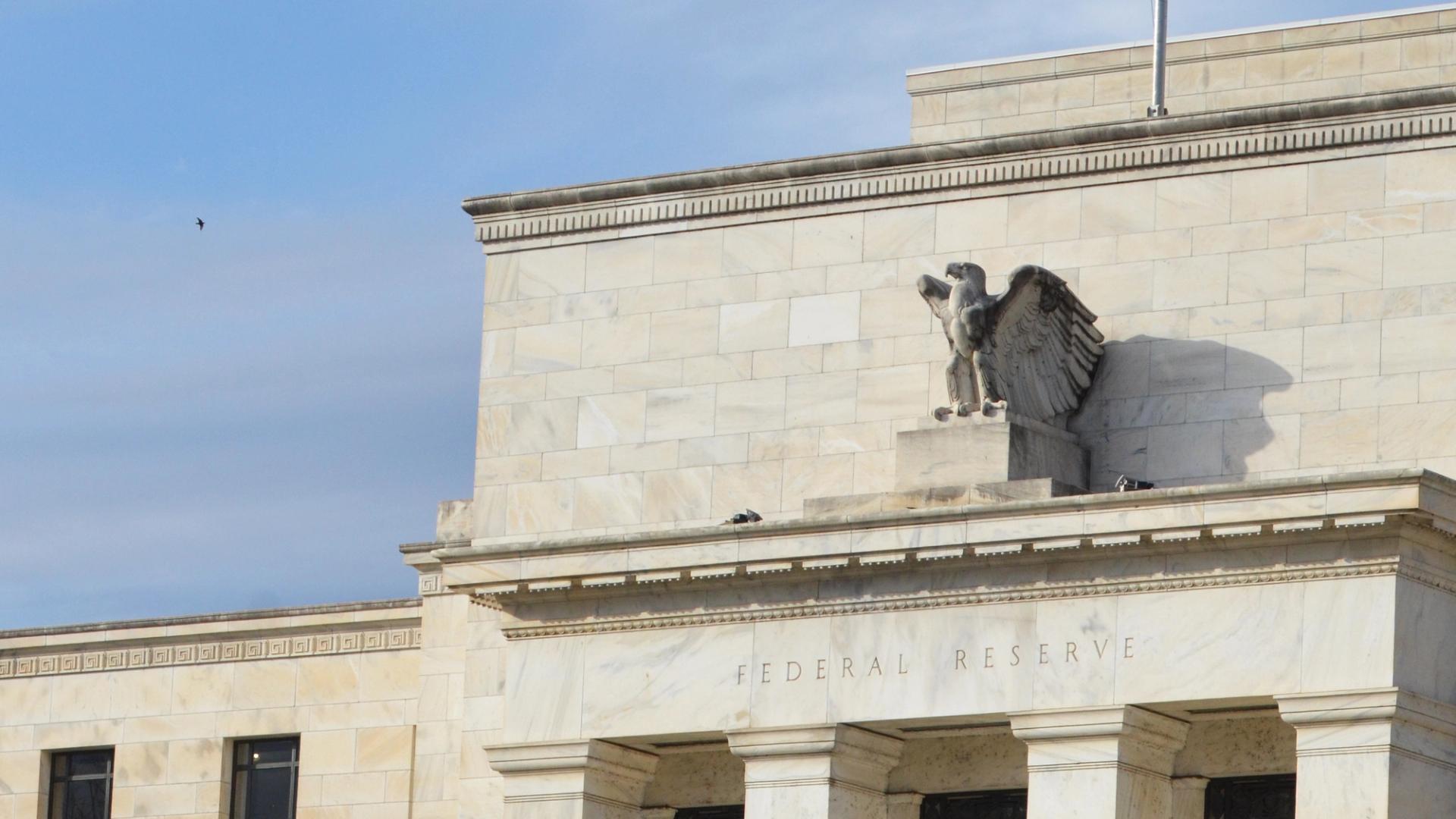
The landscape of digital currency is undergoing a significant transformation as U.S. regulatory bodies, including the Federal Reserve and the Treasury, have proposed a new rule aimed at establishing identification standards for stablecoin transactions. This initiative, part of the proposed GENIUS Act, seeks to enforce regulations akin to those that govern traditional banking sectors. As this proposal opens for public commentary, its implications on the crypto ecosystem merit thorough exploration.
Quick Take
| Aspect | Details |
|---|---|
| Regulatory Bodies | Federal Reserve, Treasury, other agencies |
| Proposed Rule | Customer-ID standards for stablecoin users |
| Objective | Align stablecoin regulations with banking norms |
| Public Involvement | Open for public comments |
Historical Context of Stablecoins
Stablecoins have emerged as a significant asset class within the cryptocurrency space, designed to maintain a stable value by pegging to traditional fiat currencies or other assets. This stability makes them attractive for various use cases, including remittances, trading, and as a value store. However, the rise of stablecoins has also raised concerns regarding regulatory compliance, particularly in relation to anti-money laundering (AML) and know your customer (KYC) regulations.
In 2021, following the boom of decentralized finance (DeFi) platforms, stablecoins played a pivotal role in providing liquidity. With this growth came increased scrutiny from regulators, leading to calls for clearer standards and guidelines. The 2023 proposal reflects an ongoing trend toward higher compliance and transparency in the crypto market, mirroring the stringent requirements placed on banks in the aftermath of the 2008 financial crisis.
Market Context
The current regulatory landscape for cryptocurrencies is characterized by a patchwork of state and federal policies. The introduction of customer-ID rules for stablecoins could signal a shift towards greater harmonization of regulations across the U.S. This proposed rule aligns with global trends where countries are looking to implement consistent frameworks for digital currencies.
- Regulatory Alignment: The potential adoption of banking-like standards for stablecoin transactions could create a more uniform regulatory environment. This can ease concerns from traditional financial actors, paving the way for greater institutional adoption of cryptocurrencies.
- Impact on DeFi: With the implementation of stricter identification requirements, decentralized finance platforms may face challenges in ensuring compliance without compromising their foundational values of privacy and anonymity.
- Investor Confidence: By establishing clear rules, regulatory bodies aim to enhance investor confidence. As stability and security are paramount in the crypto market, regulations could lead to increased participation from both retail and institutional investors.
Impact on Investors
The proposed stablecoin customer-ID rules come with both risks and opportunities for investors:
- Enhanced Security: Investors may benefit from the increased security measures that come with regulatory compliance, reducing the risk of fraud and enhancing the overall integrity of the system.
- Market Accessibility: More stringent regulations could lead to a more accessible market for institutional investors who have been hesitant due to regulatory uncertainties. This could result in increased liquidity and market growth.
- Potential Limitations: Conversely, the introduction of stringent KYC/AML measures may deter some users, particularly those valuing privacy. This could lead to a fragmentation of the market, where privacy-focused alternatives continue to thrive in more lenient jurisdictions.
Future Predictions
As the public commentary period unfolds, several outcomes can be anticipated:
- Adjustment of Standards: Feedback from the public and industry stakeholders may lead to adjustments in the proposed standards, balancing regulatory oversight and innovation in the crypto space.
- Global Influence: The U.S. regulatory framework could influence other nations' policies, potentially leading to a more globally coordinated approach to stablecoin regulation.
- Legal Precedents: This proposal may set legal precedents for how cryptocurrencies are treated under U.S. law, affecting future regulations across various crypto assets.
The proposed customer-ID rules represent a significant regulatory advancement in the stablecoin sector, further intertwining the realms of traditional finance and cryptocurrencies. As the public weighs in and the regulatory landscape evolves, investors and market participants should remain vigilant, adapting to changes that may redefine the contours of the digital asset ecosystem.
Conclusion
The introduction of stablecoin customer-ID rules by U.S. agencies marks a pivotal moment in the ongoing dialogue between innovation and regulation in the crypto space. As we move forward, the outcomes of this regulatory initiative will likely have lasting implications for the future of digital currencies, investor confidence, and the overall health of the cryptocurrency market.