 Go Back

Understanding the Current Regulatory Landscape
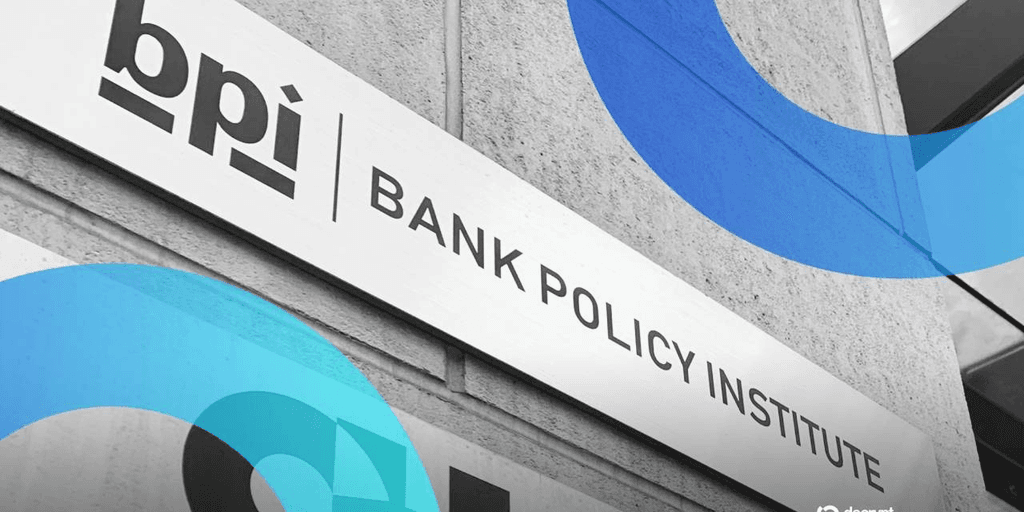
The landscape of cryptocurrency regulation continues to evolve, with banking industry trade groups urging that stablecoin rules should encapsulate secondary markets alongside primary issuance. This comes as a response to the growing concerns surrounding anti-money laundering (AML) practices and the risk these digital assets pose when trading in less regulated environments. Banks are advocating for a streamlined approach to regulation that emphasizes high-risk activities while simultaneously addressing the gaps that currently exist in the regulation of stablecoin secondary markets.
Quick Take
| Aspect | Details |
|---|---|
| Current Focus | AML rules for stablecoins |
| Major Stakeholders | Banking industry trade groups |
| Key Concerns | Secondary market regulation and risk exposure |
| Proposed Adjustments | Focus on higher-risk activities |
The Good: Enhanced Regulatory Framework
Stablecoins have emerged as a pivotal component of the cryptocurrency market, providing a bridge between traditional finance and the digital economy. Their stability and pegged nature allow users to transact without the volatility often seen in other cryptocurrencies like Bitcoin or Ethereum.
The push for enhanced regulation, particularly concerning secondary markets, could lead to a more secure environment for investors and users alike. By introducing comprehensive AML measures, the banking industry is advocating for transparency and accountability, which are imperative for the long-term acceptance and integration of stablecoins into the financial system.
Moreover, regulation can foster trust among institutional investors who have been hesitant to engage with the crypto market due to prevailing uncertainties. A well-defined regulatory framework could enhance liquidity, making it easier for traders and investors to engage in stablecoin transactions without fear of legal repercussions or financial loss.
The Bad: Risk of Overregulation
While the intention behind stronger regulations is commendable, there exists a tangible risk of overregulation. If the rules are too stringent, they may stifle innovation within the crypto space, particularly for projects focused on developing new stablecoin applications or services. Overregulation can hinder the growth of smaller players who may not have the resources to comply with extensive AML requirements.
This could lead to a scenario where only a few large entities dominate the stablecoin market, limiting competition and potential advancements that arise from diverse market participation. The challenge lies in striking a balance between ensuring safety and maintaining a vibrant ecosystem that encourages innovation.
The Ugly: Regulatory Lag and Market Reaction
Regulatory bodies often operate at a slower pace than the technology they seek to govern. As stablecoins gain traction and secondary markets flourish, the gap between regulatory action and market developments could lead to significant challenges.
Market participants may react to uncertainties surrounding regulation, resulting in increased volatility and fluctuations in stablecoin value. Furthermore, the absence of uniform regulations across different jurisdictions could create a fragmented market, where compliance becomes a burdensome task for international operations.
This situation could drive stablecoin projects to consider moving to more crypto-friendly jurisdictions, ultimately impacting the local economies of countries that fail to adapt to the evolving landscape.
Market Context: The Bigger Picture
The discussion surrounding stablecoin regulation is part of a broader conversation about the future of digital currencies in the global financial system. Central banks are exploring their own digital currencies, while private entities are developing solutions that may outpace traditional banking structures.
The increase in cryptocurrency adoption has coincided with a rise in illicit activities, such as money laundering and fraud. Hence, imposing AML regulations on stablecoins, particularly in secondary markets, is crucial to mitigating these risks. However, regulatory frameworks must be agile and capable of evolving alongside the technology to prevent stifling innovation.
Impact on Investors: Navigating New Terrain
For investors, the regulatory landscape can introduce both opportunities and challenges. As regulatory frameworks solidify, institutional investment in stablecoins may rise, leading to increased market depth and liquidity. However, investors must remain vigilant and adaptable in response to regulatory changes that could affect their holdings or the market dynamics.
In summary, the banking industry's call for comprehensive stablecoin regulation reflects a significant shift in how digital currencies are perceived and managed. Stakeholders must work collaboratively to ensure that the regulations are effective, fair, and conducive to innovation within the crypto market. By addressing high-risk activities while ensuring secondary markets are appropriately regulated, a balanced framework can be developed that protects consumers and encourages growth in this exciting sector.
Conclusion
The future of stablecoins and their regulation is uncertain, yet the dialogue initiated by banks highlights the need for a proactive approach to safeguard the industry while fostering a healthy environment for growth. As we move forward, the challenge will be to establish rules that protect against abuse without discouraging the innovation that has made the cryptocurrency space so dynamic.