 Go Back

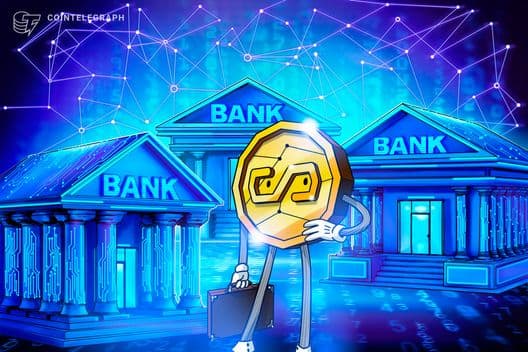
Stablecoins: No Immediate Threat to Banking Sector, Says Moody's
Stablecoins have gained significant traction in the cryptocurrency ecosystem, often hailed as a bridge between traditional finance and digital assets. However, recent insights from a Moody's analyst suggest that, at least in the short term, stablecoins are not a significant threat to the traditional banking sector. This blog delves into the implications of this stance, exploring the macroeconomic context and long-term analysis of stablecoins within the financial landscape.
Quick Take
| Key Insights | Details |
|---|---|
| Analyst | Moody's |
| Stablecoin Impact | Limited on banks in the near term |
| Regulatory Environment | Prohibition on yield-bearing stablecoins in the US |
| Market Infrastructure | Robust payments infrastructure in place |
| Long-term Outlook | Speculative; potential for evolution in financial services |
Market Context
To understand the implications of stablecoins on the banking sector, it’s essential to consider the current market context. Stablecoins are digital currencies pegged to reserve assets, usually fiat currencies like the US dollar, which provides them with a relatively stable value. Their growth in popularity has been fueled by the desire for efficiency and speed in transactions, particularly in cross-border payments.
However, Moody's recent analysis highlights a critical point: the prohibition of yield-bearing stablecoins in the United States is a key factor mitigating the potential impact of stablecoins on banks. Yield-bearing stablecoins, which offer interest rates on deposits similar to traditional savings accounts, could have redirected significant capital away from banks by providing consumers and businesses with attractive alternatives.
The robust payments infrastructure currently established in the U.S. is another crucial element. Banks have heavily invested in technology to streamline payments and enhance customer service, which diminishes the urgency for consumers to adopt stablecoins as a replacement for traditional banking solutions. Thus, while stablecoins have the potential to innovate financial transactions, they face significant barriers in displacing established banking systems in the immediate future.
Impact on Investors
Short-Term Perspective
For investors, the short-term implications of Moody’s analysis seem clear: stablecoins, while an intriguing investment opportunity, are unlikely to disrupt traditional banking operations soon. This perspective may lower the urgency for investors to diversify heavily into stablecoins at this stage.
Long-Term Considerations
However, the long-term view presents a more nuanced picture. The landscape of finance is ever-evolving, and while traditional banks may not feel immediate pressure, the potential for stablecoins to reshape financial services remains. Factors to consider include:
- Regulatory Changes: As governments and regulatory bodies continue to adapt to the growth of cryptocurrencies, changes in policies could either facilitate or hinder the growth of stablecoins.
- Technological Innovations: Advancements in blockchain technology and smart contracts could enhance the utility of stablecoins, making them more attractive for consumers and businesses alike.
- Consumer Behavior: As younger generations grow increasingly comfortable with digital assets, there may be a natural shift towards using stablecoins for everyday transactions, especially if they perceive value in the features offered over traditional banking products.
Risk Factors
Investors must also weigh the risks associated with stablecoins, including:
- Regulatory Scrutiny: Increased regulation could impose restrictions or lead to a decline in the stability of certain stablecoins.
- Market Volatility: Despite their stable nature, the broader cryptocurrency market can be volatile, affecting the overall sentiment towards stablecoins.
- Competition from Traditional Banks: Banks are not standing still; they are innovating and may introduce their own digital currencies or enhanced services that could outpace stablecoins.
Looking Ahead
While Moody's assessment suggests that stablecoins do not currently pose a threat to the banking sector, the landscape is undoubtedly dynamic, and shifts can occur rapidly. Stakeholders in the financial markets, from investors to regulators, will need to monitor developments closely. The evolution of stablecoins could either complement or challenge traditional banking frameworks as the demand for digital assets grows.
In summary, while the immediate threat may be limited, the long-term implications of stablecoins could be significant, warranting attention and strategic planning from all involved in the financial ecosystem. The ongoing dialogue about regulatory frameworks, technological advancements, and changing consumer behaviors will be crucial in shaping the future of both stablecoins and the banking sector.
Conclusion
In light of Moody's analysis, stablecoins remain a fascinating subject within the macroeconomic landscape. As the world becomes more interconnected and technology-driven, the future holds potential for innovation that may reshape the traditional banking sector significantly, albeit over a more extended timeframe. Understanding these dynamics is essential for investors and institutions looking to navigate the evolving financial ecosystem.