 Go Back

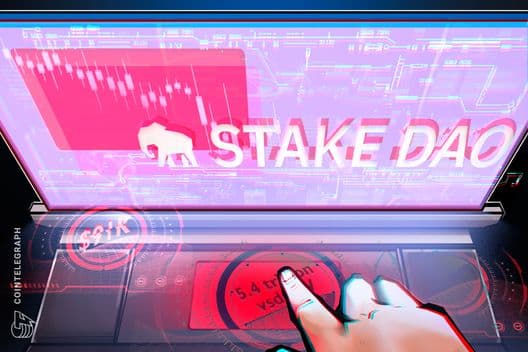
StakeDAO Exploit: A $91K Breach in the Crypto Ecosystem
The recent exploit of StakeDAO, which resulted in the creation of a staggering 5.4 trillion vsdCRV tokens, has sent ripples through the DeFi community. The attacker managed to bridge 43.7 ETH to Ethereum but only realized a profit of $91,000, raising critical questions about the security protocols in DeFi protocols and the overall market resilience.

Quick Take
| Aspect | Details |
|---|---|
| Total Tokens Minted | 5.4 trillion vsdCRV |
| ETH Bridged | 43.7 ETH |
| Profit from Attack | $91,000 |
| Liquidity Status | Insufficient liquidity for remaining tokens |
The Good, The Bad, and The Ugly
The Good
The StakeDAO incident highlights the growing awareness of security vulnerabilities within the DeFi sector. As exploits become more frequent, projects are increasingly motivated to enhance their security measures. This could lead to an overall increase in trust and stability within the ecosystem, provided that teams invest in robust security audits and community reporting mechanisms. Additionally, the incident may encourage users to demand greater transparency regarding tokenomics and liquidity measures from DeFi protocols.
The Bad
However, the implications of this exploit extend beyond just a security lapse. The creation of 5.4 trillion vsdCRV tokens raises significant concerns about inflation and the potential devaluation of tokens in circulation. The incident shows how easy it can be for malicious actors to manipulate token supply, which could erode investor confidence and disrupt market dynamics. Moreover, the fact that the attacker managed to realize only $91,000 despite minting trillions of tokens points to a fundamental liquidity issue within the system, suggesting that many DeFi projects are still grappling with how to maintain healthy liquidity pools.
The Ugly
The ugly truth lies in the broader implications of this attack for the DeFi landscape. Given the rapid rise of decentralized finance, incidents like this could lead to increased regulatory scrutiny. Governments may feel pressured to intervene to protect investors, which could stifle innovation and lead to a chilling effect on new projects. Furthermore, as more hacks and exploits are reported, we may see a divergence in investor behavior, with a growing tendency to avoid newer, less-established tokens in favor of larger, more recognized projects.
Market Context
The DeFi sector has witnessed explosive growth in recent years, with total value locked reaching billions of dollars. However, with this growth comes an inherent risk associated with unregulated financial products. The StakeDAO incident is not an isolated event; it serves as a reminder of the vulnerabilities that plague this rapidly evolving market. The intersection of DeFi with macroeconomic factors, such as inflation and shifting regulatory frameworks, creates a complex environment where investor confidence can be easily swayed.
In the current economic climate, characterized by high inflation rates and tightening monetary policy, investor sentiment is fragile. This exploit could exacerbate existing fears about the stability of DeFi protocols, leading to a potential retreat from riskier assets. As the market reacts to such incidents, we may see a short-term decline in DeFi participation, making it imperative for projects to not only address security but also improve education on risk management for their users.
Impact on Investors
For investors, the StakeDAO exploit serves as a cautionary tale. The $91,000 profit realized by the attacker, juxtaposed with the trillions of tokens minted, highlights the necessity of due diligence before engaging with any DeFi project. Investors need to assess the tokenomics and security measures in place before committing their capital. A deep understanding of how liquidity works within DeFi can also safeguard against potential losses in the future.
Key Takeaways for Investors:
- Conduct Thorough Research: Always investigate the security features and audit history of DeFi projects before investing.
- Understand Liquidity Dynamics: Familiarize yourself with how liquidity pools operate and the implications of token supply.
- Stay Informed: Keep abreast of market movements and incidents to make timely decisions.
As we look toward the future, the StakeDAO exploit could serve as a pivotal moment for the DeFi sector. By leading to improved security standards and investor awareness, it might ultimately strengthen the ecosystem in the long run. However, this will depend on how quickly projects respond to these vulnerabilities and the regulatory landscape that emerges in response to such incidents.
Conclusion
While the StakeDAO incident has highlighted several flaws within the DeFi landscape, it also presents an opportunity for growth and improvement. As both developers and investors learn from these experiences, the future of DeFi may well be shaped by the lessons learned during times of crisis.