 Go Back

Stanley Druckenmiller's Vision: The Future of Stablecoins
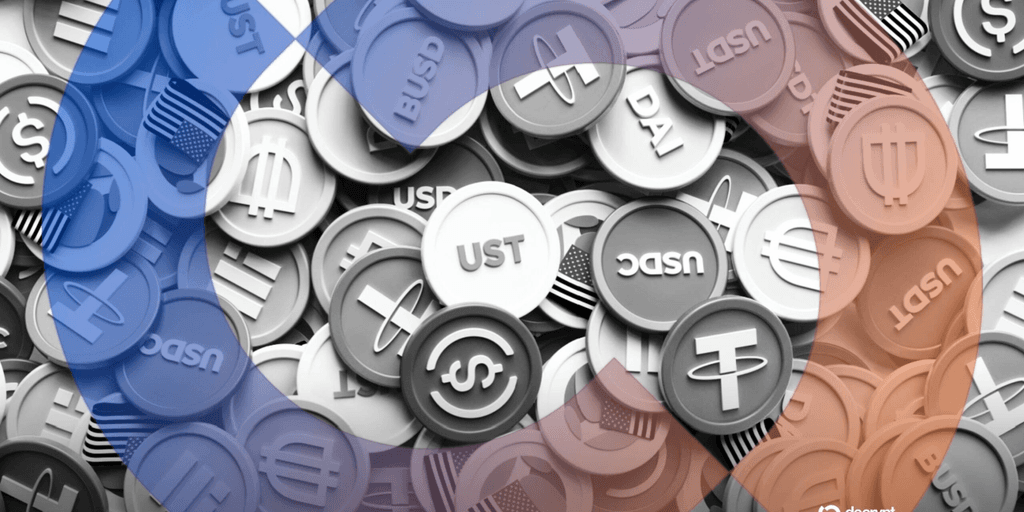
Former hedge fund manager Stanley Druckenmiller has made waves in the financial world by expressing his bullish perspective on the future of stablecoins. According to Druckenmiller, these digital assets are poised to become a fundamental part of payment systems within the next 10 to 15 years, a forecast that could reshape the entire landscape of finance.
Quick Take
| Aspect | Details |
|---|---|
| Who | Stanley Druckenmiller, billionaire investor and former hedge fund manager |
| What | Bullish on stablecoins as the future of payment systems |
| Time Frame | 10-15 years |
| Impact | Potential transformation of traditional payment systems and financial transactions |
Understanding Stablecoins
Stablecoins are digital currencies that maintain a stable value by pegging them to a reserve of assets, typically fiat currencies like the US Dollar. They have gained traction in the cryptocurrency space for their ability to minimize volatility, which has historically been a major barrier for cryptocurrencies like Bitcoin and Ethereum in everyday transactions.
Market Context
The rapid evolution of the financial landscape has been driven by several global macroeconomic factors, including rising inflation, low interest rates, and increased digital adoption. With the advent of central bank digital currencies (CBDCs) and the growing acceptance of cryptocurrencies, stablecoins find themselves at the intersection of these trends. Druckenmiller's optimistic outlook reflects a broader shift in how financial systems are being reimagined.
- Adoption by Institutions: Major financial institutions are beginning to embrace stablecoins in their operations. For example, companies like PayPal and Square have integrated cryptocurrency services, allowing users to transact with stablecoins.
- Regulatory Environment: Governments are becoming more amenable to cryptocurrencies, with many exploring regulations to create a safer ecosystem. This regulatory clarity can pave the way for stablecoins to flourish as a compliant alternative to traditional currencies.
- Technological Advancements: Innovations in blockchain technology enhance the security and efficiency of stablecoin transactions, making them more attractive for everyday use.
SWOT Analysis of Stablecoins
Strengths
- Stability: The primary advantage is their value peg to stable assets, mitigating volatility risks.
- Liquidity: Stablecoins are highly liquid compared to traditional currencies, enabling quick transactions.
- Cross-Border Transactions: They offer a cost-effective alternative for international payments, bypassing traditional banking fees.
Weaknesses
- Regulatory Scrutiny: Ongoing regulatory debates may hinder stablecoin adoption or lead to stricter regulations.
- Dependency on Fiat: The reliance on fiat currencies can be a double-edged sword, as it ties their value to the stability of those currencies.
Opportunities
- Integration with DeFi: Stablecoins are crucial for decentralized finance applications, enabling lending, borrowing, and yield farming.
- Financial Inclusion: They can play a vital role in providing financial services to unbanked populations around the globe.
Threats
- Competition from CBDCs: Central banks introducing their digital currencies could overshadow the stablecoin market.
- Technological Risks: Security breaches and technological failures can undermine user trust and adoption.
Impact on Investors
Druckenmiller's bullish stance on stablecoins indicates potential investment opportunities for both individual and institutional investors. As stablecoins gain traction, they may present a safer entry point into the cryptocurrency market for risk-averse investors. Additionally, as the market matures and more financial products are built around stablecoins, investors could see increased liquidity and more options for managing their cryptocurrency portfolios.
- Diversified Investment Strategies: Investors can include stablecoins in their portfolios as a hedge against market volatility in the broader cryptocurrency market.
- Yield Generation: Many DeFi platforms offer interest on stablecoin deposits, providing a passive income stream that traditional savings accounts can’t match.
- Market Sentiment: Positive endorsements from influential figures like Druckenmiller can boost market confidence, possibly leading to increased investments in stablecoins.
Conclusion
In the coming decade, stablecoins are poised to become a cornerstone of the payment ecosystem, potentially revolutionizing how transactions are conducted globally. As illustrated by Stanley Druckenmiller's insights, the momentum behind stablecoins is undeniable, and their integration into the financial fabric could redefine investment strategies and payment systems alike. Investors should keep a close eye on the developments surrounding stablecoins as they navigate this evolving landscape.