 Go Back


Quick Take
| Topic | Details |
|---|---|
| Launch Date | Recent |
| Institution | State Street |
| Fund Type | Money Market Fund aligned with GENIUS Act |
| Market Focus | Dollar-pegged stablecoin reserves |
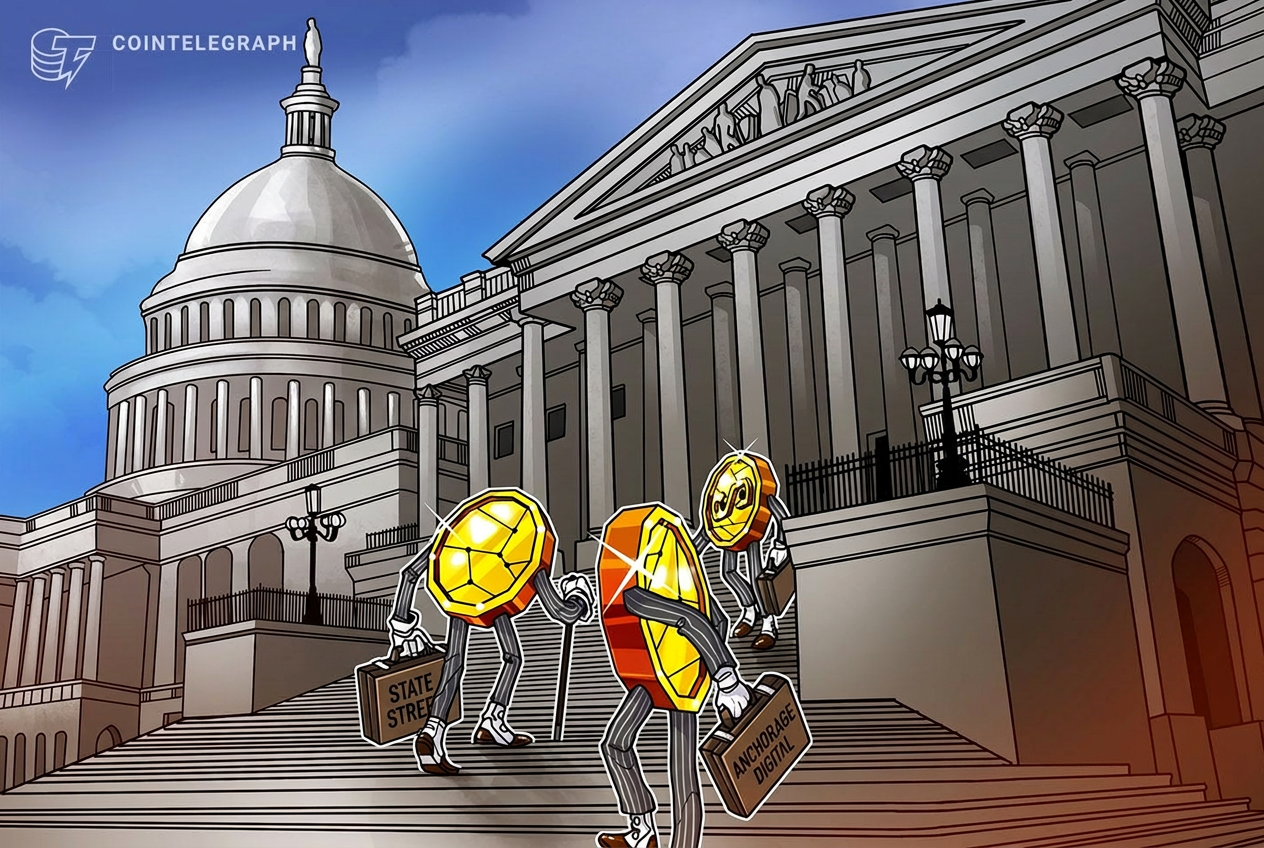
State Street, a prominent player in the global financial services sector, has recently launched a money market fund aimed at managing dollar-pegged stablecoin reserves. This move is indicative of a growing trend where financial institutions are competing to offer innovative solutions that cater to the needs of stablecoin markets. The implications of this fund reach far beyond mere asset management; they signal a significant shift in the intersection of traditional finance and the burgeoning cryptocurrency landscape.
Market Context
To appreciate the significance of State Street's new fund, it's essential to contextualize the current state of the stablecoin market. As of late 2023, stablecoins have emerged as critical components in the cryptocurrency ecosystem, often serving as a bridge between fiat and digital currencies. Market leaders like Tether (USDT) and USD Coin (USDC) dominate the landscape, but the influx of new entrants and the evolving regulatory environment are reshaping the competitive dynamics.
The demand for stablecoins is driven by the need for liquidity and stability in a volatile market. Investors and institutions often turn to stablecoins to hedge against fluctuations in value, making them vital for trading, remittances, and decentralized finance (DeFi) applications. With the recent regulatory scrutiny in the cryptocurrency space, financial institutions that can offer compliant, efficient solutions for managing stablecoin reserves will likely gain a competitive advantage.
SWOT Analysis
Strengths
- Institutional Trust: State Street's reputation lends credibility to the management of stablecoin reserves.
- Regulatory Compliance: The fund is aligned with the GENIUS Act, ensuring adherence to evolving regulations.
- Liquidity Management: Money market funds offer a reliable mechanism for liquidity, essential for stablecoin stability.
Weaknesses
- Market Dependence: The fund's success is closely tied to the performance and acceptance of stablecoins.
- Regulatory Risks: Rapid changes in regulations could impact fund operations and investor confidence.
Opportunities
- Growing Demand: With increasing interest in cryptocurrencies, there is significant room for growth in the stablecoin sector.
- Innovative Financial Products: Developing new financial instruments around stablecoins can diversify offerings and attract more investors.
Threats
- Intense Competition: Other financial institutions are likely to enter this space, driving down margins.
- Market Volatility: Sudden shifts in the cryptocurrency market could adversely affect stablecoin values and investor sentiment.
Impact on Investors
The launch of State Street's money market fund could have far-reaching implications for investors. For those already invested in stablecoins, this development might enhance the security and credibility of their assets. The fund's alignment with the GENIUS Act demonstrates a proactive approach to navigating the regulatory landscape, which could alleviate some concerns regarding the compliance of stablecoins.
Moreover, this fund may attract institutional investors who have been wary of entering the cryptocurrency space due to regulatory uncertainties. As more traditional financial institutions adopt cryptocurrency-adjacent products, the overall market could see increased maturity and stability, making it more attractive for both retail and institutional investors alike.
Conclusion
In essence, State Street's initiative to launch a money market fund for stablecoin reserves is a strategic move that could redefine the relationship between traditional finance and the cryptocurrency market. As the demand for stablecoins continues to grow, financial institutions that innovate while adhering to regulatory frameworks will likely emerge as leaders in this evolving landscape. Investors should keep a close eye on how this development unfolds and its potential impact on the broader financial ecosystem.