 Go Back

Stitch's AI Design Revolution: Implications for the Future
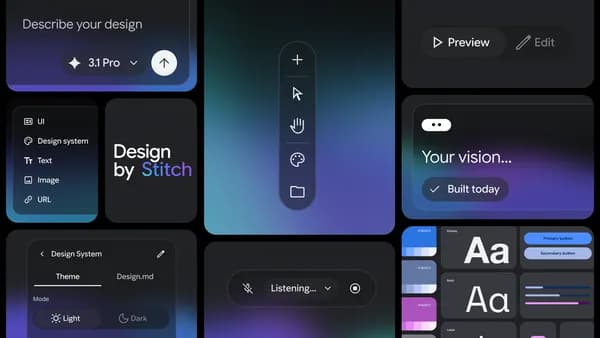
The landscape of user interface (UI) design is undergoing a significant transformation with the introduction of Stitch, an AI-native platform that simplifies and enhances the design process. By allowing anyone to create, iterate, and collaborate on high-fidelity UI, Stitch embodies a pivotal shift towards democratizing design through artificial intelligence. 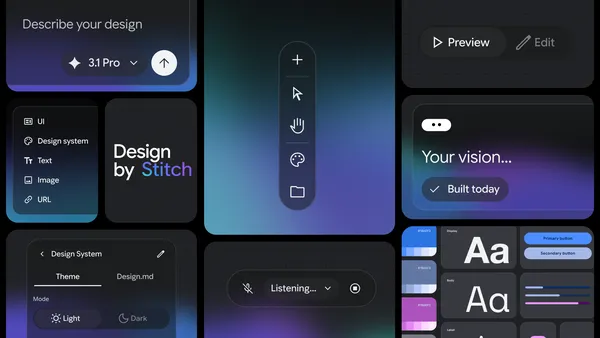
Quick Take
| Aspect | Details |
|---|---|
| Platform | Stitch |
| Focus | AI-native UI design |
| Features | Create, iterate, collaborate on high-fidelity UI |
| Impact | Democratizes design, enhances efficiency, and supports innovation |
The Good
Democratization of Design
One of the most promising aspects of Stitch is its potential to democratize the design process. Traditionally, UI design has required a specific set of skills and tools that are not accessible to everyone. With Stitch, individuals without formal design training can create sophisticated user interfaces, opening the door for a new wave of creators and innovators. This accessibility is pivotal in a world increasingly reliant on technology and digital experiences.
Enhanced Collaboration
Collaboration is another key feature of the Stitch platform. By enabling teams to work together in real time, Stitch can streamline the design process, reduce the time to market, and foster creativity. This collaborative environment is vital as businesses strive to innovate faster and respond to changing consumer demands.
Increased Efficiency
Stitch employs AI to assist in UI design, which can significantly enhance the efficiency of the design process. Automation of repetitive tasks allows designers to focus on more strategic elements of their work, which can lead to higher quality outputs and reduced design cycles. The ability to iterate designs quickly means businesses can test and refine their products with unprecedented speed.
The Bad
Overreliance on AI
While the benefits of Stitch’s AI capabilities are undeniable, there is a risk of overreliance on these technologies. As AI-generated design becomes more prevalent, there may be concerns about the loss of human touch in creative endeavors. The unique perspectives and emotional insights that human designers bring to their work are irreplaceable components of the design process.
Quality Control Issues
AI’s role in design also raises questions about quality control. While Stitch aims to produce high-fidelity UI, the quality of its output is dependent on the data it has been trained on. Poor training data or biases can lead to subpar designs that do not accurately represent the needs or preferences of diverse user groups.
The Ugly
Market Saturation
As more companies adopt AI-driven design tools like Stitch, there is a risk of market saturation. If everyone is using similar tools to create their interfaces, distinguishing one’s product becomes challenging. This could lead to a homogenization of user experiences, potentially stifling creativity and innovation in the long run.
Economic Disruption
The rise of AI in design heralds a broader economic shift. Traditional design jobs may be at risk, leading to job displacement in some sectors. As the demand for skilled designers decreases, industries must adapt to this new landscape. This disruption could have far-reaching implications for the labor market and require significant retraining efforts for affected workers.
Market Context
Stitch's introduction comes at a time when the global economy is increasingly reliant on digital products and services. The COVID-19 pandemic accelerated the adoption of technology across various sectors, and the need for effective UI design has never been more critical. As businesses pivot to enhance their online presence, platforms like Stitch that offer innovative design solutions are poised for rapid growth.
Investment Opportunities
Investors should take note of the expanding AI design sector. Companies that can harness the power of AI to improve efficiency, reduce costs, and enhance user experiences will likely attract significant investment. Moreover, as the global economy shifts towards technology-centric solutions, the value of companies that adapt to these changes will increase.
Impact on Investors
Investing in AI-driven platforms like Stitch presents opportunities and risks. On one hand, those who understand the potential of AI to transform industries can position themselves for significant returns. On the other hand, they must be aware of the volatility and competitive landscape that comes with emerging technologies. As the market matures, investors need to stay informed about trends and shifts in consumer behavior to make strategic decisions.
In summary, Stitch’s evolution into an AI-native design platform represents a significant milestone in the world of UI design. While it offers numerous advantages, there are also challenges and risks that must be navigated. By understanding the broader economic context and the implications for the industry, investors can better position themselves for future success.