 Go Back

Taylor Swift's Trademark Moves: A Shield Against AI Fakes
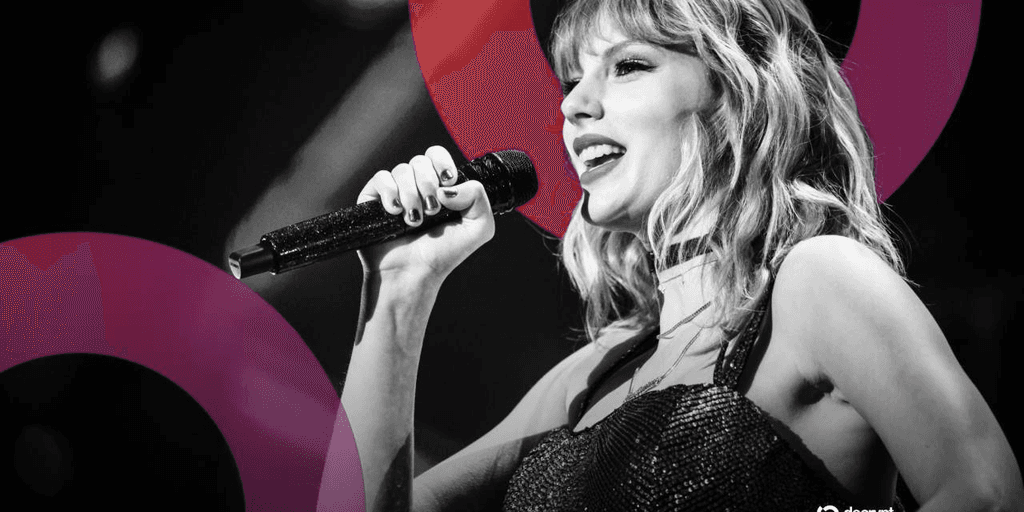
In a bold move that highlights the increasing intersection of technology and intellectual property, Taylor Swift has filed trademark applications aimed at protecting her voice and image from the rising threat of AI-generated deepfakes. As AI technology evolves, the music and entertainment industries face unprecedented challenges in controlling how an artist's likeness and voice can be manipulated and disseminated. This situation underscores a broader trend in the creative world where the line between genuine artistry and artificial reproduction blurs.
Quick Take
| Key Point | Details |
|---|---|
| Trademark Application Focus | Voice and image protection against AI deepfakes |
| Significance | Sets precedent for artist rights in the digital era |
| Broader Context | Reflection of evolving technology’s impact on creativity |
| Potential Industry Impact | Changes in how artists manage their personas |
| Future of AI and Art | Ongoing dialogue on ethics and legality of AI use |
The Rise of AI and Deepfakes
The emergence of AI technologies has revolutionized numerous sectors, including entertainment. Deepfake technology, which uses machine learning to create hyper-realistic fake media, poses significant risks to celebrities and public figures. Swift's proactive measures highlight the urgent need for artists to secure their identities and intellectual property in an increasingly digital world.
Historically, the entertainment industry has dealt with issues of copyright and image rights, but the rise of AI has introduced complex challenges that traditional legal frameworks are often ill-equipped to handle. Swift's initiative could set a precedent, encouraging more artists to seek legal protections as a safeguard against misuse of their likenesses and voices.
Market Context
The market for AI-generated content is expanding rapidly. As tools for creating deepfakes become more accessible and sophisticated, the risk of unauthorized reproductions of artists’ work increases. Notably, the music industry is witnessing a surge in demand for virtual concerts and AI-generated performances. This evolution raises questions about authenticity and ownership.
With platforms leveraging AI to generate content, the potential for misuse escalates. Artists like Swift, who have cultivated a distinct personal brand, stand to lose significant value if deepfake technology is allowed to proliferate unchecked. By filing these trademark applications, Swift not only protects herself but also raises awareness in the industry regarding the importance of safeguarding one's brand and artistry.
Impact on Investors
For investors and stakeholders in the entertainment industry, this shift toward trademarking and protecting digital identities signals a critical evolution in asset management. As public figures like Swift take steps to protect their intellectual property, there's a growing recognition of the financial implications tied to digital likenesses and voices. This could lead to the development of new financial products and services aimed at safeguarding digital assets.
Investors should remain vigilant about emerging trends in AI and intellectual property rights. The more artists advocate for protection against AI-generated content, the more momentum there could be for legislative changes. These changes might create new markets for identity protection and specialized legal services, presenting lucrative opportunities for investors willing to navigate this complex landscape.
Future Implications
As the landscape of digital creation continues to evolve, the response from artists and industry stakeholders is crucial. Swift’s actions may inspire other artists to consider similar protections, ultimately shaping the future of how digital content is created and consumed. It raises an essential dialogue about ethics in AI, the rights of creators, and the legal frameworks necessary to protect intellectual property in the digital age.
In conclusion, Taylor Swift’s trademark applications against AI deepfakes are more than just a personal safeguard; they reflect a larger movement within the entertainment industry aimed at confronting the challenges posed by artificial intelligence. The implications of her actions extend beyond her career, potentially reshaping the future of artist rights, investor strategies, and the ethical considerations of AI in creative industries.
As we continue to explore the impact of AI on creativity, Swift's case will likely be cited in discussions surrounding the protection of individual artists and their work against the tide of technological advancement.