 Go Back


TeraWulf's $19 Billion AI Data Center Deal: A Shift in Mining Strategy
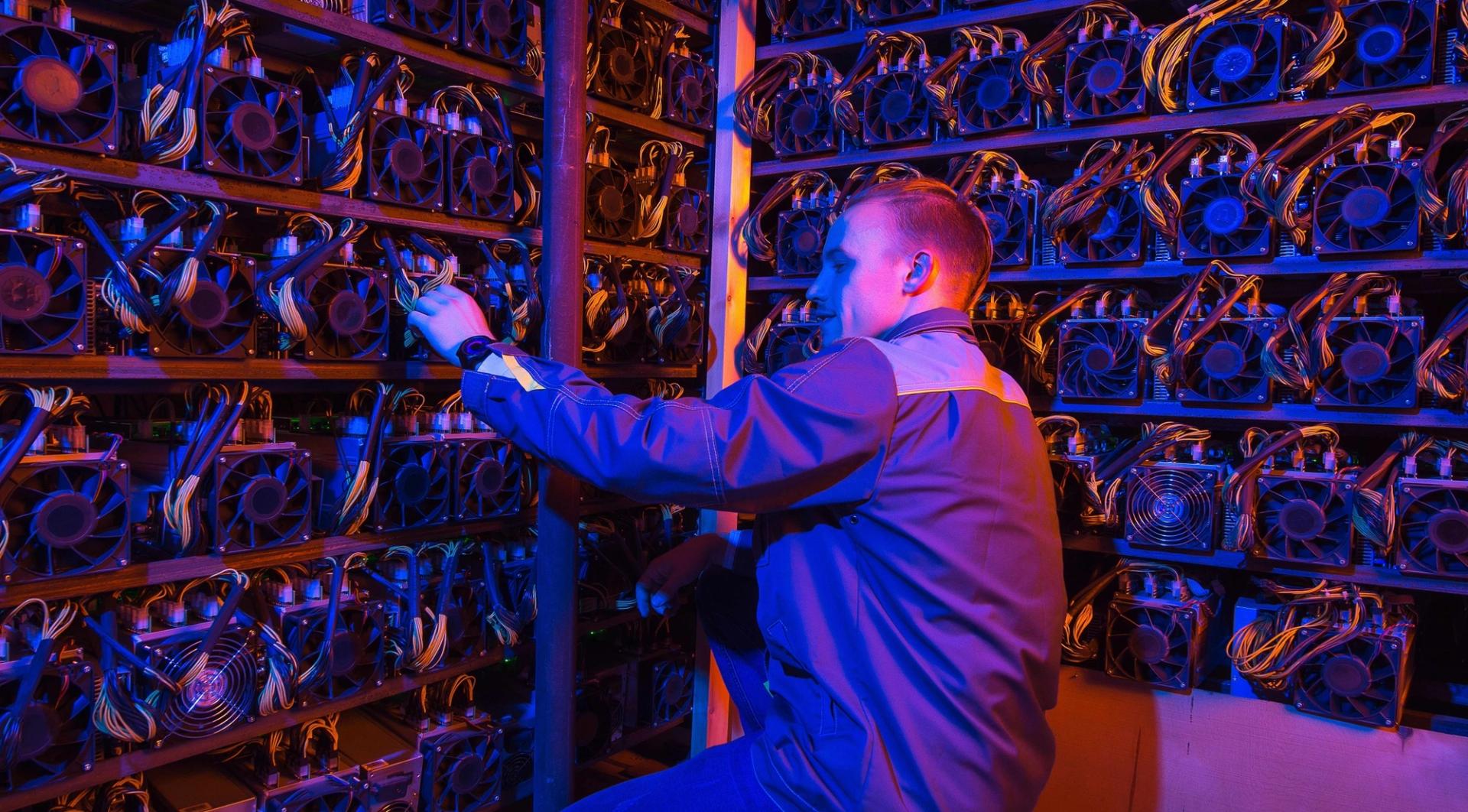
In a remarkable turn of events, TeraWulf, a company initially focused solely on Bitcoin mining, has entered into a groundbreaking 20-year agreement with AI firm Anthropic to operate a $19 billion AI data center in Kentucky. This significant pivot away from crypto mining towards artificial intelligence infrastructure represents a broader trend in the industry, raising questions about the future of cryptocurrency mining and the viability of traditional revenue streams.
Quick Take
| Event | Details |
|---|---|
| Company | TeraWulf |
| Partnership | Anthropic |
| Deal Value | $19 billion |
| Duration | 20 years |
| Location | Kentucky |
| Shift in Focus | From Bitcoin mining to AI infrastructure |
Market Context
To understand the significance of TeraWulf's decision, it is essential to analyze the current macroeconomic landscape affecting both the cryptocurrency and artificial intelligence sectors. Bitcoin mining has faced numerous challenges in recent years, from regulatory scrutiny to increasing energy costs. The shift in focus to AI infrastructure is not merely a coincidence but a strategic response to these mounting pressures.
Bitcoin has historically been a volatile asset, heavily influenced by factors such as government regulations, market sentiment, and technological advancements. In contrast, the AI sector has shown signs of robust growth, with increasing demand for cloud computing and data processing capabilities. Companies like Anthropic are at the forefront of this evolution, creating AI models that require extensive computational resources.
TeraWulf's pivot reflects a broader trend among crypto companies to diversify their revenue streams. As the profitability of Bitcoin mining becomes more uncertain due to fluctuating prices and increased competition, many firms are looking to tap into the steady income generated from AI services. This trend could signal a long-term shift in the balance of power between cryptocurrency mining and AI infrastructure.
SWOT Analysis
Strengths
- Diversified Revenue: By entering the AI space, TeraWulf can hedge against the risks associated with Bitcoin mining.
- Long-term Contract: A 20-year agreement ensures stable revenue and long-term planning for the company.
- Strategic Location: Kentucky offers favorable regulations and lower energy costs, essential for both AI operations and Bitcoin mining.
Weaknesses
- Dependency on AI Growth: TeraWulf's success will heavily rely on the future growth of AI, which could face its own set of challenges.
- Reputation Shift: Transitioning from a Bitcoin miner to AI infrastructure provider may alienate some existing cryptocurrency stakeholders.
Opportunities
- Expanding Market: The AI industry is expected to grow exponentially, providing ample opportunities for revenue generation.
- Partnership Synergies: Collaborating with a leading AI company like Anthropic could lead to further innovations and products.
Threats
- Regulatory Risks: Both AI and cryptocurrency sectors are under the microscope for regulatory scrutiny, which could impact business operations.
- Market Competition: Increased competition in the AI infrastructure space could drive down profit margins in the future.
Impact on Investors
For investors, TeraWulf's strategic pivot presents a dual-edged sword. On one hand, the move could lead to enhanced stability and growth through diversified revenue streams. AI is poised to become a crucial component of the global economy, and TeraWulf's partnership with Anthropic places it in a prime position to capitalize on this trend. The long-term contract guarantees revenue stability, which is particularly appealing in an environment where Bitcoin's value can be volatile.
Conversely, investors should remain cautious. The success of TeraWulf's new venture will depend heavily on the performance of the AI market and its ability to adapt to this new paradigm. The transition from crypto mining to AI infrastructure could lead to volatility in TeraWulf's stock as the market gauges the effectiveness of this strategic shift.
Conclusion
TeraWulf's $19 billion data center lease with Anthropic represents a significant pivot in its business model, reflecting a broader trend within the crypto industry to adapt in the face of changing market dynamics. As more companies turn to AI for growth opportunities, the implications for both cryptocurrency and DeFi ecosystems will be profound. Investors and stakeholders must keep a close eye on this transition, as it may shape the future landscape of both sectors in the years to come.