 Go Back

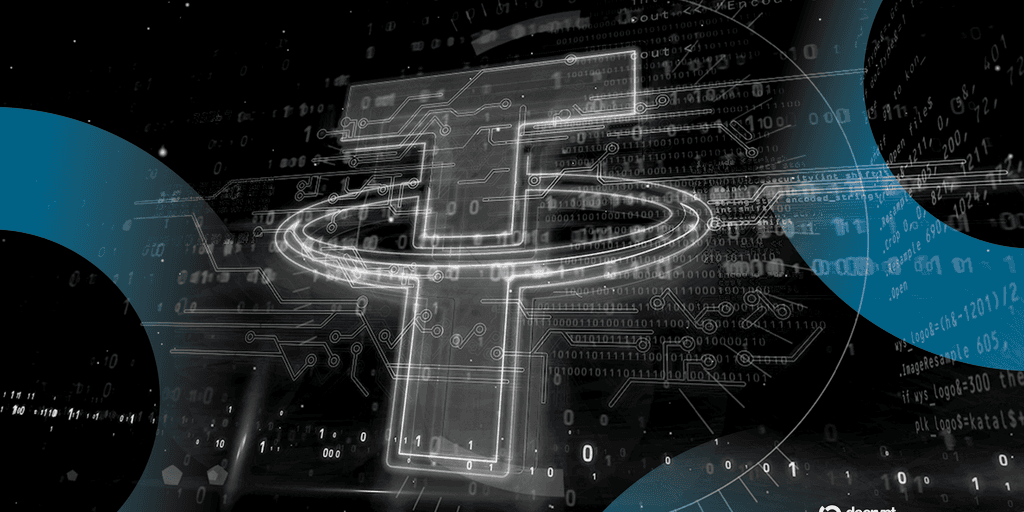
Tether's USAT Stablecoin Expansion: Implications for the Crypto Market
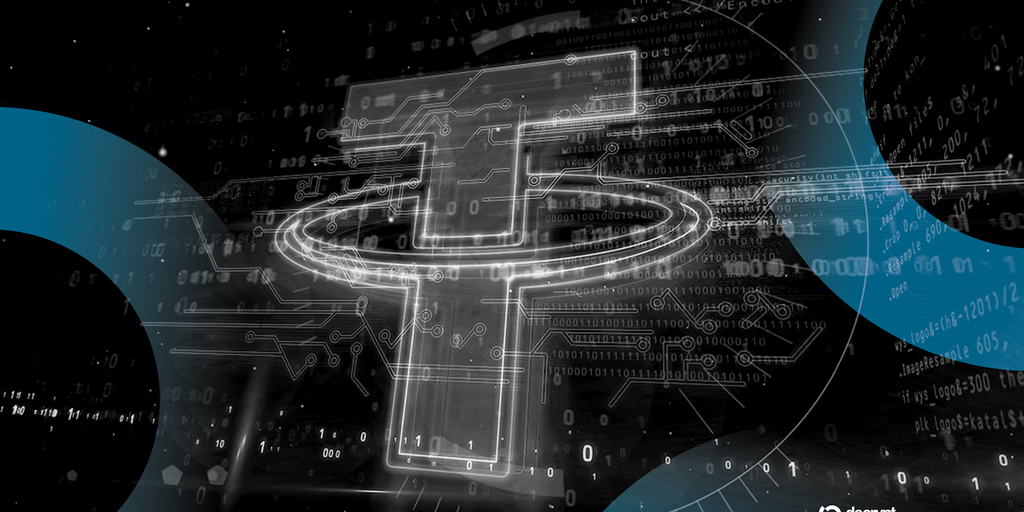
In a significant move for the cryptocurrency landscape, Tether has announced the expansion of its USAT stablecoin to Ethereum's layer-2 network, Celo, aided by the technological capabilities of Google Cloud. This development is not only pivotal for Tether but also serves as a lens through which we can analyze the current macroeconomic context and the future potential of digital currencies.
Quick Take
| Event | Details |
|---|---|
| Stablecoin | Tether's USAT |
| New Network | Celo (Ethereum Layer-2) |
| Technology Partner | Google Cloud |
| Market Implication | Enhanced accessibility and reliability for users |
| Investor Insight | Potentially increased adoption in the U.S. market |
Market Context
The expansion of Tether's USAT stablecoin comes at a time when regulatory scrutiny around stablecoins is increasing across the globe. Regulatory bodies are aiming to ensure these digital assets comply with financial laws, particularly in the United States. The USAT stablecoin was specifically designed for the U.S. market, indicating Tether's commitment to addressing compliance and usability concerns that have historically surrounded digital currencies.
Stablecoins have gained traction as a bridge between traditional finance and the cryptocurrency decentralized finance (DeFi) ecosystem. The integration of USAT into Celo's layer-2 network represents a strategic move to enhance transaction speeds and reduce costs associated with Ethereum's mainnet, which has historically faced congestion and high gas fees. By utilizing Celo, Tether not only aims to optimize performance but also expands its user base by tapping into more environmentally friendly and scalable blockchain solutions.
The Layer-2 Advantage
Layer-2 solutions like Celo are becoming increasingly popular due to their ability to facilitate faster transactions and lower fees compared to their layer-1 counterparts. As Ethereum continues to evolve, with scaling solutions being a primary focus, partnerships like the one between Tether and Celo could pave the way for other stablecoins to follow suit. This is crucial as users and developers alike look for more efficient platforms to build and transact within the crypto ecosystem.
Impact on Investors
Increased Adoption Potential
With Tether's USAT now accessible via Celo, the potential for increased adoption seems promising. Investors interested in stablecoins may find USAT to be an attractive option, especially given Tether's established reputation in the market combined with the reduced transaction costs offered by Celo's infrastructure. This accessibility is vital as it lowers the barriers to entry for new users seeking to engage in the cryptocurrency market without the volatility that traditional cryptocurrencies often present.
Institutional Interest
The backing by Google Cloud not only enhances the technological footing of USAT on Celo but also signals institutional interest in the stablecoin space. As more institutional players look to diversify their portfolios with cryptocurrency exposure, the stability and reliability of Tether's USAT could attract significant investment. Institutions typically favor stablecoins for treasury management and payment solutions, and this expansion may provide Tether with a stronger foothold in that sector.
Macroeconomic Concerns
On a macroeconomic level, the expansion of USAT could also reflect broader trends in how digital currencies are perceived amid economic uncertainties. As inflation continues to be a concern globally and traditional fiat currencies face devaluation, stablecoins present an alternative asset that can potentially retain value. For investors, this makes stablecoins not only a method of transferring value but also a hedge against economic instability.
Future Predictions
As Tether's USAT stablecoin integration into Celo unfolds, several trends are likely to emerge in the cryptocurrency landscape:
- Greater Regulatory Clarity: As stablecoins continue to gain traction, regulatory frameworks are expected to evolve, providing clearer guidelines and potentially fostering more trust among investors.
- Adoption by Payment Platforms: The expansion into efficient layer-2 networks will likely encourage payment processors and other financial platforms to adopt stablecoins, further enhancing their utility in everyday transactions.
- Increased Competition: Other stablecoins may seek to emulate Tether's model, pushing for partnerships with layer-2 solutions to improve their services, ultimately benefiting consumers with better options.
In summary, Tether's strategic decision to expand its USAT stablecoin to the Celo network marks a significant evolution in the stablecoin market. As the ecosystem continues to grow, investors must remain vigilant, staying informed about both the opportunities and challenges that this new landscape presents. The potential for increased adoption, coupled with the backing of significant players like Google Cloud, positions Tether's USAT at the forefront of a changing financial paradigm.
Tags
- Tether
- USAT Stablecoin
- Celo
- Ethereum
- Blockchain Technology
- Cryptocurrency Adoption
- Stablecoin Trends