 Go Back


Tether's USDT Approaches Ether: A Shift in Crypto Landscape
The cryptocurrency market has been a whirlwind of activity recently, with significant developments shaking the foundations of traditional asset hierarchies. Tether's USDT is closing in on Ether (ETH) for the coveted second spot in terms of market capitalization, stirring discussions about the implications of such a shift.
Quick Take
| Aspect | Details |
|---|---|
| Current Competitors | Tether (USDT) vs. Ether (ETH) |
| Market Cap (Approx) | Tether: $76 billion, Ether: $81 billion |
| Market Dynamics | Increased adoption of stablecoins |
| Investor Sentiment | Mixed, but leaning towards stable assets |
Market Context
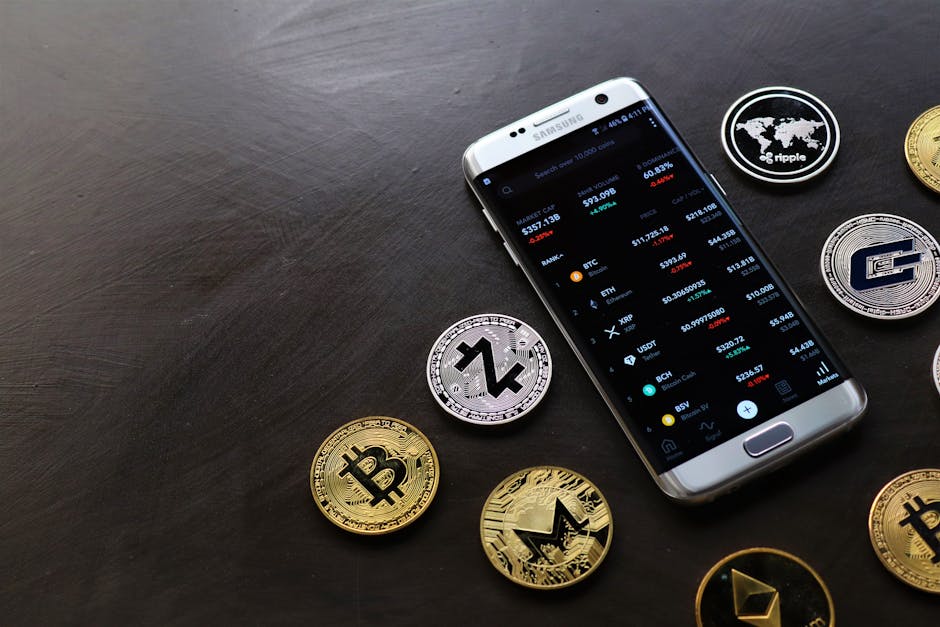
In the ever-evolving landscape of cryptocurrencies, market capitalization serves as a critical metric for gauging the relative value and acceptance of digital assets. As of recent reports, Tether's USDT has surged towards $76 billion in market cap, closing in on Ether, which stands at approximately $81 billion. This movement is significant not only for the two assets involved but also for the broader macroeconomic context of the cryptocurrency ecosystem.
Stablecoins like Tether have gained traction, particularly during periods of market volatility, as they offer a refuge for investors seeking to mitigate risk without exiting the ecosystem entirely. Unlike Ether, which is primarily used for decentralized applications and smart contracts, Tether's value is pegged to the US dollar, making it a preferred choice for traders looking to stabilize their portfolios amidst the fluctuations common in crypto markets.
SWOT Analysis of Tether vs. Ether
To understand the implications of Tether's rise in market cap, a SWOT analysis provides a comprehensive view.
Strengths
Tether (USDT):
- Offers stability in volatile markets due to its dollar peg.
- High liquidity makes it a preferred trading pair.
- Widely accepted across a multitude of exchanges and platforms.
Ether (ETH):
- Strong use case in DeFi and NFTs, driving adoption.
- Significant developer community and network upgrades (Ethereum 2.0).
- Established brand recognition and trust within the crypto community.
Weaknesses
Tether (USDT):
- Regulatory scrutiny regarding its reserves and transparency.
- Perception issues linked to the lack of audits.
Ether (ETH):
- Higher volatility compared to stablecoins.
- Ongoing concerns around scalability and transaction costs.
Opportunities
Tether (USDT):
- Growing acceptance in retail and institutional transactions as a stable medium.
- Potential enhancements in transparency and regulatory compliance could boost trust.
Ether (ETH):
- Continued expansion in DeFi and NFT sectors presents growth opportunities.
- The Ethereum 2.0 upgrade promises improved scalability and energy efficiency.
Threats
Tether (USDT):
- Potential regulatory changes could hinder operations.
- Competition from emerging stablecoins and CBDCs (central bank digital currencies).
Ether (ETH):
- Increasing competition from other blockchains offering similar functionalities.
- Market sentiment shifts could impact investment in ETH.
Impact on Investors
The competition between Tether and Ether presents a dual-edged sword for investors. For those seeking stability, Tether's rise underscores the growing importance of stablecoins in a diversified portfolio. The ability to swiftly convert assets into Tether during downturns can provide a buffer against losses. However, investors must remain aware of the regulatory risks associated with stablecoins, particularly as authorities around the globe reassess their frameworks for digital currencies.
Conversely, Ether's sustained relevance in the DeFi and NFT ecosystems suggests that it remains a strong investment opportunity for those willing to embrace risk for potential rewards. Ether's technological advancements and community support enhance its long-term viability, even amidst the allure of stable assets.
Future Outlook
The ongoing shift in the market dynamics between Tether and Ether highlights a broader trend. As more investors adopt stablecoins for transactions and as a safe haven, we may see a reevaluation of traditional cryptocurrency hierarchies. The next few months will be pivotal, particularly with ongoing regulatory developments and technological improvements on the Ethereum network.
In summary, the rising market cap of Tether presents both opportunities and challenges. Investors should carefully weigh their options, considering not just immediate returns but also the long-term implications of market movements. As the cryptocurrency landscape continues to evolve, adaptability and informed decision-making will be crucial for navigating this digital frontier.
Tags
- Tether
- USDT
- Ether
- ETH
- Altcoins
- Cryptocurrency
- Stablecoins
- DeFi