 Go Back

Texas Residents Sue MARA Holdings Over Bitcoin Mining Noise Issues
The cryptocurrency landscape is continuously evolving, and as mining operations scale up, they often clash with local communities. A recent lawsuit in Texas emerges as a poignant example of this friction, targeting Marathon Digital Holdings (MARA) for noise complaints stemming from its Granbury Bitcoin mining operations. This case not only highlights local concerns but also situates Bitcoin mining within the broader context of emerging technologies like AI. 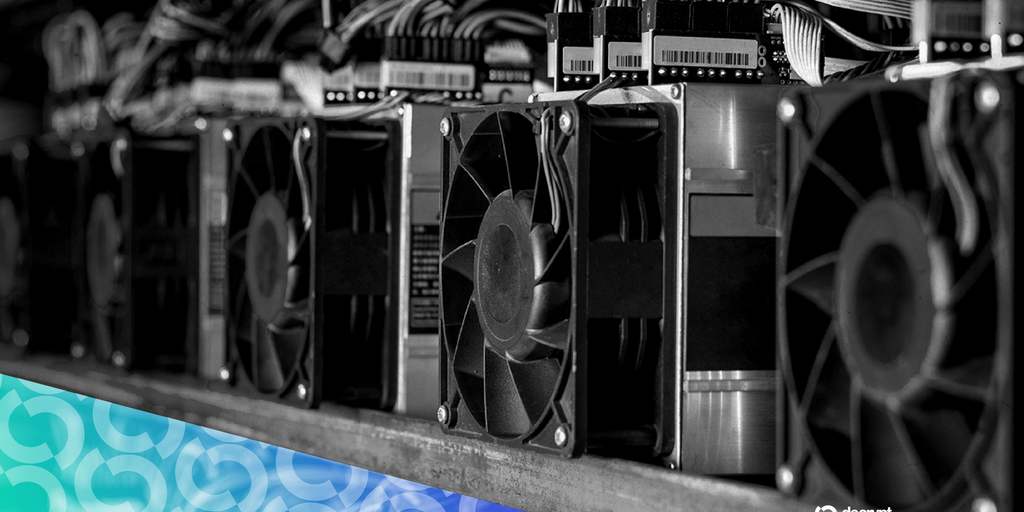
Quick Take
| Aspect | Details |
|---|---|
| Key Event | Lawsuit against MARA Holdings |
| Location | Granbury, Texas |
| Primary Concern | Noise pollution from mining operations |
| Broader Implications | Shift of mining companies towards AI infrastructure |
Local Concerns: Noise Pollution
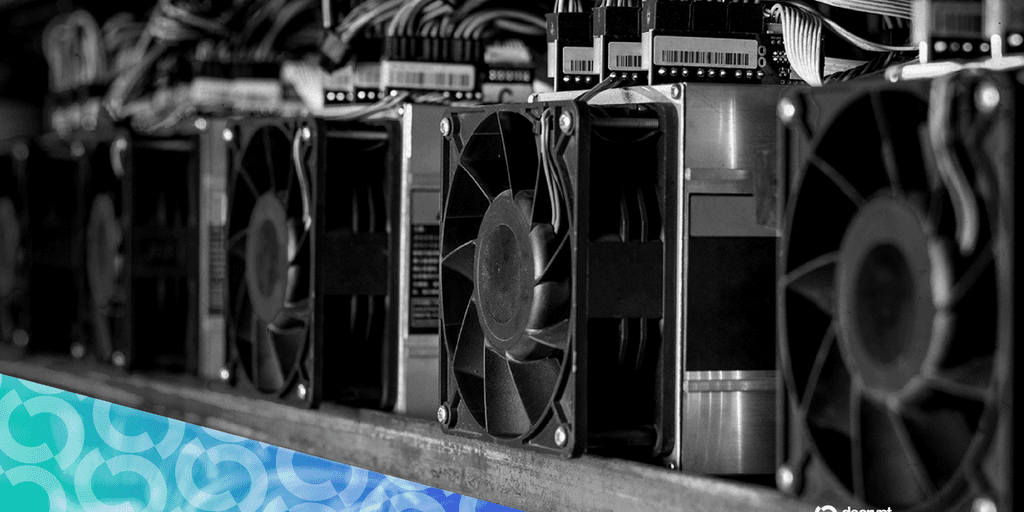
The lawsuit filed by residents of Granbury highlights the increasing tension between cryptocurrency mining companies and the communities they operate within. Noise pollution, particularly from the cooling systems and machinery used in high-capacity mining operations, can significantly disrupt the daily lives of those living nearby.
Community Impact
- Quality of Life: Residents often report difficulty in completing daily tasks due to the ongoing noise, leading to stress and potential health issues.
- Property Values: Prolonged exposure to industrial noise can diminish property values, which is a significant concern for homeowners in areas affected by mining operations.
Market Context: The Shift Towards AI Infrastructure
Interestingly, the Granbury lawsuit occurs amidst a broader strategic pivot within the cryptocurrency mining industry. Mining companies like MARA are increasingly looking to diversify their operations and capitalize on emerging technology avenues, particularly artificial intelligence (AI).
Integration of AI in Crypto Mining
- Resource Optimization: By integrating AI, mining operations can enhance efficiency, optimizing energy usage and reducing costs.
- Dual Functionality: Mining facilities can potentially serve dual purposes, operating not only as Bitcoin mining sites but also as data centers for AI applications, thereby maximizing their economic viability.
Environmental and Regulatory Considerations
This lawsuit underscores the increasing scrutiny that cryptocurrency mining operations face regarding their environmental impact. As concerns about energy consumption and noise pollution rise, regulatory bodies may consider stricter guidelines to govern mining practices.
- Energy Consumption: Bitcoin mining is often criticized for its high energy requirements, which leads to significant carbon emissions unless sourced through renewable energy.
- Future Regulations: As lawsuits like the one in Texas gain traction, we can expect more comprehensive regulations targeting noise, energy use, and overall community impact of mining activities.
Impact on Investors
Investors in the cryptocurrency sector must stay attuned to the legal and regulatory environment surrounding mining operations. The current lawsuit against MARA could have several implications:
- Market Sentiment: Negative publicity can affect stock prices and investor sentiment towards MARA and other mining entities.
- Operational Adjustments: If the lawsuit leads to stricter regulations, mining companies may need to invest in noise reduction technologies or relocate operations, impacting their bottom line.
- Long-term Viability: The industry's ability to adapt to regulatory changes will be crucial for long-term investor confidence and sustainability.
Conclusion
The lawsuit against MARA Holdings, while rooted in local noise complaints, reflects larger trends within the cryptocurrency mining sector as it grapples with community relations and the quest for innovation. As mining firms pivot towards AI and other technologies, the industry must also navigate the complex landscape of regulations and community expectations. Investors should remain vigilant, as these developments may shape the future of the mining landscape and could influence investment strategies in the long term.
This case serves as a reminder of the real-world impacts of cryptocurrency mining and the necessity for ongoing dialogue between miners and the communities they inhabit. As the industry continues to grow, it will be vital for companies to prioritize sustainable practices that respect local concerns while innovating for the future.