 Go Back

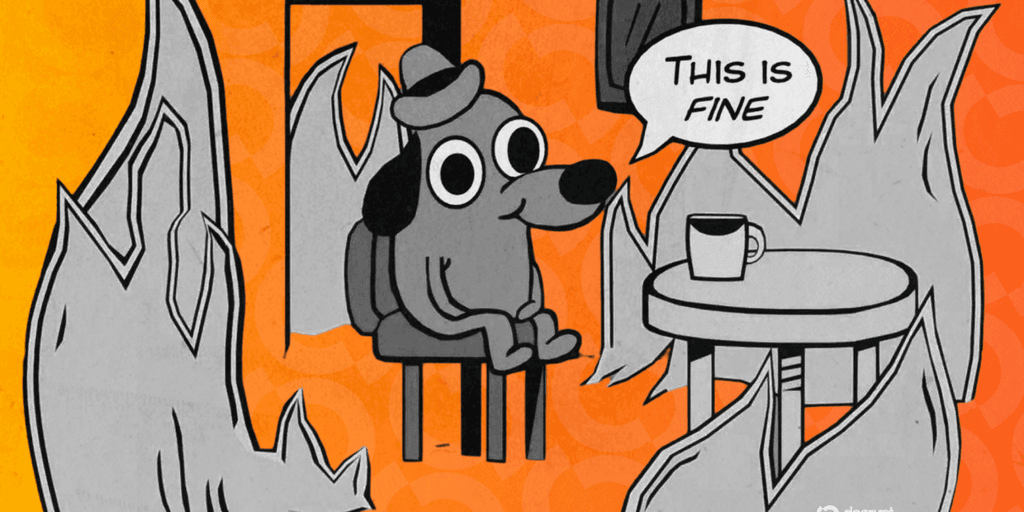
The Controversy Surrounding the 'This Is Fine' Meme and Its Impact on Creators
In a recent incident that has raised eyebrows across the digital art and meme community, KC Green, the creator of the iconic 'This Is Fine' meme, accused an AI startup of using his artwork without his consent for a subway advertising campaign. In 2013, Green’s cartoon of a dog sitting in a burning room has become emblematic of apathy in the face of disaster. Now, it seems that the very essence of that meme is igniting a new debate about intellectual property rights in the age of artificial intelligence.
Quick Take
| Aspect | Details |
|---|---|
| Creator | KC Green |
| Meme Origin | 2013 |
| Allegation | Unauthorized use in an ad campaign by Artisan |
| Call to Action | Green encourages followers to vandalize the ads |
| Broader Implications | Raises questions on AI, copyright, and the evolving digital rights landscape |
Market Context
The incident comes at a time when the intersection of AI technology and art is under intense scrutiny. As startups and corporations increasingly leverage AI to produce creative content, issues of copyright and ownership have come to the forefront. The practice of utilizing existing art, particularly memes—which are often shared freely and remixed—blurs the lines of intellectual property rights.
For many creators, the rapid evolution of technology presents both opportunities and challenges. On one hand, creators can gain visibility and new avenues for monetization through platforms that utilize AI; on the other hand, unauthorized use of their works can lead to significant financial and reputational harm.
The rise of NFTs (non-fungible tokens) has provided a new layer of protection and ownership for digital artists, allowing them to sell verifiable tokens linked to their original works. However, as this incident illustrates, even with these new technologies, the complexities of copyright law and digital rights remain contentious and unresolved.
SWOT Analysis
Strengths
- Cultural Significance: The 'This Is Fine' meme is widely recognized, giving Green's artwork substantial marketability.
- Rising Awareness: Increased public discourse on intellectual property rights in the digital age.
- NFT Advancements: Opportunities for creators to protect their works through blockchain technology.
Weaknesses
- Legal Avenues: Existing copyright laws may not adequately address the nuances of AI-generated content.
- Resource Limitations: Independent creators may lack the financial resources to pursue legal action against larger corporations.
Opportunities
- Community Support: Growing solidarity among artists to advocate for fair treatment and respect for creators’ rights.
- New Platforms: Development of platforms that prioritize creator rights and offer fair compensation.
Threats
- AI Advancements: Rapidly evolving AI capabilities could further undermine traditional notions of authorship and ownership.
- Market Saturation: Increased competition may drive down the value of digital art, making it harder for artists to earn a sustainable income.
Impact on Investors
The controversy surrounding the unauthorized use of the 'This Is Fine' meme accentuates the precarious balance between innovation and protection in the creative economy. Investors in AI startups, especially those involved in content generation, should consider the implications of copyright infringement. A lack of respect for intellectual property can lead to legal battles, damaging brand reputation and resulting in financial losses.
Additionally, as awareness of these issues grows, there may be a shift in consumer preference towards platforms that respect and protect artist rights. This trend could influence the valuation of companies in the AI space, making ethical considerations as crucial as technological advancements.
Investors should also keep an eye on the evolving regulatory landscape surrounding AI and copyright laws. As governments and organizations begin to address these complex issues, proactive compliance will be key for startups seeking to establish themselves as trustworthy players in the market.
Conclusion
The situation with KC Green and the AI startup Artisan is more than just a case of meme theft; it’s indicative of a larger cultural and legal struggle over digital rights in the age of AI. Creators like Green are standing up to protect their work, signaling a call to action for others in the community. As the dialogue around copyright, AI, and content creation continues to evolve, both creators and investors must navigate this landscape carefully, balancing innovation with respect for the creative contributions that shape our digital lives.
Understanding these dynamics can empower artists and investors alike, ensuring that as we advance technologically, we also honor the rights of those who push the boundaries of creativity.