 Go Back


Tokenization: Enhancing Banking Rails, Not Disrupting Them
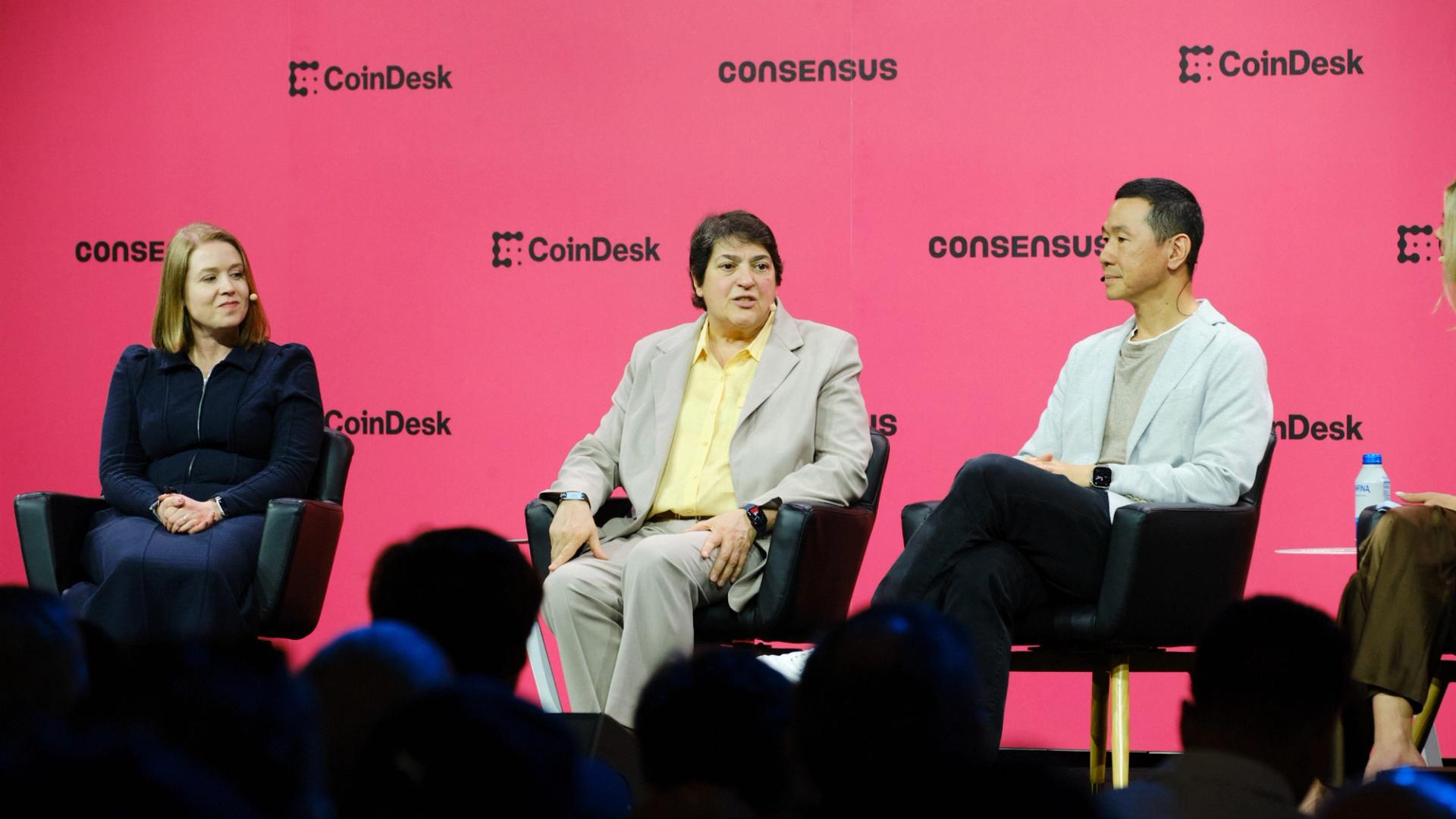
Tokenization has become a hot topic in financial circles, especially as seen during the recent Consensus conference, where executives from major institutions like Citigroup, JPMorgan, and the Depository Trust & Clearing Corporation (DTCC) shared valuable insights. Contrary to the disruptive narratives often associated with blockchain technology, these leaders emphasized that the true value lies in enhancing existing banking infrastructure through genuine client demand for tokenized assets.
Quick Take
| Aspect | Details |
|---|---|
| Key Players | Citigroup, JPMorgan, DTCC |
| Main Insight | Tokenization will enhance, not disrupt, traditional banking rails. |
| Driving Force | Real-world client demand for tokenized assets. |
| Future Outlook | Increased integration of tokenized assets within existing financial frameworks. |
Market Context
Tokenization refers to the process of converting rights to an asset into a digital token on a blockchain. In theory, this could revolutionize the way assets are traded and owned, but Wall Street executives argue that rather than dismantling the traditional banking systems, tokenization will fundamentally improve them. This perspective emerges from the growing recognition of customer demand for more efficient and transparent financial products.
Historically, financial institutions have faced criticism for their slow adaptation to technological change. However, the conversation around tokenization has revealed a shift in the narrative: banks are now seen as key players in the blockchain space, actively looking to integrate these technologies into their operations. This shift is not merely speculative; it is underpinned by a solid demand from clients who are increasingly interested in digital asset management.
SWOT Analysis of Tokenization in Banking
| Strengths | Weaknesses |
|---|---|
| Enhances transparency and traceability | Requires regulatory clarity |
| Improves efficiency in transactions | Potential integration challenges |
| Attracts new customer demographics | Initial setup costs may be high |
| Opportunities | Threats |
|---|---|
| Growing investor interest in digital assets | Competition from alternative financial systems |
| Potential for new financial products | Regulatory risks and compliance issues |
Strengths
- Enhances Transparency and Traceability: Tokenization offers an immutable record of transactions, promoting trust and accountability.
- Improves Efficiency: By streamlining processes, tokenized assets can reduce transaction times and costs significantly.
- Attracts New Customers: Digital assets appeal to a tech-savvy demographic looking for innovative investment opportunities.
Weaknesses
- Regulatory Clarity: The legal framework surrounding tokenized assets is still evolving, posing risks for institutions.
- Integration Challenges: Traditional banking systems may struggle to adapt to new technologies, requiring updates to legacy systems.
- High Initial Costs: The setup and training costs for implementing tokenization can be prohibitive for some institutions.
Opportunities
- Growing Market: As more individuals and businesses express interest in digital assets, banks have a chance to expand their offerings.
- New Financial Products: Tokenization could lead to innovative services and products that cater to evolving market demands.
Threats
- Alternative Financial Systems: As decentralized finance (DeFi) solutions gain popularity, traditional banks could face competition.
- Regulatory Risks: The potential for stringent regulations could hinder the development and adoption of tokenized assets.
Impact on Investors
The integration of tokenization into the banking sector presents a fascinating prospect for investors. The executives' assertions suggest that the growth of tokenized assets is not a fringe movement but a fundamental shift in how financial services are delivered. For investors, this means more opportunities to access liquidity, greater transparency in transactions, and potentially lower fees associated with asset trading.
Moreover, the demand for tokenized assets may lead to a more significant increase in various investment vehicles, including fractional ownership opportunities, which allow investors to partake in high-value assets previously deemed inaccessible.
Future Predictions
Looking ahead, the improvements brought about by tokenization could lead to a more democratized financial landscape, where asset management is available to a broader audience. As banks begin to embrace this technology, one can anticipate a gradual merging of traditional and decentralized finance, creating a hybrid ecosystem that leverages the strengths of both worlds.
In summary, while the fear of disruption often accompanies technological advancements, the insights from major financial institutions indicate that tokenization will likely serve to enhance the existing banking infrastructure. The road ahead looks promising for both financial institutions and investors alike, as they navigate the evolving landscape of digital assets and blockchain technology.