 Go Back


Tokenization and the Future of Finance: Insights from Jamie Dimon
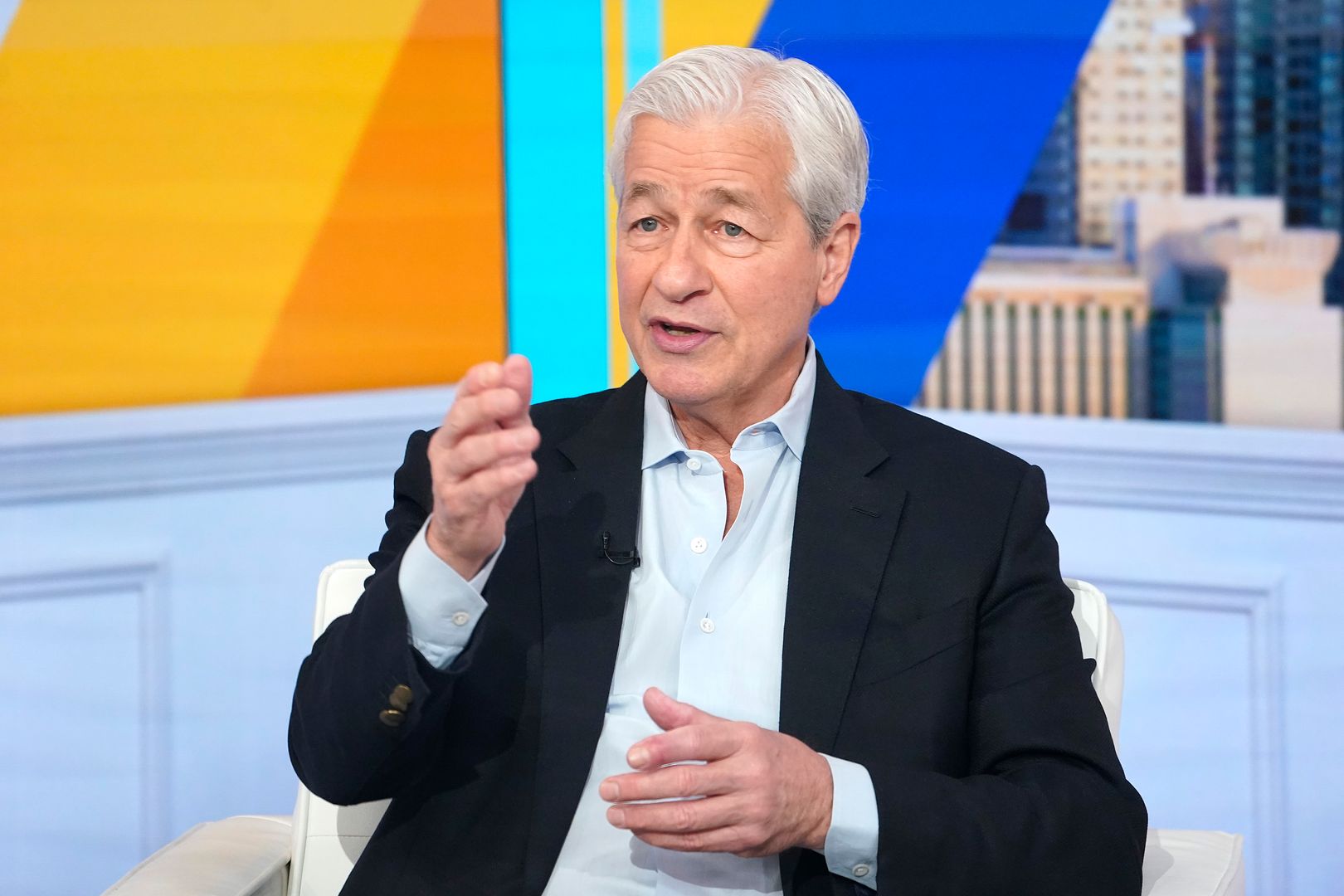
In a recent communication to shareholders, JPMorgan CEO Jamie Dimon highlighted an emerging trend that is reshaping the financial landscape: tokenization. He emphasized the need for traditional financial institutions to adapt swiftly to this shift, as a new wave of competitors rooted in blockchain technology rises. As the world watches this evolution, it’s crucial to unpack what tokenization means for finance, how it affects the market, and what it could mean for investors in the long term.
Quick Take
| Aspect | Overview |
|---|---|
| Tokenization | The process of converting rights to an asset into a digital token on a blockchain. |
| Market Impact | Increased competition for traditional banks from crypto-native firms. |
| Investor Implications | Potential for new investment opportunities, but also increased volatility. |
| Long-Term Trends | A shift towards decentralized finance (DeFi) as tokenization becomes mainstream. |
The Good: Opportunities Created by Tokenization
Tokenization offers a plethora of opportunities that can enhance the financial ecosystem. By converting assets into digital tokens, processes can become more efficient, transparent, and accessible. Here are some positive aspects to consider:
1. Increased Liquidity
Tokenized assets can be traded 24/7 on blockchain platforms, allowing for greater liquidity compared to traditional assets, which often face market hours and other limitations. This can lead to more dynamic trading environments.
2. Fractional Ownership
Tokenization allows for fractional ownership of assets such as real estate or fine art, lowering the barrier to entry for investors. This democratizes access to high-value assets and can stimulate broader participation in investment markets.
3. Enhanced Transparency and Security
Blockchain technology provides a secure and immutable ledger for transactions, fostering trust among investors. Enhanced transparency can reduce fraud and lead to more responsible financial practices.
The Bad: Challenges Ahead
While the prospects of tokenization are promising, there are also challenges that need to be addressed:
1. Regulatory Uncertainty
Governments around the world are still grappling with how to regulate tokenized assets. This uncertainty can deter traditional investors from participating in tokenized markets, stalling widespread adoption.
2. Technical Barriers
The technological infrastructure necessary for tokenization is still developing. Not all financial institutions are equipped to transition to a blockchain-based model, leading to potential inequalities in market participation.
3. Market Volatility
The integration of tokenized assets into existing financial markets could contribute to increased price volatility, as these new assets may not yet have established market fundamentals.
The Ugly: Potential Risks and Pitfalls
With any transformative technology, there are inherent risks that must be navigated:
1. Security Vulnerabilities
While blockchain is generally secure, it is not immune to hacking and fraud. Investors must remain vigilant about the platforms they use and the assets they invest in.
2. Overreliance on Technology
As finance becomes more digitized, there will be a growing reliance on technology. Technical failures or outages could disrupt access to funds or services, leading to significant repercussions in the financial sector.
Market Context
Currently, the financial sector is experiencing a paradigm shift as technology encroaches upon traditional banking practices. This shift has been accelerated by the COVID-19 pandemic, which prompted a surge in digital transactions and increased demand for innovative financial solutions. Major banks, including JPMorgan, are feeling the pressure to innovate rapidly or face obsolescence.
The emergence of DeFi platforms and cryptocurrency exchanges allows for decentralized financial services that bypass traditional banking altogether. Jamie Dimon's call to action for JPMorgan reflects a broader acknowledgment that the future of finance is not just about digitization but also about embracing the decentralized ethos that blockchain represents.
Impact on Investors
For investors, the implications of tokenization are multifaceted. As traditional assets become tokenized, investors will have the opportunity to diversify their portfolios with new asset classes. However, they must also be cautious due to the volatility and risks associated with these emerging markets.
1. New Investment Vehicles
Tokenization expands investment opportunities, offering vehicles that were previously inaccessible to many. As tokenized securities become more prevalent, investors may find innovative ways to earn returns.
2. Need for Due Diligence
Investing in tokenized assets requires a thorough understanding of the underlying technologies and market dynamics. Investors must conduct due diligence to navigate this complex landscape effectively.
3. Potential for Market Disruption
As tokenization continues to disrupt traditional financial markets, investors could see significant shifts in market behavior. Being adaptable and informed will be crucial for long-term success.
Conclusion
Jamie Dimon's acknowledgment of the competitive landscape shaped by tokenization signals a crucial inflection point for the financial industry. As we move towards a more decentralized financial future, both traditional institutions and investors must adapt to the changing tides. Embracing this transformation could unlock unprecedented opportunities, but awareness of the accompanying risks will be essential. The world of finance as we know it is on the brink of a significant transformation, and tokenization could be at the center of it all.
Tags
- Tokenization
- Jamie Dimon
- Blockchain
- DeFi
- Financial Innovation