 Go Back


Tokenization and Personalized Portfolios: A New Era for Investors
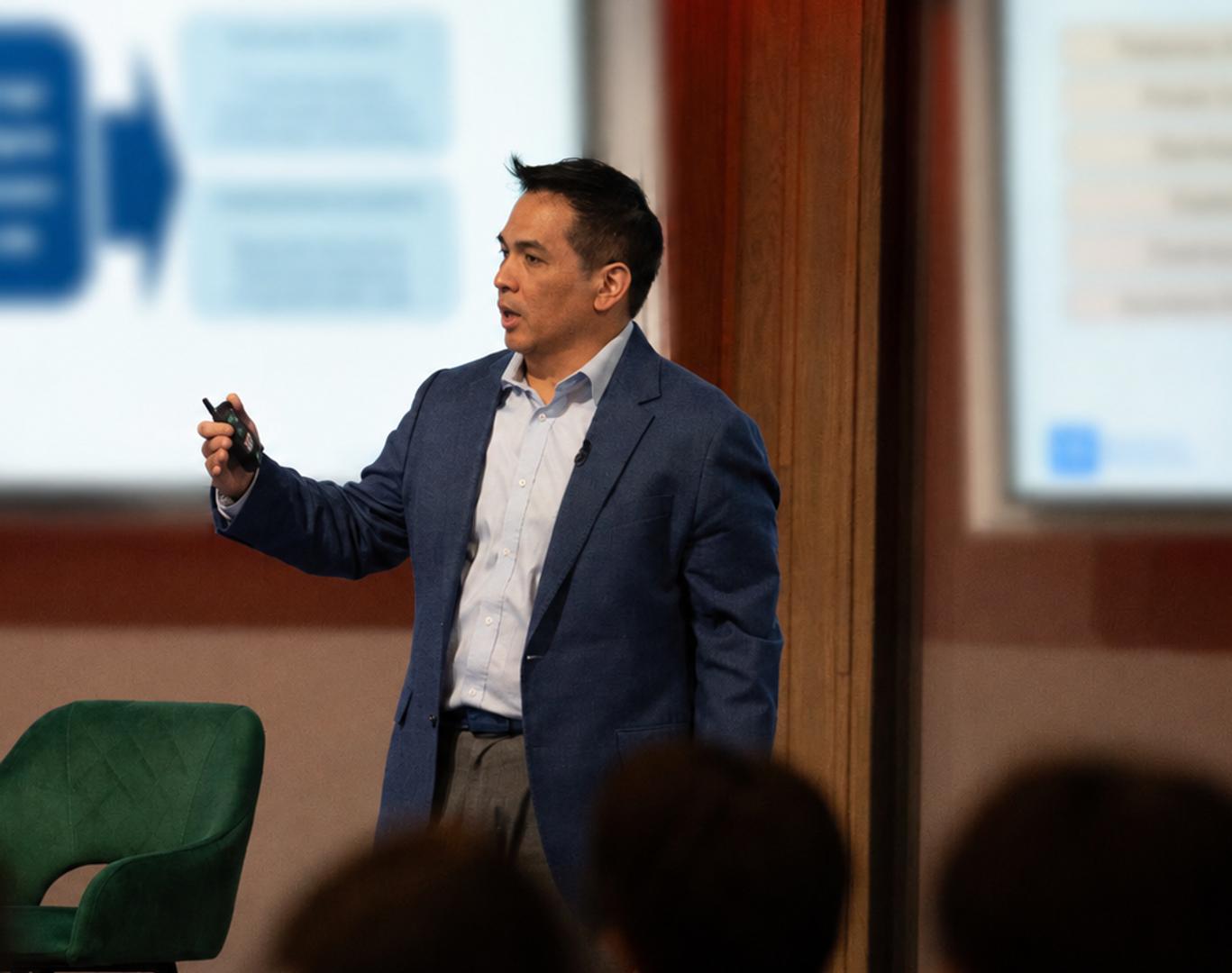
The concept of tokenization in finance has gained significant traction over the past few years, and its potential is only just beginning to be realized. Thomas Sy, the head of multi-asset solutions at an $800-million asset management firm, recently emphasized how blockchain technology can transform portfolio management by enabling complex constructions that are not feasible in traditional finance. This article dives into the implications of tokenization for personalized portfolios and the broader financial landscape.
Quick Take
| Aspect | Details |
|---|---|
| What is Tokenization? | Converting rights to an asset into a digital token. |
| Key Benefit | Enables complex financial structures and personalization. |
| Market Trend | Growing interest in blockchain-based asset management. |
| Future Outlook | Increased adoption in both retail and institutional investing. |
Understanding Tokenization
Tokenization refers to the process of converting rights to an asset into a digital token on a blockchain. This allows assets to be traded and managed more efficiently than in traditional finance systems. The benefits of tokenization include improved liquidity, fractional ownership, and enhanced transparency. As Sy noted, the ability to construct personalized portfolios through tokenization could change the landscape of asset management significantly.
The Rise of Personalized Portfolios
The traditional model of investment management often relies on one-size-fits-all strategies where asset managers create portfolios based on broad client demographics or risk profiles. However, the advent of tokenization allows for a more granular approach. Investors can tailor their portfolios to fit their specific needs, goals, and risk tolerance. This personalization is achieved by leveraging blockchain's capabilities to integrate various asset types, from cryptocurrencies to real estate, into a single, fluid portfolio.
Market Context
The financial markets have witnessed a paradigm shift towards digital assets, driven by the increasing acceptance of cryptocurrencies and blockchain technology. For instance, the rapid growth of decentralized finance (DeFi) has showcased the potential of blockchain to disrupt traditional financial services. As institutional investors begin to explore tokenization more thoroughly, the demand for personalized investment solutions will likely increase.
Historical Context
Historically, the asset management industry has been slow to adopt technological advancements. However, the crypto boom of 2020 and 2021 catalyzed a change in mindset. Financial institutions are now more open to integrating blockchain technology into their operations. In recent years, companies like NYLIM have started to explore how tokenization can enhance portfolio construction, which signals a significant shift in investment strategies.
Impact on Investors
The introduction of tokenized personalized portfolios presents both opportunities and challenges for investors. Below are some potential implications:
Advantages
- Enhanced Customization: Investors can select specific tokens that align closely with their values, beliefs, or financial goals.
- Greater Liquidity: Tokenized assets can be bought and sold more easily, providing investors with increased flexibility.
- Lower Costs: Reduced need for intermediaries can lower management fees, making investing more affordable.
Challenges
- Regulatory Uncertainty: The regulatory framework for tokenized assets is still evolving, which could introduce risks.
- Technical Barriers: Understanding blockchain technology may be challenging for traditional investors, necessitating educational efforts.
- Market Volatility: As with cryptocurrencies, tokenized assets can be subject to extreme market fluctuations.
Future Outlook
As blockchain technology continues to evolve, the adoption of tokenization in investment strategies is expected to grow. The trend towards personalization will likely resonate with younger investors, who prioritize individual values in their financial decisions. The next few years may see a surge in demand for personalized portfolios that leverage tokenization, reshaping the asset management landscape.
In conclusion, the intersection of tokenization and personalized portfolios represents a significant shift in how investors can approach their investment strategies. By harnessing blockchain technology, asset management firms can offer tailored solutions that not only meet individual investor needs but also drive efficiency and innovation in the financial sector. The future of investing may very well hinge upon this exciting evolution.