 Go Back


Tokenization Revolution: How NUVA Aims to Transform Wall Street
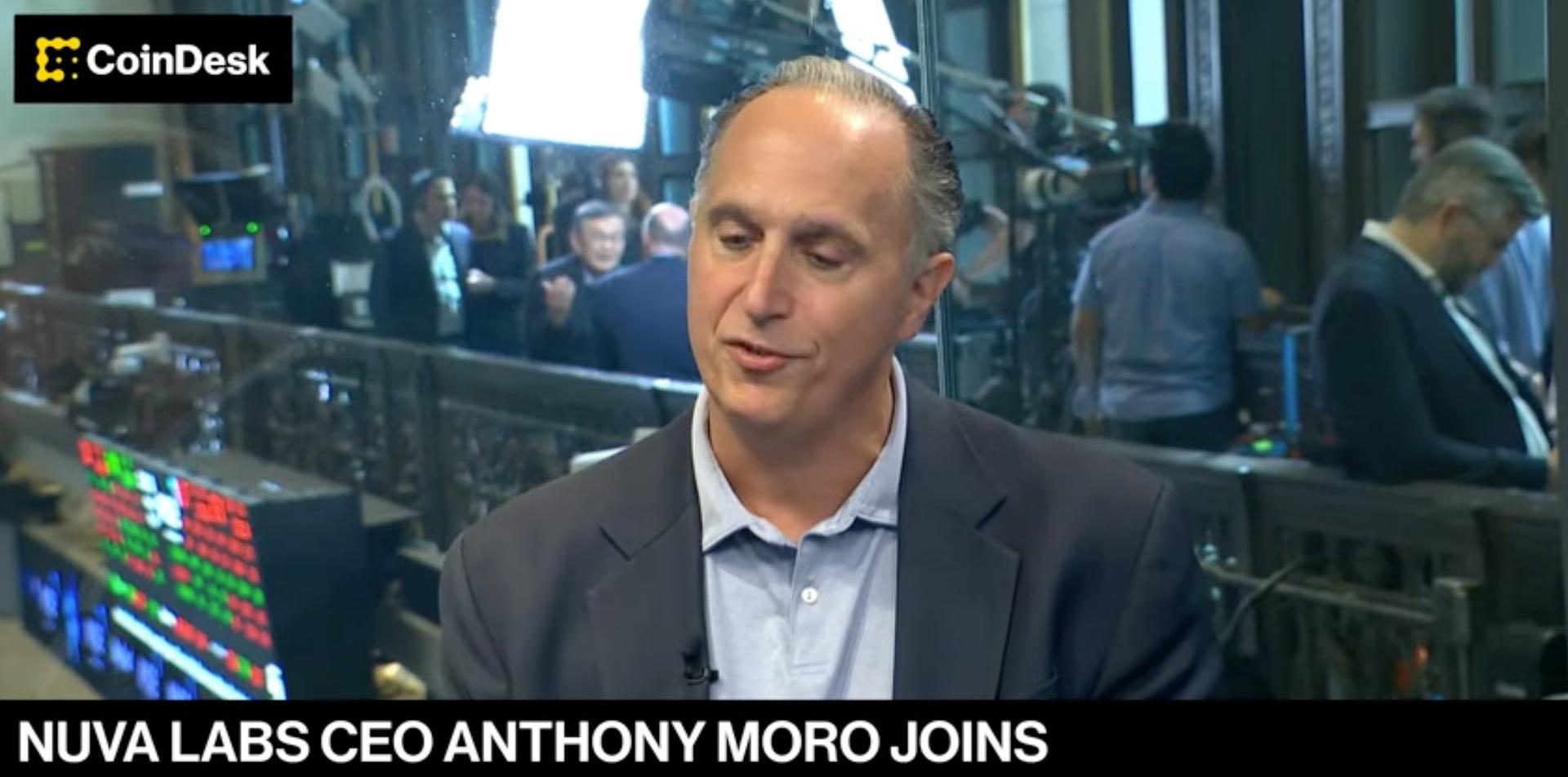
The DeFi space continues to expand and innovate, with the recent launch of NUVA capturing attention across financial markets. Introduced with a staggering $19 billion worth of tokenized real-world assets, NUVA is being positioned as a game-changer for traditional finance. It is spearheaded by a former BNY executive and seeks to integrate regulated U.S. yield products into decentralized finance. This blog post delves into the implications of NUVA's entry into the market and what it means for both traditional finance and the burgeoning DeFi ecosystem.
Quick Take
| Feature | Detail |
|---|---|
| Launch Amount | $19 billion in tokenized assets |
| Key Player | Former BNY executive |
| Focus | Bringing regulated yield products to DeFi |
| Sourced From | Figure Technologies |
| Aim | Remake Wall Street |
The Good: Advantages of Tokenization
Tokenization of assets represents a seismic shift in how value is stored, transferred, and managed. Here are some notable benefits:
Enhanced Liquidity
Tokenized assets can be fractionated, allowing investors to buy smaller portions of high-value assets, thereby increasing liquidity in traditionally illiquid markets. This democratization of investment opportunities can open doors for retail investors who were previously locked out of high-value investments.
Transparency and Security
Built on blockchain technology, tokenized assets benefit from enhanced transparency. All transactions are recorded on a distributed ledger, enabling better auditing and lowering the likelihood of fraud. With the implementation of smart contracts, compliance and transaction execution can occur without intermediaries, reducing costs and time delays.
Regulatory Compliance
NUVA's emphasis on integrating regulated U.S. yield products with DeFi indicates a commitment to compliance in an industry often criticized for its lack of oversight. This focus could facilitate greater institutional adoption as traditional finance institutions become more comfortable with DeFi infrastructures.
The Bad: Challenges Ahead
Despite the promise of tokenization, several hurdles need to be addressed:
Regulatory Hurdles
While NUVA aims to comply with regulations, the evolving legal landscape surrounding cryptocurrency and DeFi remains a minefield. Regulatory bodies are still formulating their approaches to tokenization, and these regulations could stifle innovation if they become overly stringent.
Market Saturation
As more players flood into the market with tokenization initiatives, distinguishing products will become increasingly challenging. NUVA must carve out a unique value proposition to avoid blending in with other tokenized asset platforms.
Technology Risks
Blockchain technology, while robust, is not impervious to risks such as hacking and system failures. A significant breach could undermine investor confidence, leading to potential losses and a slowdown in market adoption.
The Ugly: Broader Market Context
The launch of NUVA is taking place against a backdrop of increasing interest in DeFi and tokenization. Several trends underscore the urgency and relevance of this initiative:
Shift Towards Digital Finance
The global pandemic has accelerated the adoption of digital financial solutions. With more individuals and businesses seeking decentralized alternatives to traditional banking, NUVA's timing appears fortuitous.
Institutional Interest in DeFi
Institutional investors are cautiously entering the DeFi space, seeking higher yields amid low-interest rates. NUVA’s introduction of regulated products could serve as a bridge for these institutions to engage with DeFi while adhering to their investment policies.
Potential Economic Impact
If NUVA achieves its goals, the economic implications could be profound. Tokenization has the potential to lower barriers to entry for investment, increase market participation, and foster financial inclusion. This could lead to a more dynamic economy, although it may also challenge existing financial institutions to adapt or risk obsolescence.
Impact on Investors
For individual investors, NUVA's launch could signify several opportunities and risks:
Opportunities
- Access to Unique Investment Opportunities: The ability to invest in tokenized real-world assets could diversify portfolios without the traditional frictions associated with asset ownership.
- Potential for Higher Returns: With regulated yield products entering DeFi, investors may find new avenues for generating returns, especially if these products can outperform traditional financial instruments.
Risks
- Market Volatility: The DeFi space is notorious for its volatility. Newly tokenized assets may experience significant price fluctuations, which could lead to large-scale losses for unprepared investors.
- Regulatory Risks: As mentioned, the regulatory landscape is uncertain, and any unfavorable changes could affect the value and security of tokenized assets.
Conclusion
The launch of NUVA marks a pivotal moment in the convergence of traditional finance and decentralized finance. With its ambitious goal to tokenize $19 billion in real-world assets, it aims to reshape the landscape of Wall Street while addressing some of the longstanding issues plaguing both worlds. Investors and market participants should keep a close eye on NUVA’s developments as it strives to balance innovation with compliance amidst a rapidly evolving financial ecosystem.
Tags
- Tokenization
- DeFi
- Wall Street
- Real Estate
- Crypto Regulations