 Go Back


Quick Take
| Key Points | Details |
|---|---|
| What is Tokenization? | Converting assets into digital tokens. |
| Why Now? | 2026 is the year of token narratives. |
| Potential Benefits | Increased liquidity, accessibility, efficiency. |
| Challenges Ahead | Regulatory hurdles, technological issues. |
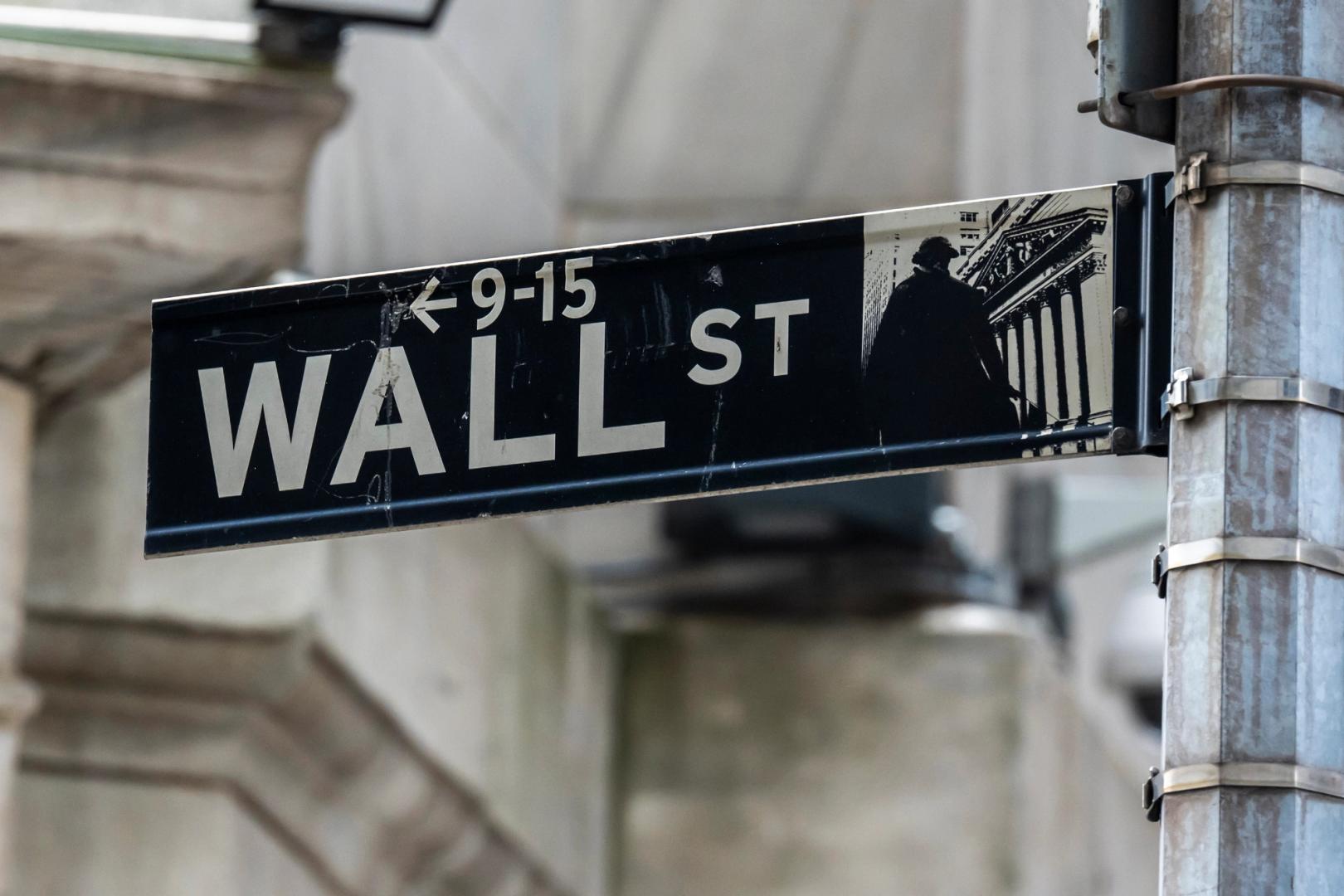
Tokenization is the hottest trend of 2026, and Wall Street is at the forefront of this financial innovation. But what does it all mean for investors and the economy? Let’s unpack this intricate web of finance, technology, and opportunity.
What is Tokenization?
Tokenization refers to the process of converting rights to an asset into a digital token that exists on a blockchain. This can apply to a variety of assets, including stocks, bonds, real estate, and even intellectual property. In essence, it allows for fractional ownership and trading of assets that were previously illiquid or hard to access.
Why is Wall Street Interested in Tokenization?
1. Increased Liquidity
Tokenization could dramatically enhance liquidity in the financial markets. With traditional assets tied up in long-term contracts and limited market access, many investors find it hard to buy or sell quickly. Tokenization breaks down these barriers, allowing for real-time transactions and the ability to trade fractions of assets.
2. Accessibility
By democratizing access to investments, tokenization permits smaller investors to get in on the action. Imagine owning a piece of a high-value asset, like a major corporation’s stock, without needing thousands of dollars. This opens the floodgates for retail investors who have previously been sidelined.
3. Efficiency in Transactions
The process of buying and selling assets can be cumbersome, often requiring intermediaries. With smart contracts on the blockchain, transactions can be automated, reducing the need for middlemen and thus slashing costs and time involved in settlement.
Market Context
The financial landscape is ripe for disruption. The world has seen a significant shift towards digitalization and remote transactions accelerated by the pandemic. As traditional institutions scramble to adapt, tokenization represents a way to not just keep pace with technological advancements but to leapfrog into a new era of finance.
Current Trends
- Major Wall Street firms are experimenting with tokenized versions of existing financial products.
- Regulatory bodies are slowly starting to embrace the concept, with discussions around frameworks that could support a secure and efficient tokenized market.
- Companies like Fidelity and Goldman Sachs are already laying the groundwork for tokenized assets among their client offerings.
Challenges Ahead
1. Regulation
While the opportunity is immense, navigating the regulatory landscape remains a significant challenge. Authorities worldwide are grappling with how to classify and govern tokenized assets, leading to a patchwork of regulations that could slow down adoption.
2. Technological Barriers
Tokenization relies heavily on blockchain technology, which, despite its advantages, is still facing scalability and interoperability issues. The infrastructure must be robust and secure enough to handle a large volume of transactions without compromising on speed or safety.
Impact on Investors
For investors, the tokenization of the stock market represents a double-edged sword. On the one hand, it opens up new avenues for investment and diversification. On the other hand, as with any emerging technology, there are risks and uncertainties. Here are a few considerations:
- Potential for High Returns: Early adopters of tokenized assets might enjoy significant returns as the market matures.
- Investment Risks: The volatility associated with new financial instruments can lead to increased risks.
- Need for Education: Investors will need to educate themselves on blockchain technology and the nuances of tokenized assets to make informed decisions.
Future Predictions
As Wall Street pushes forward with tokenization, we can expect:
- A gradual shift in how traditional assets are viewed and traded across the globe.
- Increased collaboration between tech firms and financial institutions, leading to innovative products and services.
- A more inclusive investment landscape, enabling individuals and institutions to interact with financial markets in new and exciting ways.
Conclusion
The race to tokenize the stock market is just beginning, and the stakes are high. With massive benefits on the horizon, Wall Street's interest is likely to drive significant changes in the economy. For savvy investors looking to ride this wave, staying informed and adaptable will be key.
Tags
- tokenization
- Wall Street
- blockchain
- stocks
- investment strategy
- financial technology
- market trends