 Go Back


Tokenized Asset Market Surges: A $43B Opportunity for Investors
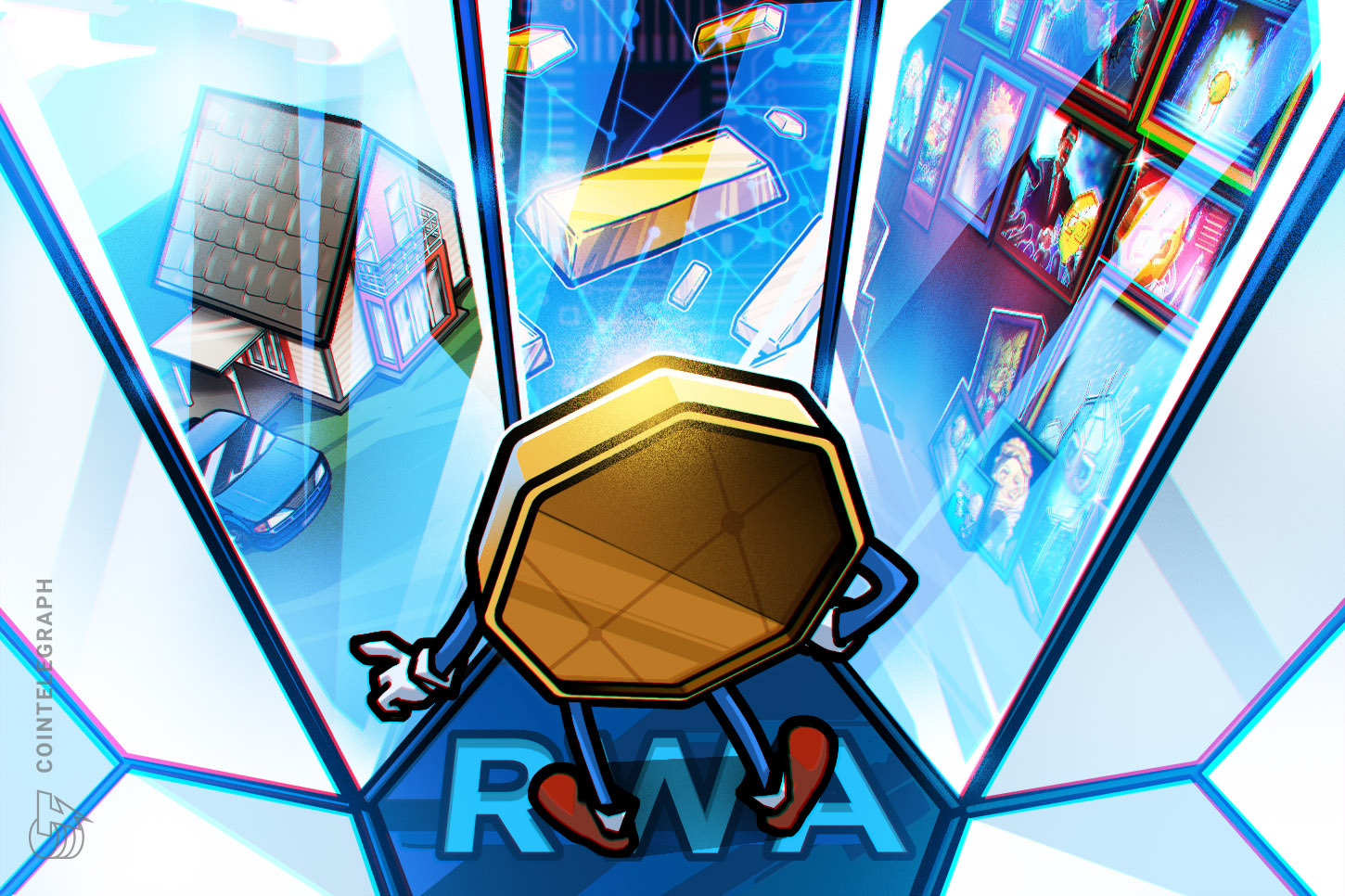
The global financial landscape is witnessing a seismic shift as tokenized financial assets have surged by 37% in just six months, reaching a staggering market valuation of over $43 billion. Driven by institutional adoption and an expanding range of applications beyond traditional funds and private credit, this burgeoning sector is reshaping how we perceive and engage with financial assets.
Quick Take
| Metric | Value |
|---|---|
| Market Size (Tokenized Assets) | $43 Billion |
| Growth Rate | 37% in six months |
| Main Drivers | Institutional Adoption, Blockchain Expansion |
| Key Areas of Application | Funds, Private Credit, Real Estate, Commodities |
Market Context
The rise of tokenized assets can be attributed to a multitude of factors, including the increasing acceptance of blockchain technology by financial institutions, regulatory clarity, and a growing demand for liquidity in traditionally illiquid markets. According to a report by Token Terminal, the surge in interest is indicative of a broader trend where institutions are not just dabbling in the crypto space but are making significant commitments to blockchain technology.
Tokenized assets offer a myriad of benefits such as fractional ownership, increased liquidity, and enhanced transparency, which are essential for modern finance. These advantages are particularly appealing to institutional investors looking to diversify their portfolios and hedge against traditional market volatility. As these institutions push deeper into on-chain adoption, the implications for both the tokenization of real-world assets (RWAs) and the overall crypto market are profound.
SWOT Analysis
Strengths
- Liquidity: Tokenized assets allow for fractional ownership, making it easier for investors to buy and sell portions of high-value assets.
- Transparency: Blockchain technology ensures that all transactions are recorded and publicly verifiable, reducing the risk of fraud.
- Accessibility: By removing barriers to entry, tokenization democratizes access to investment opportunities.
Weaknesses
- Regulatory Uncertainty: Many regions still lack clear regulations surrounding tokenized assets, which can deter potential investors.
- Market Volatility: While liquidity is a strength, it can also lead to increased price fluctuations, particularly in new markets.
- Technology Dependence: The reliance on blockchain technology means that issues with the underlying infrastructure can impact the entire ecosystem.
Opportunities
- Expansion into Emerging Markets: There is significant potential for tokenized assets in emerging markets where traditional banking services are lacking.
- Integration with Traditional Finance: As institutions adopt blockchain technology, the potential for hybrid models of finance could emerge, blending traditional and decentralized finance.
- New Asset Classes: The tokenization of previously illiquid assets, such as real estate and art, provides new avenues for investment and diversification.
Threats
- Competition from Traditional Financial Institutions: As banks and financial services explore their own blockchain solutions, they may pose a threat to the decentralized model.
- Technological Risks: Cybersecurity threats, smart contract vulnerabilities, and other tech-related risks could undermine investor confidence.
- Market Saturation: As more players enter the space, the potential for market saturation could lead to increased competition and diminished returns.
Impact on Investors
Investors looking to capitalize on the growth of tokenized assets should consider both the potential rewards and the inherent risks. The increasing institutional interest suggests a maturation of the market, which could lead to greater stability over time. However, investors must remain vigilant about regulatory changes and technological developments that could impact their investments.
Moreover, as the tokenized asset landscape evolves, the diversification of asset classes presents unique opportunities. Investing in tokenized versions of real estate, art, or even commodities could provide a hedge against traditional market fluctuations, appealing to investors’ desire for alternative investment strategies.
In summary, the tokenized asset market is at a pivotal moment. With a valuation exceeding $43 billion and a growth trajectory that shows no signs of slowing, both institutions and retail investors alike must navigate this complex landscape thoughtfully and strategically. As the integration of blockchain technology into traditional finance continues to deepen, it will be crucial to stay informed of emerging trends and developments that could shape the future of investing.
As the tokenized asset market matures, those who remain informed and adaptable will be best positioned to seize new opportunities arising from this dynamic and transformative space.