 Go Back

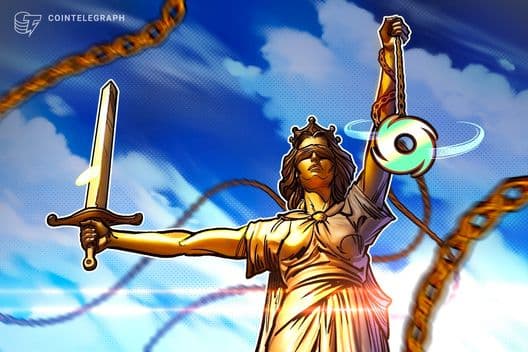
Tornado Cash Co-Founder Roman Storm Faces Uncertain Future
In a significant turn of events within the cryptocurrency regulation landscape, Roman Storm, the co-founder of Tornado Cash, still grapples with potential retrial on two charges. This follows a split jury's inability to reach a verdict in his case in 2025. The implications of this situation extend far beyond Storm himself, potentially affecting the broader crypto ecosystem and regulations that govern it.

Quick Take
| Key Points | Details |
|---|---|
| Who? | Roman Storm, Co-founder of Tornado Cash |
| Charges | Two unresolved charges due to a split jury |
| Current Status | Possible retrial pending |
| Broader Impact | Potential shifts in regulatory stance on crypto |
Background of Tornado Cash
Tornado Cash is a decentralized mixing service that enhances privacy for Ethereum users by obscuring the transaction trail on the blockchain. While privacy tools have their legitimate uses, they have drawn scrutiny from regulators and law enforcement agencies, particularly in the United States. The case against Storm embodies the tension between innovation in blockchain technology and the regulatory frameworks designed to govern it.
Market Context
Current Regulatory Landscape
The U.S. has been tightening its grip on cryptocurrency exchanges and services in the wake of high-profile failures and illegal activities associated with crypto. The case against Roman Storm is emblematic of the challenges faced by the crypto industry in navigating a landscape that is continually evolving, often in reaction to public sentiment and political pressures. Key regulations to watch include:
- AML/KYC Compliance: Stricter requirements for anti-money laundering and know-your-customer protocols are being enforced.
- Privacy Coin Scrutiny: Services offering privacy features, like Tornado Cash, are increasingly under fire, as they can potentially facilitate illicit activities.
- Legislative Proposals: Various bills are under discussion in Congress aimed at establishing clearer regulatory frameworks for cryptocurrencies.
Economic Implications
The economic context is equally critical. As central banks worldwide grapple with inflation, monetary policy, and the rollout of central bank digital currencies (CBDCs), the regulatory environment for cryptocurrencies is likely to be influenced by broader economic trends. For instance:
- Inflation Concerns: Increased inflation rates can drive investors to seek alternative assets, such as cryptocurrencies, impacting their value positively.
- Institutional Adoption: As traditional financial institutions consider working with cryptocurrencies, the regulatory atmosphere will need to evolve to accommodate this growing integration, which might bring both opportunities and challenges.
Impact on Investors
Short-term Effects
The uncertainty surrounding Storm's case can create ripple effects on investor sentiment. A retrial could lead to:
- Increased Volatility: As the case garners media attention, market reactions may lead to short-term price fluctuations for Ethereum and related projects.
- Regulatory Fear: Investors may become wary of products and services associated with privacy features, leading to a temporary decline in their value.
Long-term Considerations
In the long run, the outcome of this case and similar legal challenges will likely:
- Shape Regulatory Responses: The verdict will serve as a precedent and could influence future regulations affecting privacy coins and mixing services.
- Impact on Innovation: If regulation becomes too stringent, it might stifle innovation in the space, discouraging developers from creating new, privacy-centric solutions.
Conclusion
Roman Storm's ongoing legal issues serve as a reminder of the precarious balancing act between innovation and regulation in the cryptocurrency market. As the landscape continues to evolve, both investors and developers need to stay informed about regulatory trends and legal precedents that could shape the future of digital assets.
Investors should remain vigilant, adapting their strategies in light of ongoing developments in this area. The outcome of this case not only affects Storm and Tornado Cash but also sets the stage for how cryptocurrencies will be regulated in the future, potentially impacting the ecosystem as a whole.
Tags
- Tornado Cash
- Roman Storm
- Cryptocurrency Regulation
- Privacy Coins
- U.S. Law