 Go Back


Quick Take
| Key Points | Insights |
|---|---|
| Panelists | Execs from PayPal, Robinhood, Public.com, 248 Ventures |
| Core Message | Transparency enhances user trust and drives adoption |
| Call to Action | Empower users, show work, and slow down tech deployment |
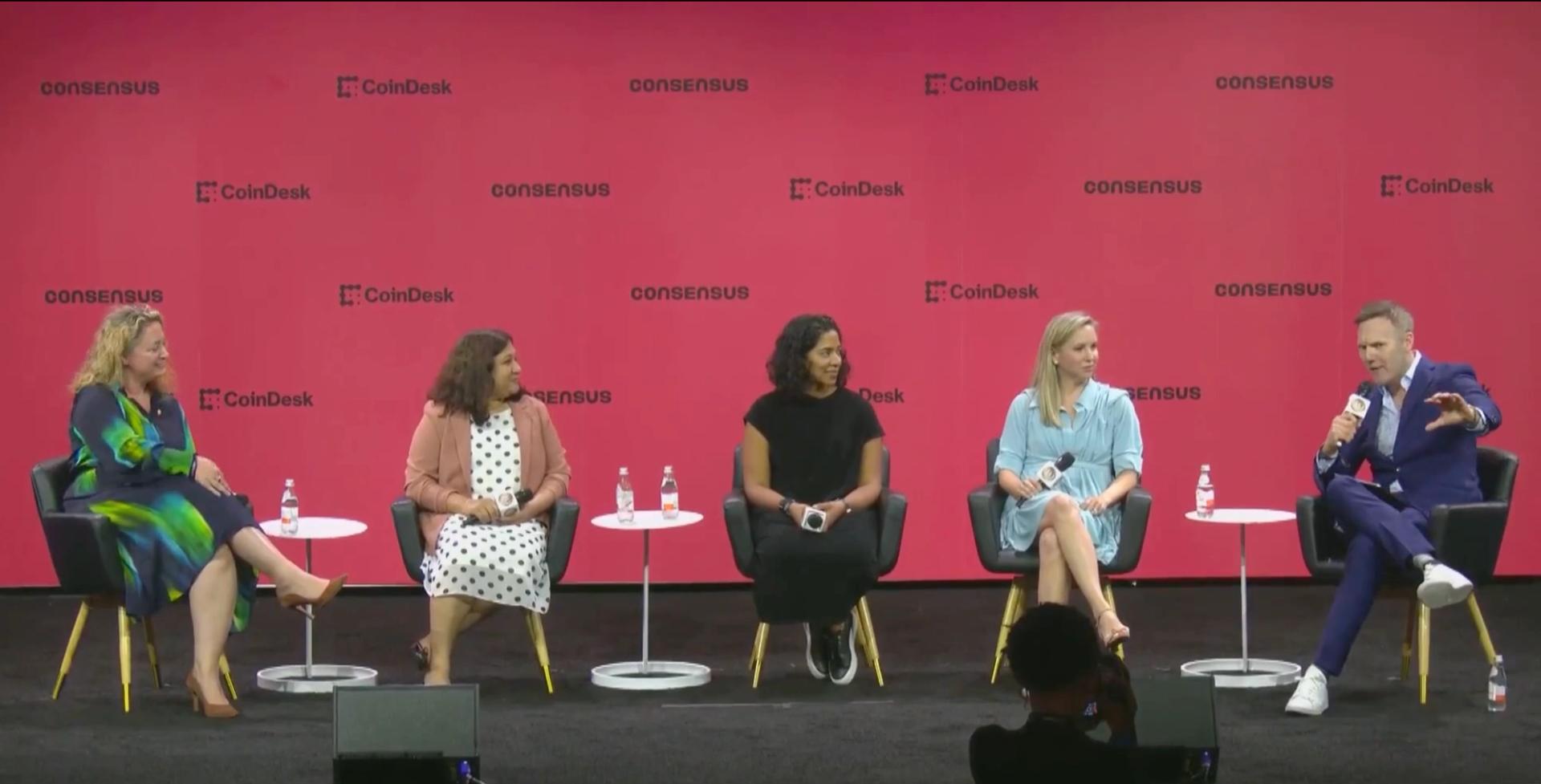
The recent discussion at Consensus Miami featuring executives from major financial platforms like PayPal, Robinhood, Public.com, and 248 Ventures underscored a critical theme in the evolution of cryptocurrency adoption: transparency must take precedence over mere technological advancement. This strategic pivot towards user-centric practices not only reshapes the crypto landscape but also aligns with broader macroeconomic trends affecting financial markets globally.
Market Context
The cryptocurrency market has seen significant volatility over the past few years, influenced by regulatory crackdowns, market speculation, and rapid technological innovations. This backdrop has created a complex environment for retail investors, who often find themselves overwhelmed by the pace of change and the intricacies of digital assets. In this context, the call for increased transparency is not just a suggestion but a necessity for fostering trust and ensuring sustainable growth in crypto adoption.
According to industry leaders, the path to successful integration of cryptocurrency into mainstream finance involves a deliberate, measured approach. Moving too quickly can alienate potential users who may feel lost or skeptical about the technologies being thrust upon them. Instead, educating users about the underlying principles of blockchain, the mechanics of cryptocurrency transactions, and the implications for personal finance can demystify these assets and build confidence in their adoption.
SWOT Analysis
To better understand the forces at play in this evolving landscape, let's conduct a SWOT analysis.
Strengths
- Established Brands: Companies like PayPal and Robinhood have massive user bases and can leverage their reputations to encourage crypto adoption.
- User-Friendly Interfaces: Many of these platforms are designed with user experience in mind, making crypto more accessible.
Weaknesses
- Complexity of Technology: The sophisticated nature of blockchain can deter less tech-savvy users.
- Regulatory Hurdles: Ongoing regulatory uncertainties can create apprehension among potential investors.
Opportunities
- Growing Interest in Digital Assets: As more individuals look to diversify their portfolios, there is an inherent opportunity for crypto adoption.
- Innovation in Financial Products: The development of new financial instruments that incorporate crypto can attract institutional investors and further legitimize the asset class.
Threats
- Market Volatility: Price swings can deter retail investors who prefer stability in their investments.
- Public Perception: Ongoing scandals and security breaches in the crypto space can lead to negative public sentiment, undermining trust.
Impact on Investors
For investors, the emphasis on transparency heralds a shift in how they interact with crypto assets. By advocating for a more controlled, user-centric approach, executives are signaling to the market that they prioritize user education and empowerment. This could mean that platforms will implement more robust educational resources, clearer communication regarding risks, and enhanced security protocols to protect user assets.
Moreover, the call to “show your work” reflects a broader trend towards accountability in financial services. As retail investors become more informed and demanding, companies that fail to meet these expectations may find themselves losing market share to competitors who prioritize transparency and user trust.
In the long run, the integration of transparency into crypto transactions and services may cultivate a more stable investment environment, ultimately attracting a wider demographic of users. As trust builds, investment flows into the space could increase, potentially stabilizing price volatility and fostering a more mature market.
Conclusion
As the dialogue around crypto at Consensus Miami illustrates, the future of cryptocurrency adoption hinges not solely on the advancement of technology but on the transparency and trust established between providers and users. By slowing down and prioritizing user education and control, the industry can create a more welcoming environment for retail investors. This, in turn, could lead to sustainable growth and a deeper integration of cryptocurrency into everyday financial practices. As we move forward, it is crucial for companies to heed these insights and adapt their strategies accordingly.