 Go Back

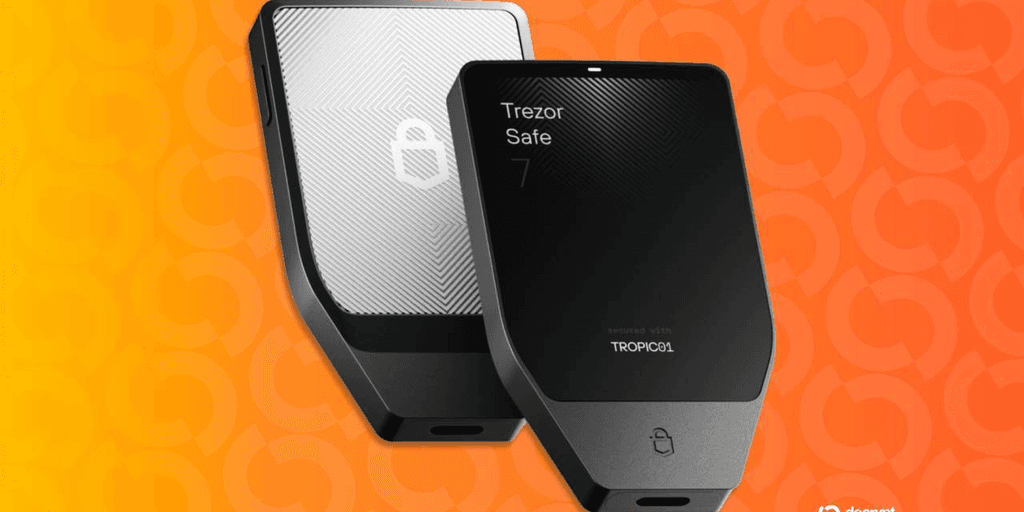
Trezor Exposes Hardware Wallet Vulnerability: What You Need to Know
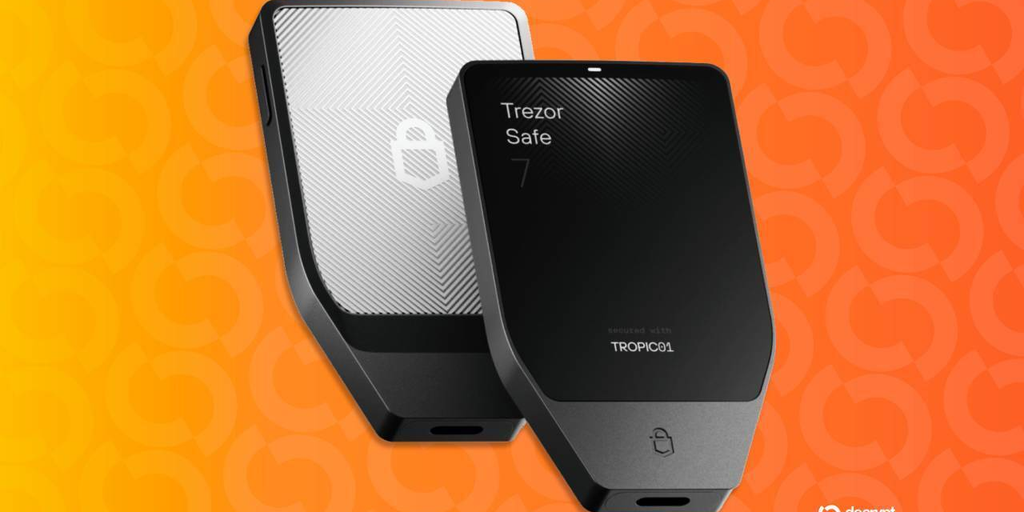
The crypto landscape is heavily reliant on security, particularly regarding hardware wallets that hold users' digital assets. Recently, Trezor, a leading hardware wallet provider, reported a vulnerability in its TROPIC01 Secure Element chip, identified during an audit by the Ledger Donjon team. Although Trezor assures that user funds remain safe, this revelation invites scrutiny into the security measures of hardware wallets and their implications for investors and users alike.
Quick Take
| Feature | Details |
|---|---|
| Vulnerability Discovered | TROPIC01 Secure Element chip |
| Conducted By | Ledger Donjon team |
| Trezor's Response | Assured funds are secure |
| Impact on User Trust | Potential erosion of confidence in hardware wallets |
Understanding the Vulnerability
The TROPIC01 Secure Element chip is integral to the security framework of Trezor wallets, which utilize it to secure private keys and facilitate safe transactions. The vulnerability, while noted as significant by those familiar with hardware security, is characterized by Trezor as non-threatening to user funds. However, the mere existence of such a vulnerability raises critical questions about the robustness of security protocols within the hardware wallet sector.
Market Context
Hardware wallets like Trezor and Ledger have become invaluable in the cryptocurrency ecosystem, allowing investors to store their digital assets offline, away from the perils of online hacks. The revelation of vulnerabilities like Trezor's can influence market sentiment, particularly among retail investors who may not fully understand the complexities of hardware security.
As crypto adoption increases globally, the demand for reliable security solutions will only heighten. A breach or vulnerability can trigger a rush of users seeking to understand their security measures, potentially affecting the overall market dynamics. The trust factor in these devices is paramount, and any chink in the armor can lead to broader implications, including declining sales and increased regulatory scrutiny.
Historical Context of Hardware Wallet Security
The hardware wallet market has witnessed several incidents over the years that highlight ongoing security challenges. For instance, Ledger faced its own security breach in 2020, which exposed personal user data, raising alarms about the safety of using hardware wallets in general. Such occurrences lead to a critical examination of the technology and foster improvements in security protocols.
Trezor's vulnerability is not an isolated incident but a part of an ongoing dialogue about security in the cryptocurrency space. This history underscores a vital tendency among hardware wallet manufacturers to continually update and enhance their offerings in light of emerging threats.
Impact on Investors
For investors, the announcement of a hardware wallet vulnerability can be particularly unsettling. The perceived safety of using hardware wallets as a means of securing cryptocurrencies is foundational to user confidence. Here are the potential impacts:
- Erosion of Trust: Even with assurances from Trezor, users may hesitate to trust devices that have publicly acknowledged vulnerabilities. This could push some users back to less secure solutions.
- Market Volatility: News of vulnerabilities can lead to market reactions, affecting the price of cryptocurrencies as investors may choose to liquidate their holdings amid fears of compromised security.
- Increased Demand for Regulation: As hardware wallet vulnerabilities come to light, the call for regulatory frameworks to ensure better security protocols may gain momentum. Regulators are increasingly focused on consumer protection in the cryptocurrency sphere.
- Shift in Security Practices: Users may start to adopt more stringent security practices, including diversifying their storage solutions and seeking out wallets with a proven security record.
Conclusion
In a landscape defined by rapid innovation and evolving threats, Trezor’s disclosure of a vulnerability in its Secure Element chip emphasizes the need for continuous vigilance in security practices within the cryptocurrency sector. It also highlights the importance of transparent communication from hardware wallet providers regarding potential risks. For investors, understanding the implications of this vulnerability can aid in making informed decisions about asset protection strategies.
As the crypto world continues to mature, the focus on enhancing security measures will be paramount, and providers must prioritize building user trust.
Tags
- Trezor
- Hardware Wallets
- Crypto Security
- Vulnerabilities
- Ledger
- Investor Awareness