 Go Back

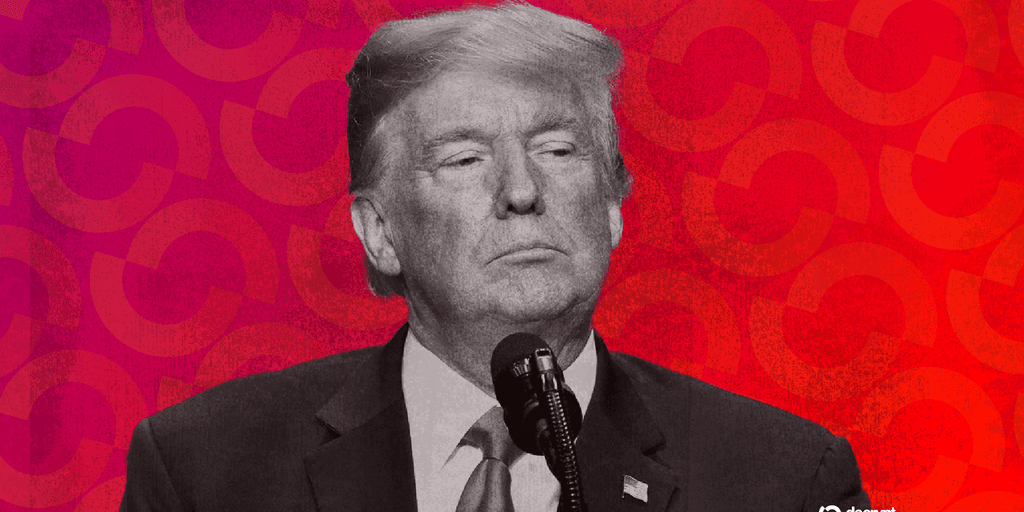
Trump Administration Takes Aim at Prediction Markets: Implications Ahead
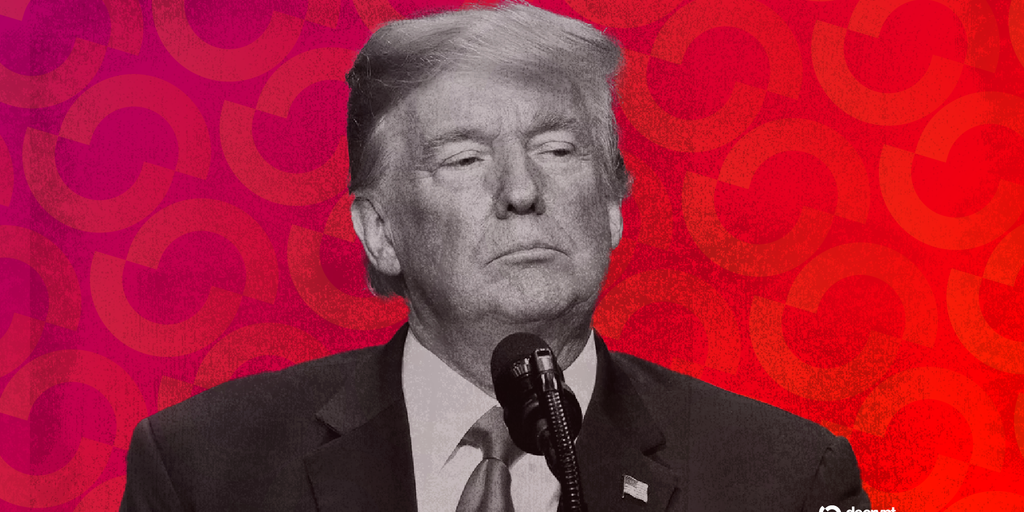
The recent lawsuits filed by the Trump administration, in collaboration with the Justice Department and the Commodity Futures Trading Commission (CFTC), have introduced a significant shift in the landscape of prediction markets. The lawsuits target regulations in Illinois, Arizona, and Connecticut, marking a bold move to liberate these markets from restrictive state gambling laws. This development poses intriguing questions about the future of prediction markets and their integration within the broader financial ecosystem.
Quick Take
| Aspect | Details |
|---|---|
| Lawsuits Filed | Illinois, Arizona, Connecticut |
| Regulatory Body | Joint effort by the Justice Department and the CFTC |
| Objective | To free prediction markets from state gambling regulations |
| Significance | Potentially opens up new financial instruments and investment opportunities in prediction markets |
The Good: A New Frontier for Prediction Markets
The push to deregulate prediction markets could lead to a renaissance in this niche but growing segment of the financial ecosystem. Here are several positive aspects of this development:
- Enhanced Legitimacy: By aligning prediction markets with federal regulations, there is an opportunity to legitimize these platforms, attracting institutional investors who have been cautious due to regulatory uncertainties.
- Innovation and Expansion: A favorable regulatory environment could spark new technological advancements and innovative products in prediction markets. This movement may encourage the development of decentralized prediction markets that leverage blockchain technology, further enhancing transparency and security.
- Economic Insights: Prediction markets have the potential to accurately aggregate diverse opinions and information about future events, providing invaluable insights for investors, policymakers, and researchers alike.
The Bad: Potential Risks and Challenges
While the deregulation of prediction markets has its advantages, several challenges and risks could hinder its success:
- Regulatory Pushback: States have historically been resistant to changes in gambling laws, which may result in significant legal battles that could delay or derail federal initiatives.
- Market Manipulation: Without proper oversight, prediction markets could be susceptible to manipulation and fraud, undermining their integrity and attracting negative scrutiny from regulators.
- Public Perception: The association of prediction markets with gambling could negatively impact their acceptance among the general public and traditional investors. The messaging around these platforms will be critical in shaping their future.
The Ugly: Historical Context and Future Predictions
The path toward deregulating prediction markets is fraught with historical context that can inform future developments. The concept of prediction markets dates back to the early 2000s, with platforms like Intrade and the Iowa Electronic Markets leading the way. However, the collapse of Intrade in 2013 due to regulatory issues served as a cautionary tale, highlighting the vulnerability of prediction markets in a patchwork regulatory landscape.
Moving forward, the Trump administration's lawsuits could serve as a catalyst for a broader movement toward deregulation in financial markets, particularly in the realm of digital assets and cryptocurrencies. As prediction markets gain momentum, their evolution will likely mirror the trajectories of other disruptive financial technologies.
Market Context
The current global macroeconomic landscape is characterized by volatility and uncertainty, further amplified by ongoing geopolitical tensions and the impact of the COVID-19 pandemic. In such a climate, the demand for innovative financial instruments that allow investors to hedge risks and speculate on future events is likely to rise.
Prediction markets, by offering a platform for these activities, could see increased interest from both retail and institutional investors. As traditional investment avenues become more saturated or uncertain, prediction markets could provide an alternative that aligns with the growing appetite for alternative investments.
Impact on Investors
The potential emergence of a regulated framework for prediction markets brings both opportunities and risks for investors:
- Diversification: Investors could access new assets that allow for diversification beyond traditional stocks and bonds. This diversification could mitigate risk and enhance portfolio performance.
- Speculation Opportunities: For those willing to take risks, prediction markets can offer attractive opportunities to engage in speculation based on future events, whether they are political outcomes, economic indicators, or even sports results.
- Increased Access: A more open regulatory environment could lead to more platforms and products being available, providing investors with a wider array of choices.
In summary, the Trump administration’s legal action to deregulate prediction markets represents a pivotal moment that could reshape the financial landscape. While challenges and risks remain, the potential benefits for investors and the economy at large cannot be ignored. As these developments unfold, stakeholders will need to stay informed and agile to navigate the changing terrain of prediction markets and their implications for the financial ecosystem.