 Go Back

Trump Supports CFTC Control Over Prediction Markets Amid State Tensions
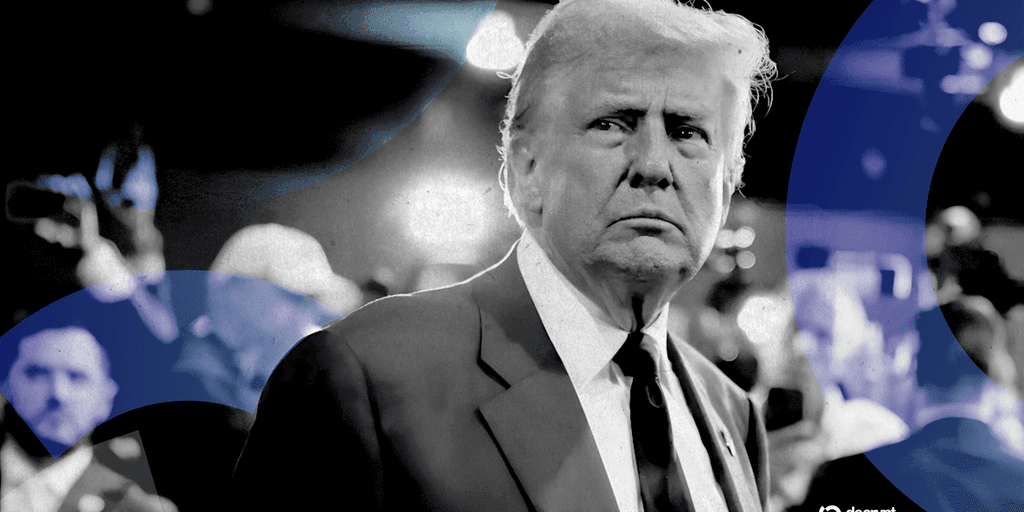
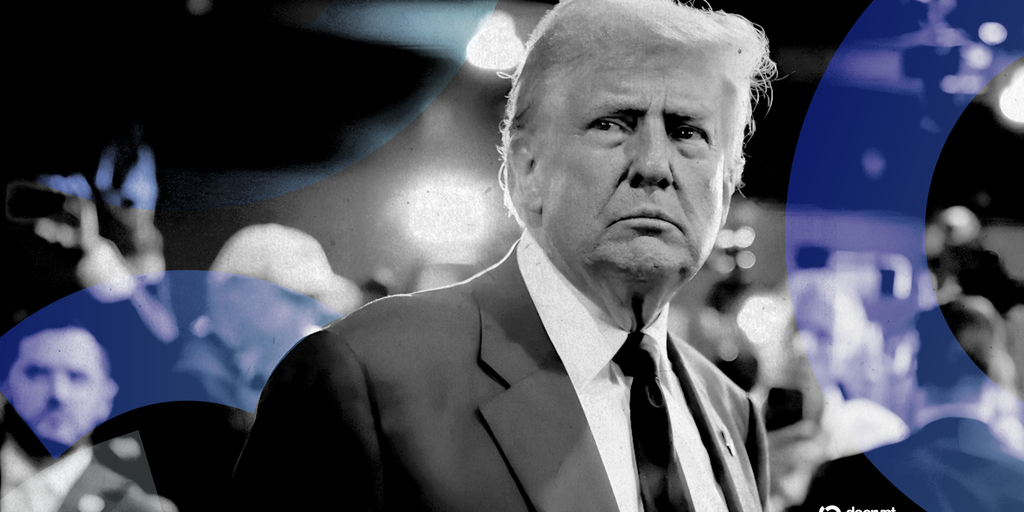
In a significant development, former President Donald Trump has publicly backed the Commodity Futures Trading Commission (CFTC) in its pursuit of regulatory authority over prediction markets. This endorsement comes at a time when various states are attempting to impose their own gambling laws on these markets, creating a contentious regulatory landscape.
Quick Take
| Aspect | Details |
|---|---|
| Presidential Support | Trump endorses CFTC oversight |
| State Response | States push for their own gambling regulations |
| Market Implications | Potential for federal oversight over prediction markets |
| Investor Impact | Increased regulatory clarity and compliance challenges |
| Future Projections | Likely shift towards centralized regulation |
The Good, The Bad, The Ugly
The Good
Trump's endorsement of the CFTC's role in regulating prediction markets can be seen as a positive step towards creating a more standardized and clear regulatory framework. The CFTC has experience in overseeing futures and derivatives markets, which may lend stability and predictability to the operation of prediction markets. This federal oversight could provide a mechanism for legal protection for participants, enhancing confidence in these markets.
Moreover, a unified regulatory approach could foster innovation within prediction markets, enabling them to flourish without the hindrance of disparate state regulations. Investors may benefit from a clearer understanding of compliance requirements, thus potentially increasing participation from institutional players who have been reluctant to engage due to regulatory uncertainties.
The Bad
On the flip side, heavy-handed federal regulation may dampen the entrepreneurial spirit that often drives innovation in the cryptocurrency and prediction market sectors. State-level regulations can sometimes provide flexibility that federal oversight might stifle. Additionally, the term ‘scum’ used by Trump in reference to state officials who are advocating for their own regulatory frameworks raises concerns about the political climate surrounding this issue. Such rhetoric could lead to further polarization among states and may hinder collaborative efforts to find a balanced regulatory solution that encompasses both federal and state interests.
The Ugly
The ongoing struggle between federal and state regulators over prediction markets could result in a fragmented marketplace where businesses are forced to adapt to rapidly changing regulatory environments. This could lead to increased legal costs for companies trying to navigate the complex compliance landscape, potentially driving smaller players out of the market. Furthermore, if the CFTC's authority is extended without adequate checks and balances, it may lead to excessive regulation that stifles innovation and competition, ultimately harming consumers.
Market Context
The emergence of prediction markets has been fueled by advancements in blockchain technology and the growing interest in decentralized finance (DeFi). These markets allow individuals to bet on the outcomes of various events, ranging from political elections to sports events, and have been hailed as a transformative tool for aggregating information and predicting outcomes. However, their classification as gambling in some states complicates their operational framework, leading to a patchwork of regulations that vary from one jurisdiction to another.
In recent years, there has been a marked uptick in the number of retail and institutional investors participating in these markets. The rapid growth has attracted the attention of regulators who are concerned about potential abuses and the need for consumer protections. With Trump's backing, the CFTC may seek to capitalize on this momentum to impose a federal framework that aligns with existing futures and commodities regulations.
Impact on Investors
The fallout from this regulatory tug-of-war between state and federal authorities could have significant implications for investors. As the CFTC gains authority, compliance requirements may become more stringent, leading to increased operational costs for market participants. Investors may face challenges in understanding and adapting to the changing regulatory landscape, especially those who are accustomed to the more lenient state regulations.
On the other hand, the establishment of clear rules could legitimize prediction markets and attract a broader base of investors. Institutional participants, who have historically been wary of the regulatory uncertainty surrounding these markets, might be encouraged to engage if a solid federal framework is established.
Conclusion
The endorsement of CFTC oversight by Trump signals a potential shift in how prediction markets are regulated in the United States. While there are clear benefits to having a unified regulatory structure, the potential pitfalls of excessive regulation and political posturing must be navigated carefully. Investors and market participants should prepare for potential changes in compliance requirements while also considering the opportunities that a more regulated environment might present. As the situation evolves, staying informed and adaptable will be key for those looking to participate in the dynamic landscape of prediction markets.