 Go Back


Impact of Trump's Iran Address on Bitcoin and Oil Markets
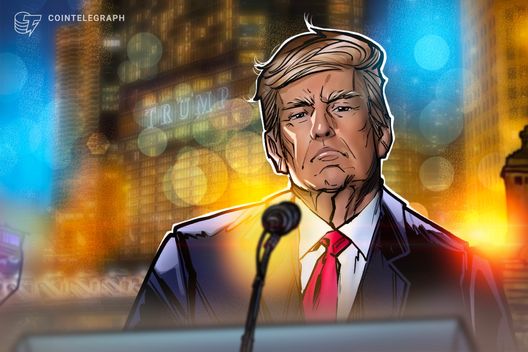
US President Donald Trump's recent address concerning the military's status in Iran has created ripples in the global economic landscape, particularly influencing oil prices and the valuation of Bitcoin. As the president claimed that the military is 'very close' to concluding its military engagement, both commodities reacted, reflecting investor sentiment and broader market dynamics.
Quick Take
| Market Reaction | Bitcoin | Oil |
|---|---|---|
| Price Movement | Dipped | Increased |
| Investor Sentiment | Caution | Optimism |
| Future Predictions | Volatility | Potential Shortage |
The Good
The immediate reaction to geopolitical developments can offer opportunities for savvy investors. In the case of Trump's address, while Bitcoin experienced a dip, it also highlighted its role as a potential hedge against traditional market fluctuations. Many investors view Bitcoin as a digital safe haven, particularly in times of geopolitical uncertainty. In contrast, the rise in oil prices indicates a bullish short-term sentiment among traders who expect supply constraints if military action escalates.
Moreover, a decisive conclusion to the military engagement in Iran could stabilize oil prices in the long run, which can influence economic growth positively. A more stable oil market can lead to increased consumer spending, which in turn can stimulate the economy. Bitcoin's decentralized nature may attract interest as a hedge against inflation and currency devaluation, especially if tensions continue to influence fiat currencies.
The Bad
However, the immediate fallout of Trump's comments wasn't entirely positive for Bitcoin. The cryptocurrency's dip in value suggests that market participants remain wary of regulatory pressures and the ongoing volatility that characterizes the crypto market. The relationship between Bitcoin and oil prices remains complex. Historically, Bitcoin has shown both positive and negative correlations with oil prices, depending on the prevailing economic conditions.
For oil investors, while the rise in prices may seem favorable, it also carries risks. An increase in oil prices can lead to higher inflation, which could erode purchasing power if wages do not keep pace. Furthermore, any sustained military action in Iran could lead to further volatility in oil prices, making it a dangerous investment for the short-term trader.
The Ugly
The broader implications of geopolitical instability are often detrimental to both traditional and digital asset markets. Heightened military tensions can lead to market panic, causing widespread sell-offs in both oil and Bitcoin as investors rush to liquidate their holdings. This behavior underscores the fragile nature of investor confidence in uncertain environments. Prolonged military conflict in the region could lead to sustained increases in oil prices, impacting global economies significantly. Conversely, Bitcoin could suffer from increased scrutiny and regulatory pressures as governments react to market movements, leading to more pronounced volatility.
Market Context
The current geopolitical climate is fraught with uncertainty. Oil has historically been sensitive to military actions in the Middle East due to its critical role in global supply chains. Trump’s assertion that the military is close to wrapping up its engagement could lead to short-term price spikes in oil, but the potential for long-term volatility remains.
Bitcoin, on the other hand, continues to carve its identity amidst these events. The cryptocurrency has been increasingly adopted as an alternative asset, particularly appealing during times of fiat instability. Nevertheless, Bitcoin's volatility in response to geopolitical events illustrates its maturing yet still unpredictable nature.
Impact on Investors
Investors need to stay informed about both the macroeconomic and geopolitical landscapes. Trump's statements serve as a reminder of how intertwined global events are with financial markets. Here are some considerations for investors:
- Diversification: Investors should consider diversifying their portfolios to mitigate risks associated with geopolitical events.
- Hedging: Bitcoin can be viewed as a hedge, but it is essential to understand its volatility.
- Market Sentiment: Pay attention to how news events influence market sentiment, as this can lead to rapid price movements.
In summary, while Trump's address regarding Iran may have created short-term fluctuations in Bitcoin and oil prices, the long-term implications on the economy and investor sentiment necessitate a more nuanced understanding. Investors must navigate these choppy waters with a careful strategy, recognizing both the opportunities and risks inherent in such a volatile landscape.