 Go Back

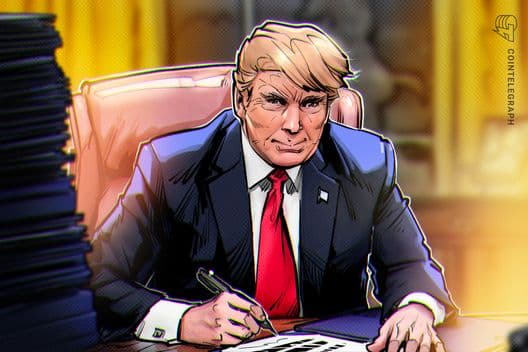
Trump's Signature on US Currency: A Historic Shift in Tradition
The recent announcement by the Treasury Department that US President Donald Trump will have his signature added to US currency, starting with the $100 bill in June, marks a significant deviation from a tradition that has been in place since 1861. This unprecedented move opens the door to numerous implications, not only for the currency itself but also for the broader economic landscape, especially in the context of cryptocurrency and digital assets.

Quick Take
| Aspect | Details |
|---|---|
| Tradition | Breaking a 162-year-old norm |
| First Bill | $100 bill scheduled for June |
| Economic Context | Potential impacts on inflation and monetary policy |
| Investor Sentiment | Could shift perceptions of stability in USD |
| Crypto Market | Increased interest due to macroeconomic changes |
Market Context
The addition of Trump's signature to US currency is not merely a cosmetic change; it serves as a reflection of the current political climate and the ongoing debates surrounding fiscal policy. Historically, the design of US currency has been a symbol of stability and continuity. By altering this design, the administration may be attempting to instill a sense of personal connection between the government and the currency it issues.
In the cryptocurrency realm, such shifts in traditional currency can trigger reactions among investors and market participants. The addition of a political figure's signature to fiat currency may breed skepticism regarding the stability of the dollar, especially among crypto enthusiasts who have long advocated for decentralized, non-government-controlled assets.
SWOT Analysis
Strengths
- Symbol of Authority: The signature may reinforce the authority of the current administration, potentially boosting confidence among certain investor demographics.
- Public Interest: This bold step may generate increased interest in US currency, leading to higher engagement among citizens and collectors alike.
Weaknesses
- Uncertainty: Many might view this move as a politicization of the dollar, which could undermine its traditional stability.
- Distrust in Value: As the dollar’s appearance changes with political winds, trust in its long-term value may wane among traditional investors.
Opportunities
- Digital Currency Integration: This could pave the way for discussions about integrating digital currencies with traditional ones, further bridging the gap between fiat and cryptocurrencies.
- Market Speculation: Investors may begin to speculate on potential devaluation of the dollar, leading to increased investment in alternative assets such as cryptocurrencies.
Threats
- Inflation Concerns: If the perception of the dollar changes, inflation fears may heighten, impacting consumer behavior and spending.
- Crypto Adoption: A significant portion of the population may see this as a reason to shift towards cryptocurrencies, which could lead to an accelerated decline in trust in US fiat currency.
Impact on Investors
Investors must pay close attention to this historic change, as it has the potential to reshape perceptions around the US dollar. For seasoned investors, this could signal a time to reassess their portfolios and consider diversifying into cryptocurrencies or other alternative assets. The possibility of a declining trust in fiat currency can lead to increased volatility in the market, and thus, investing in cryptocurrencies—often viewed as a hedge against fiat instability—could become more appealing.
In addition, the macroeconomic implications of this shift cannot be ignored. Analysts and economists will be watching closely to see how this move influences inflation rates, interest rates, and overall economic sentiment. The long-term effects on investor behavior will be crucial in determining the future landscape of both traditional and digital currencies.
Conclusion
As President Trump prepares to leave his mark on US currency, the implications extend far beyond a mere signature. The intersection of politics, economics, and currency will undoubtedly create ripple effects in the financial markets. Investors should remain vigilant and proactive, considering the potential shifts in trends as the cryptocurrency market continues to evolve. With this historic change, the future of currency may be more uncertain than ever, calling into question the long-held beliefs around the stability and reliability of fiat money in an increasingly digital world.
Tags
- US Currency
- Donald Trump
- Economic Impact
- Cryptocurrency
- Investor Sentiment
- Inflation