 Go Back


Trump's CBDC Ban Refusal: Implications for the Crypto Landscape
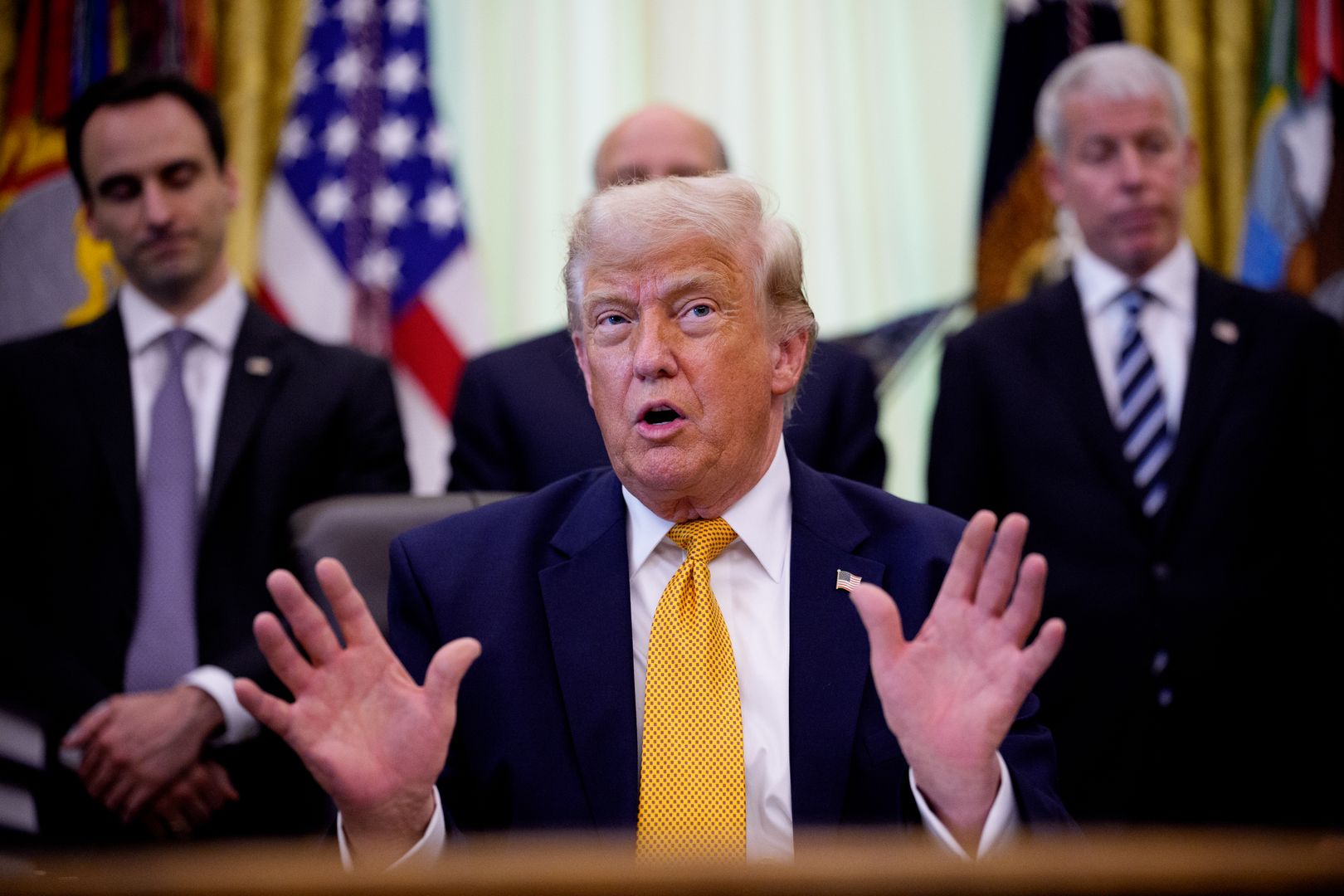
As Congress braced for a celebratory moment with the signing of a bipartisan housing bill, news broke that former President Donald Trump abruptly cancelled the event due to his refusal to sign a law that includes a ban on a Central Bank Digital Currency (CBDC). This unexpected turn of events has sent ripples through the cryptocurrency community, raising questions about the future of digital currencies in the U.S. and the broader implications for the global economy.
Quick Take
| Aspect | Details |
|---|---|
| Event | Trump refuses to sign CBDC prohibition. |
| Context | Linked to a bipartisan housing bill. |
| Potential Implication | Uncertainty in crypto regulation and adoption. |
| Broader Impact | May influence global CBDC projects and regulatory approaches. |
The Good
The refusal to sign a CBDC prohibition could be seen as a positive development for many in the cryptocurrency space. The digital currency landscape has been marked by a push for innovation and decentralization, and prohibiting a CBDC could allow for more room for private cryptocurrencies to thrive. Many investors and advocates argue that a CBDC could lead to further government oversight and control over personal finances, stifling innovation.
Innovation and Competition
Without a CBDC, private sector cryptocurrencies may gain a stronger foothold, fostering competition among them. This could lead to advancements in technology, better user experiences, and ultimately, wider adoption among the general public. The absence of a government-backed digital currency may create a more diversified ecosystem where various cryptocurrencies can coexist and compete.
The Bad
On the flip side, Trump's refusal to sign the CBDC ban introduces a layer of unpredictability into the regulatory framework surrounding cryptocurrencies. The prohibition of a CBDC may shield private cryptocurrencies momentarily, but it also exposes them to potential backlash from a government eager for regulation.
Regulatory Uncertainty
The lack of a clear stance on CBDCs may lead to confusion among investors and businesses. A piecemeal approach to regulation could stifle innovation and deter investment in the sector, as companies may hesitate to launch new projects without a clear understanding of the legal landscape.
The Ugly
Beyond the immediate implications, the refusal to support a CBDC ban could set a dangerous precedent. If the government continues to drag its feet on establishing a comprehensive regulatory framework, it risks falling behind other nations that are rapidly advancing their digital currency initiatives.
Global Competition
Countries like China have already launched their digital yuan, gaining a lead in the race for digital currency dominance. The U.S. risks losing its competitive edge, which could impact not only its economy but also its standing in global financial markets. A slow response to CBDC development could result in increased reliance on foreign digital currencies, diminishing U.S. economic influence.
Market Context
The cryptocurrency market has always been sensitive to regulatory developments. The uncertainty surrounding CBDCs can influence market behavior, leading to volatility in crypto prices. As investors react to Trump's refusal to sign the CBDC ban, we may witness fluctuations in cryptocurrency valuations as the market digests this news. Additionally, the announcement could incentivize a surge in discussions around alternative monetary systems and decentralized finance (DeFi) solutions.
Impact on Investors
For investors, this refusal presents a dual-edged sword. On one hand, it could signal an opportunity for investing in cryptocurrencies that may flourish without the looming threat of a CBDC. On the other hand, the regulatory uncertainty could drive cautious investors away from entering the market. The turmoil could also lead to increased volatility, offering potential rewards for those willing to take risks but also introducing significant downside risks.
Strategies for Investors
In this unpredictable environment, investors should consider diversifying their portfolios and keeping an eye on regulatory news. Understanding the implications of a CBDC, whether it’s banned or not, is crucial for making informed investment decisions. Staying updated on global trends in digital currencies can also provide strategic insights that may enhance investment outcomes in the crypto market.
In summary, Trump's refusal to sign the CBDC prohibition law is a pivotal moment for the cryptocurrency landscape. While it may encourage innovation and competition within the sector, it also introduces uncertainty that investors should navigate carefully. The global context and potential ramifications highlight the need for a robust dialogue on the future of digital currencies and their regulation.