 Go Back

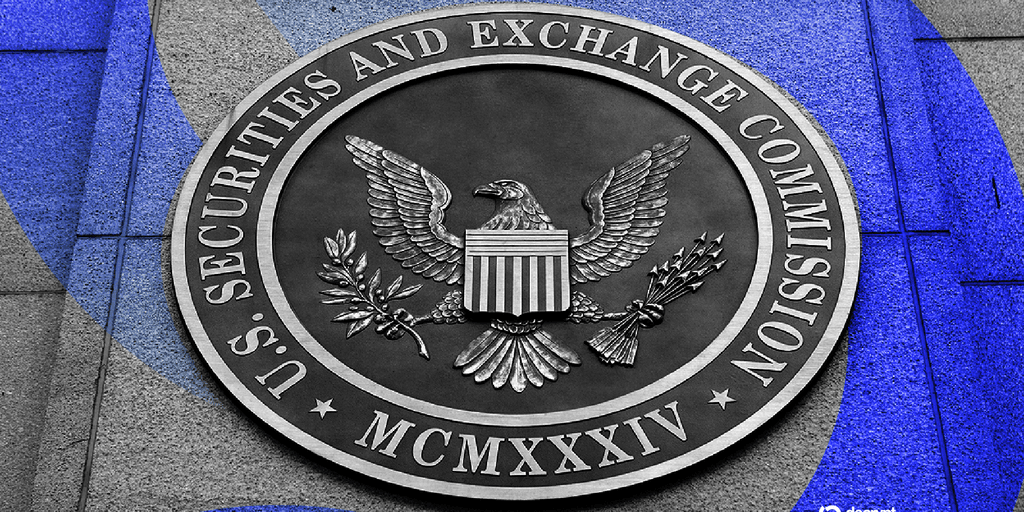
Trump's SEC Eases Crypto Regulatory Landscape: Key Cases Explained
In a significant shift in the regulatory environment for cryptocurrencies, the Trump administration’s Securities and Exchange Commission (SEC) has notably eased its stance towards the crypto industry. By retracting several lawsuits and investigations against prominent crypto firms, the SEC appears to be signaling a new era of regulatory flexibility, which could have lasting implications for the sector. This post will delve into the major cases that have been dropped, the motivations behind this regulatory shift, and its potential impact on the crypto market.
Quick Take
| Key Points | Details |
|---|---|
| Regulatory Shift | SEC dropped major crypto cases under Trump. |
| Key Cases Ended | Coinbase, Ripple among others. |
| Investor Implications | Increased market confidence expected. |
| Future Projections | Potential for a more stable regulatory environment. |
Market Context
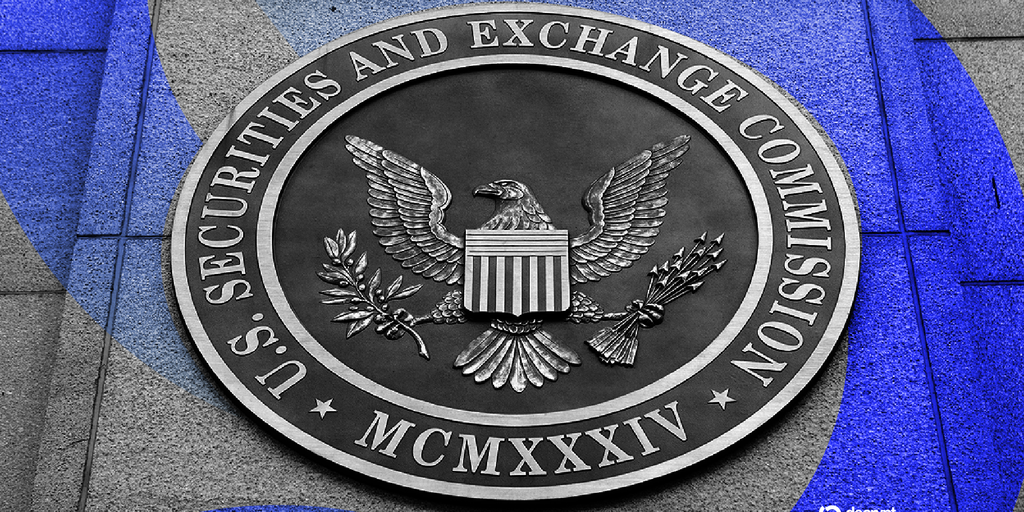
The crypto market has historically been defined by its volatility and the uncertainty surrounding regulatory frameworks. The SEC, under previous administrations, pursued aggressive litigation against various crypto firms, arguing that many tokens were unregistered securities. This approach led to a significant chilling effect on the market, with companies hesitant to innovate or expand due to the looming threat of litigation.
However, President Trump’s SEC has shifted this paradigm. By discontinuing major lawsuits against pivotal players in the crypto space, the SEC is responding to industry concerns and potentially fostering a more conducive environment for growth and innovation. This aligns with broader economic trends where regulators globally are beginning to recognize the importance of adapting to emerging technologies rather than stifling them with rigid regulations.
Key Cases Dropped
Here are some of the notable cases that the Trump administration's SEC has decided to end:
- Coinbase: Initially, the SEC took action against Coinbase regarding its planned lending product. The decision to withdraw can be seen as a nod to the company's influence and the growing importance of decentralized finance (DeFi).
- Ripple: The ongoing case against Ripple Labs has been a point of contention for over a year. The SEC's decision to abandon its pursuit could signify a shift towards a more favorable interpretation of utility tokens.
- Block.one: This firm faced allegations concerning its 2017 ICO, which raised over $4 billion. The SEC's withdrawal hints at a possible reassessment of past ICOs and a move towards regulatory clarity.
SWOT Analysis
To better understand the implications of these developments, a SWOT analysis can provide insights into the current landscape:
Strengths
- Increased Market Confidence: The withdrawal of lawsuits can lead to renewed investor confidence, as firms feel less threatened by the prospect of regulatory action.
- Encouragement of Innovation: With fewer legal constraints, companies may feel emboldened to innovate and develop new products and services within the crypto ecosystem.
Weaknesses
- Uncertainty Remains: While the SEC has dropped significant cases, the regulatory landscape is still fraught with uncertainty. The possibility of future regulatory actions remains a concern for many firms.
- Potential for Inconsistencies: A lack of a cohesive regulatory framework could lead to inconsistencies in how different jurisdictions handle crypto, which can complicate market operations.
Opportunities
- Regulatory Clarity: This shift offers the potential for clearer guidelines which could help in legitimizing the crypto market.
- Market Expansion: The easing of regulatory burdens may allow crypto firms to explore new markets and opportunities that were previously closed off due to legal constraints.
Threats
- Market Manipulation Risks: With less regulatory oversight, there is a heightened risk of market manipulation and fraudulent activities, which could damage investor trust in the long run.
- Political Shifts: The regulatory environment can be significantly affected by political changes. Future administrations may adopt a more aggressive stance against crypto that could lead to new challenges.
Impact on Investors
For investors, the recent changes instituted by the Trump administration's SEC could lead to a more favorable investment climate. With fewer legal battles looming over established firms, investors may be more inclined to allocate funds to crypto assets. This increased market confidence could promote further interest from institutional investors, who have been cautious in the past due to regulatory uncertainties.
Moreover, the possibility of a clearer regulatory framework could lead to increased participation by retail investors, further buoying the market. As confidence grows, we may see a potential surge in the crypto market, leading to price increases and broader acceptance of cryptocurrencies as a legitimate asset class.
Overall, the SEC's decision to ease its regulatory grip on the crypto landscape will likely result in a more vibrant and diverse market, provided that the transition is managed carefully. The evolving narrative surrounding cryptocurrency regulation will continue to attract attention, and both investors and firms must remain vigilant as they navigate this changing environment.