 Go Back


UK House of Lords Urges Bank of England to Rethink Stablecoin Limits
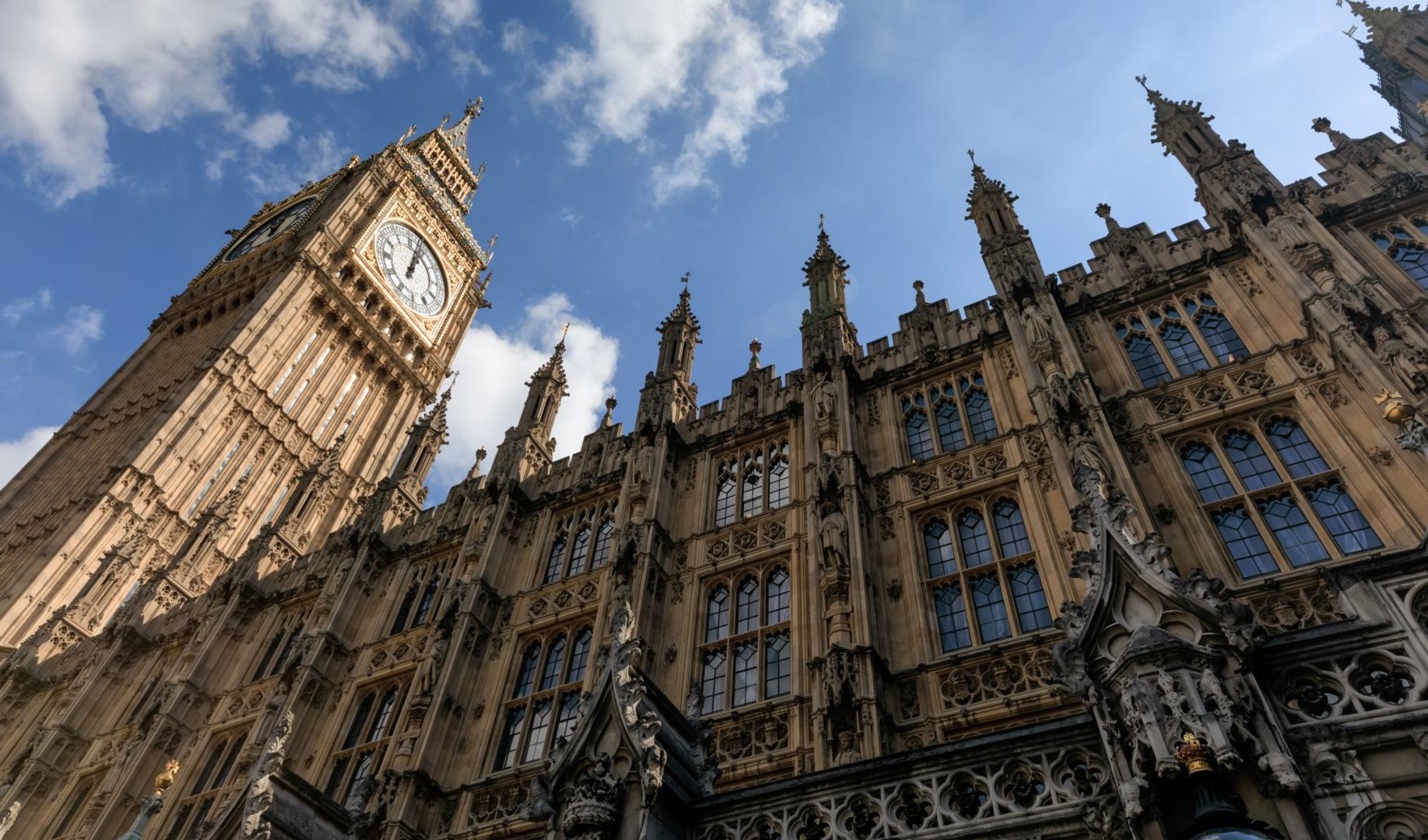
The cryptocurrency landscape in the UK is currently witnessing a pivotal moment. A recent development has emerged from the UK House of Lords, where a committee is urging the Bank of England to reconsider its proposed restrictions on stablecoins. The proposed limits dictate a cap of 20,000 pounds per coin for individual users and a staggering 10 million pounds for businesses. This recommendation could have significant ramifications for the future of cryptocurrencies and their regulation in the UK.
Quick Take
| Proposal | Individual Limit | Business Limit | Committee Action |
|---|---|---|---|
| Stablecoin Restriction | £20,000 | £10,000,000 | Urged reconsideration |
The Current Landscape of Stablecoins
Stablecoins have become an essential part of the cryptocurrency ecosystem, providing a bridge between volatile cryptocurrencies and traditional fiat currencies. They are designed to maintain a stable value, often pegged to major currencies like the US dollar or the British pound. The rise of stablecoins can be attributed to their utility in facilitating trading, remittances, and payments.
As the adoption of cryptocurrencies grows globally, regulatory bodies are scrambling to catch up. The Bank of England's proposed limits reflect a cautious approach toward stablecoin regulation, aiming to mitigate risks associated with money laundering, consumer protection, and financial stability.
Market Context
The UK House of Lords committee's intervention comes at a time when the global economy is grappling with inflation, rising interest rates, and geopolitical uncertainties. Central banks worldwide are exploring digital currencies, yet the lack of clear regulations creates a disparity in how different countries approach stablecoins.
- Global Stability: The push for regulations stems from the need to ensure global financial stability. Countries like the USA and EU are already drafting frameworks for stablecoin regulation. The UK's approach may influence or be influenced by these frameworks.
- Consumer Trust: With stablecoins like Tether and USDC gaining traction, consumer trust in these financial instruments is vital. Overregulation could stifle innovation, while under-regulation could pose risks to consumers and the financial system.
Implications of the Proposed Limits
The proposed limits by the Bank of England could have varied implications:
Impact on Individuals
- Limited Access: Capping stablecoin purchases to £20,000 may dissuade individuals from investing in digital assets, particularly those looking to diversify their portfolios.
- Market Liquidity: Lower individual limits could lead to reduced liquidity in the stablecoin market, impacting their effectiveness as a medium of exchange.
- Future Growth: As cryptocurrencies evolve, restrictive measures may hinder the growth of the digital currency market in the UK, pushing investors to look for opportunities abroad.
Impact on Businesses
- Operational Constraints: Businesses that rely on stablecoins for transactions or liquidity could find the £10 million cap restrictive, limiting their ability to operate efficiently in a global marketplace.
- Innovation Stifling: Companies engaged in blockchain technology and fintech may scale back their innovations due to unclear regulations, impacting the UK's competitive edge in the tech sector.
- Investment Decisions: Investors may hesitate to invest in UK-based companies that face potential operational challenges due to these limits.
Future Predictions
As the regulatory landscape continues to shift, several outcomes are possible:
- Revised Limits: The Bank of England may revise its limits based on this committee's feedback, aligning more closely with international standards.
- Increased Engagement: The dialogue between regulators and the crypto community could intensify, leading to a collaborative approach to developing a sustainable regulatory framework.
- Impact on Innovation: If the UK can manage to strike a balance between regulation and innovation, it could emerge as a global leader in the cryptocurrency sector.
Conclusion
The UK House of Lords' committee urging the Bank of England to reconsider stablecoin limits is a pivotal moment in the ongoing dialogue between innovation and regulation. As the landscape continues to evolve, stakeholders across the board—ranging from individual investors to large corporations—must stay informed and adapt to the shifting tides of regulation in the ever-changing world of cryptocurrency.
Tags
- Stablecoins
- Bank of England
- Regulation
- Cryptocurrency
- Financial Stability