 Go Back


Understanding Crypto Tax: Insights from Coinbase's 2026 Report
In a recent survey conducted by Coinbase in partnership with Cointracker, it was revealed that nearly half of cryptocurrency users lack a fundamental understanding of the tax implications surrounding their digital assets. Specifically, only 49% of respondents correctly affirmed that cryptocurrencies are taxable upon sale. This statistic raises significant concerns not only for individual investors but also for the broader cryptocurrency ecosystem as it grapples with compliance and regulatory challenges.
Quick Take
| Key Findings | Details |
|---|---|
| Survey Conducted By | Coinbase and Cointracker |
| Percentage of Users Who Understand Crypto Taxation | 49% |
| Implications | Compliance challenges, potential penalties for ignorance |
| Overall Trend | Increasing need for education on crypto tax laws |
What Does the Coinbase Survey Reveal?
The Coinbase 2026 Crypto Tax Readiness Report sheds light on a crucial aspect of cryptocurrency investment that is often overlooked: the understanding of tax obligations. With the rapid adoption of cryptocurrencies, there is an alarming disconnect between user engagement and tax compliance. The survey indicates that many investors are not fully aware that transactions involving cryptocurrency, including buying, selling, and trading, trigger tax events.
This lack of understanding can lead to severe consequences, including tax liabilities that investors may not be prepared for. The survey findings underscore the pressing necessity for educational initiatives targeting cryptocurrency users, ensuring they grasp the implications of their transactions.
Market Context
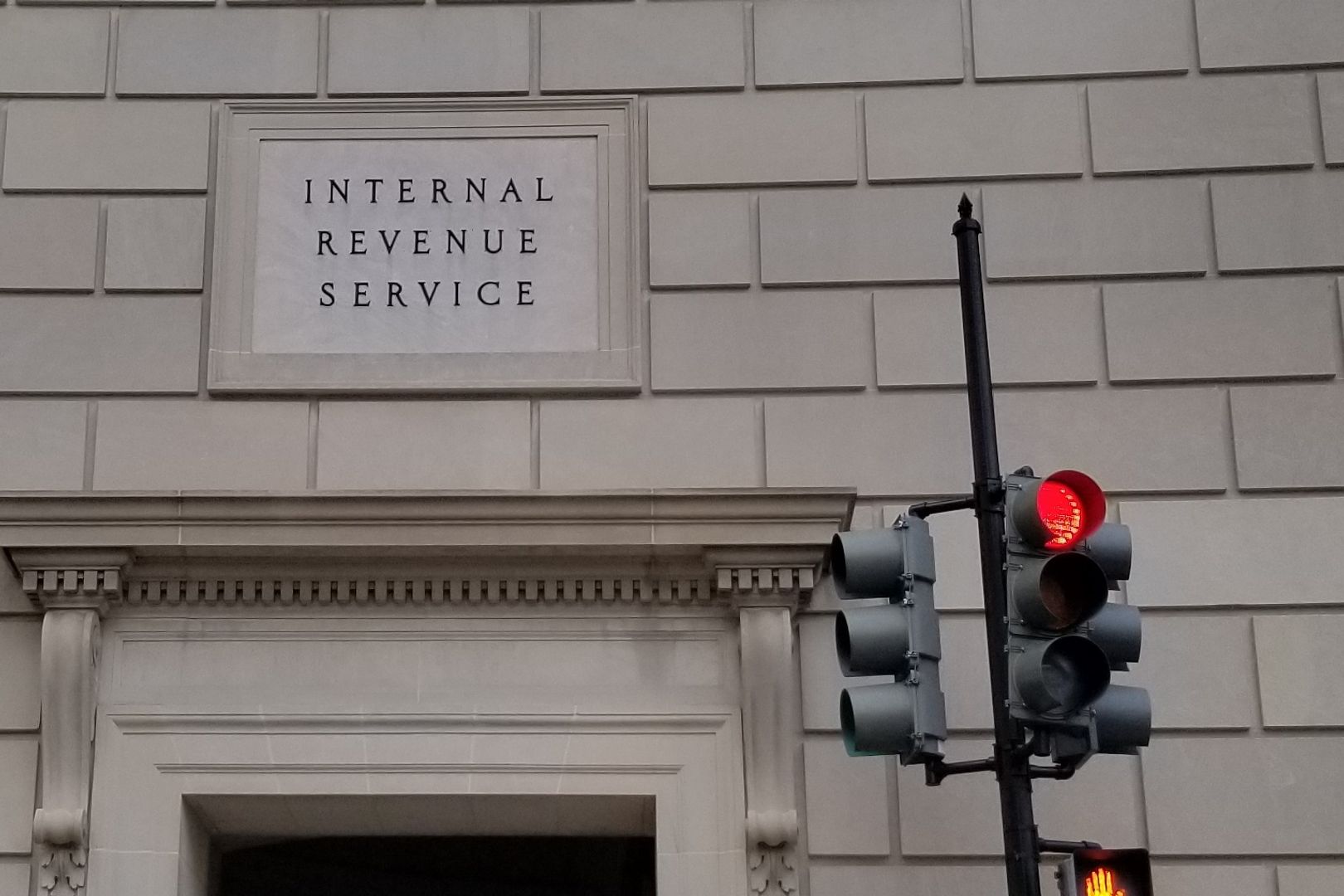
The cryptocurrency market has undergone significant transformations over the last decade. With the rise of Bitcoin, Ethereum, and countless altcoins, millions of individuals have ventured into digital assets. However, the regulatory landscape has not evolved at the same pace, resulting in confusion regarding tax obligations. In the United States, for instance, the Internal Revenue Service (IRS) has classified cryptocurrencies as property, meaning that capital gains tax applies when they are sold or exchanged.
Furthermore, the IRS has increasingly ramped up its efforts to ensure compliance among cryptocurrency users. With the introduction of tax forms that explicitly inquire about crypto holdings and transactions, investors can no longer afford to remain uninformed about their tax responsibilities. As the market continues to mature, a wave of regulations is anticipated, which will further necessitate clarity in tax reporting.
Why is Understanding Taxation Crucial for Investors?
1. Avoiding Penalties
Failure to report taxable events can lead to penalties, fines, and interest charges. The IRS has indicated that they are closely monitoring cryptocurrency transactions, and ignorance of the rules is not a valid defense.
2. Financial Planning
Understanding tax implications allows investors to plan better for their financial future. Proper tax planning can help investors manage their liabilities effectively and make informed decisions regarding their investments.
3. Reputation and Credibility
Investors who demonstrate a clear understanding of their tax obligations can enhance their reputation within the community. This credibility can lead to better investment opportunities and partnerships.
4. Market Stability
A well-informed investor base contributes to market stability. When investors understand the rules, they are less likely to engage in panic selling during tax season, which can lead to significant market fluctuations.
Impact on Investors
The ramifications of the Coinbase 2026 report extend beyond individual investors. Institutional players and cryptocurrency exchanges must also take note of these findings. As tax compliance becomes increasingly scrutinized, the need for transparency and educational resources will grow.
Investors, both retail and institutional, should proactively seek out reliable information regarding tax obligations. This proactive approach can mitigate risks associated with penalties and foster a more robust regulatory environment, ultimately benefiting the entire cryptocurrency ecosystem.
The Way Forward
For the cryptocurrency community, the path ahead involves collaboration among exchanges, regulatory bodies, and educational platforms. Creating accessible resources and guidance around crypto taxation can empower users to engage responsibly with their investments. As more individuals enter the cryptocurrency space, it’s vital that they understand the full spectrum of what it means to invest in these assets, especially regarding tax implications.
The Coinbase survey serves as a wake-up call, emphasizing that as the market evolves, so too must the education surrounding it. The integration of tax knowledge will not only protect the interests of individual investors but will also contribute positively to the overall health of the cryptocurrency market. By fostering a culture of compliance and understanding, the industry can navigate the complexities of taxation and regulation more effectively, paving the way for sustainable growth in the years to come.