 Go Back


Understanding Cryptocurrency Investment: A Long-Term Perspective
Quick Take
| Aspect | Details |
|---|---|
| Global Macroeconomic Factors | Inflation, Regulation, Technological Advancements |
| Key Investment Strategies | Dollar-Cost Averaging, Diversification, Research |
| Risks and Challenges | Market Volatility, Regulatory Uncertainty, Security Risks |
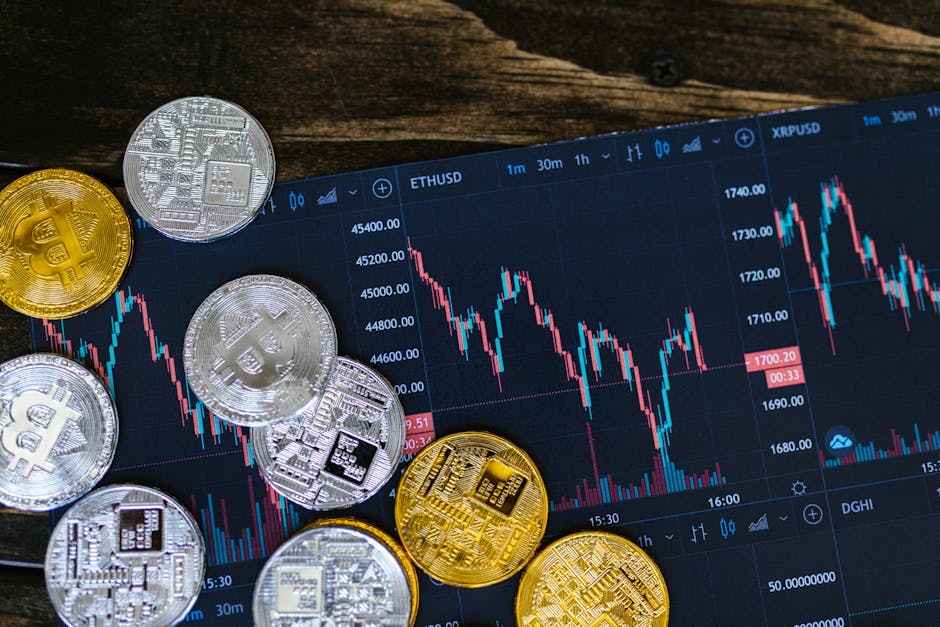
As cryptocurrencies continue to capture public interest and reshape financial landscapes, understanding how to invest in these digital assets has become crucial for both seasoned and novice investors. This guide delves into the macroeconomic context influencing the crypto market and provides insights into the long-term strategies that can help investors navigate this complex environment.
Market Context
The cryptocurrency market is inherently intertwined with global macroeconomic trends. Economic conditions such as inflation rates, monetary policy changes, and geopolitical events play a significant role in shaping investor behavior and asset prices. In this section, we will break down some of the key macroeconomic factors that are currently influencing the cryptocurrency market:
Inflation Concerns: As traditional fiat currencies experience inflationary pressures, investors may seek refuge in cryptocurrencies as a hedge against depreciating currency value. Bitcoin, often termed 'digital gold', is frequently viewed as a store of value.
Regulatory Landscape: Regulatory developments around the world can lead to significant price fluctuations. Countries are increasingly formulating their frameworks for the crypto economy, which can either boost or hinder market confidence.
Technological Advancements: Innovations in blockchain technology and the rise of decentralized finance (DeFi) platforms have transformed the investment landscape, introducing new opportunities and challenges for investors.
Impact on Investors
Investing in cryptocurrency requires a keen understanding of both its potential and its risks. Here are some strategic considerations for investors looking to enter this market:
1. Investment Strategies
Dollar-Cost Averaging (DCA): A method where investors purchase a fixed dollar amount of a cryptocurrency at regular intervals. This helps mitigate the impact of volatility by averaging the purchase price over time.
Diversification: Just like traditional investments, spreading investments across various cryptocurrencies can reduce risk and increase the potential for returns. This can include investing in established coins like Bitcoin and Ethereum, as well as exploring promising altcoins.
Thorough Research: Staying informed about market trends, technological advancements, and regulatory developments is essential. Investors should utilize resources such as market reports, news articles, and educational content to guide their decisions.
2. Risks and Challenges
Market Volatility: Cryptocurrency markets are known for their extreme volatility. Prices can swing dramatically within short periods, leading to potential gains or devastating losses.
Regulatory Uncertainty: The evolving regulatory environment presents a risk for investors. Regulatory crackdowns could adversely affect market prices and limit the accessibility of certain cryptocurrencies for trading.
Security Risks: Despite advances in security measures, cryptocurrencies are still at risk of hacks and thefts. Investors must use reputable wallets and exchanges and consider additional security measures, such as hardware wallets, to safeguard their assets.
3. Long-Term Perspective
Investors should maintain a long-term view when it comes to cryptocurrency investments. While short-term trades may yield quick profits, the real potential for wealth accumulation lies in holding assets over extended periods. Historical data indicates that many cryptocurrencies have experienced significant price increases over longer time frames despite interim volatility.
Conclusion
The cryptocurrency market is a dynamic and rapidly evolving space influenced by various macroeconomic factors. Understanding these influences, combined with strategic investment approaches, can empower investors to engage with cryptocurrencies more effectively. For those willing to embrace the complexities and challenges of this market, the potential rewards can be substantial. As always, prudent investment practices and thorough research will be key to navigating this exciting landscape.
Tags
- Cryptocurrency
- Investment Strategies
- Market Analysis
- Economic Trends
- Regulatory Environment