 Go Back


Understanding Cryptocurrency: Key Terms for Investors
The cryptocurrency landscape is rich with jargon and specialized concepts that can be daunting for newcomers. Understanding these terms is crucial for anyone looking to navigate this innovative yet volatile market. Below, we break down key concepts and their implications on the broader economy and individual investors.
Quick Take
| Term | Definition |
|---|---|
| Bitcoin | The first and most well-known cryptocurrency. |
| Blockchain | A decentralized ledger technology that underpins cryptocurrencies. |
| Altcoin | Any cryptocurrency other than Bitcoin. |
| Smart Contracts | Self-executing contracts with the terms directly written into code. |
| DeFi | Decentralized finance, a movement to recreate traditional financial systems using blockchain technology. |
| NFT | Non-fungible tokens, unique digital assets verified using blockchain. |
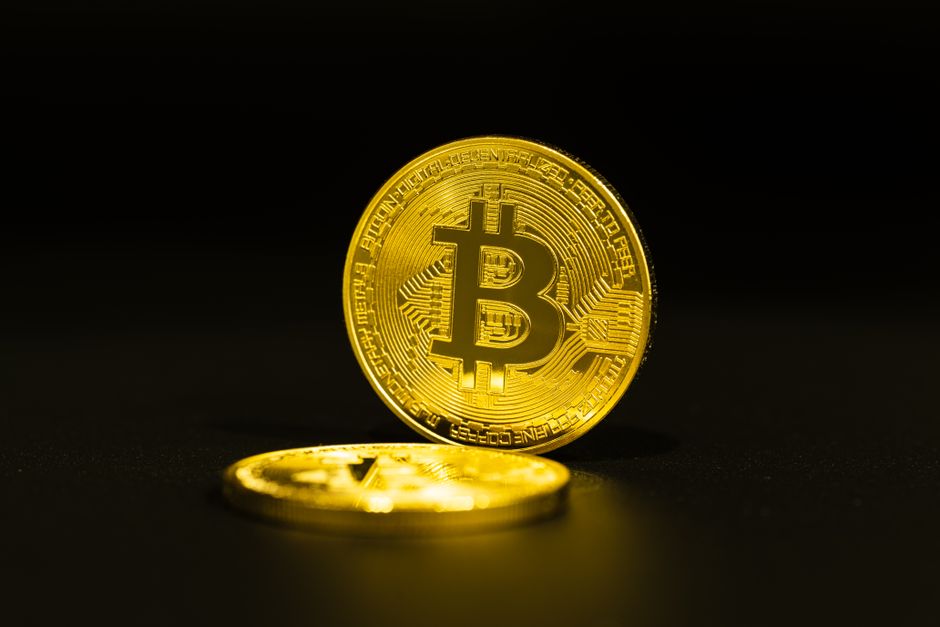
What is Bitcoin and Why is it Important?
Bitcoin, the flagship cryptocurrency, was created in 2009 by an anonymous entity known as Satoshi Nakamoto. It represents a fundamental shift in how we think about currency. Unlike traditional fiat currencies, Bitcoin operates on a decentralized network, which eliminates the need for intermediaries like banks. This has profound implications for the global economy, particularly in regions with unstable currencies or governance.
The Role of Blockchain Technology
At the heart of cryptocurrencies lies blockchain technology—a distributed ledger that records all transactions across a network of computers. Each block in the chain contains a list of transactions, and once recorded, it cannot be altered. This ensures transparency and security, making it a powerful tool not just for currencies but for various applications, including supply chain management and digital identity verification.
What Are Altcoins?
While Bitcoin is the most recognized cryptocurrency, thousands of alternative coins (or altcoins) exist. These coins often aim to improve on Bitcoin’s perceived limitations. For example, Ethereum introduced smart contracts, allowing transactions and agreements to be executed without intermediaries. Other altcoins may focus on privacy, transaction speed, or other specific functionalities, contributing to a diverse ecosystem.
Smart Contracts: The Future of Transactions
Smart contracts are self-executing contracts with the terms of the agreement written into code. They automatically execute when conditions are met, removing the need for intermediaries and reducing transaction costs. This innovation has sparked interest in sectors beyond finance, including real estate and legal agreements, as it promises efficiency and transparency.
What is DeFi and its Impact on Traditional Finance?
Decentralized Finance (DeFi) is an emerging financial technology that uses blockchain-based applications to recreate traditional financial systems—like lending, trading, and insurance—without the need for central authorities. DeFi protocols aim to democratize access to financial services, allowing anyone with an internet connection to participate. This shift could disrupt traditional banking models, especially in developing countries.
NFTs: The Intersection of Art and Technology
Non-fungible tokens (NFTs) have gained immense popularity, representing ownership of unique digital items such as art, music, and more. Unlike cryptocurrencies like Bitcoin, which are interchangeable, NFTs are unique and non-divisible. This uniqueness has opened up new avenues for artists and creators, allowing them to monetize their work in innovative ways and engage directly with their audience.
Market Context
As of now, the cryptocurrency market is undergoing significant transformations influenced by global macroeconomic factors such as inflation rates, monetary policies, and the increasing acceptance of digital currencies by mainstream financial institutions. Central banks are exploring their digital currencies (CBDCs), which could fundamentally change the competitive landscape.
The growing regulatory scrutiny surrounding cryptocurrencies, especially in markets like the United States and Europe, adds another layer of complexity. Investors must navigate a landscape where regulatory frameworks are still being established, which can lead to both opportunities and risks.
Impact on Investors
For investors, understanding these key terms and concepts is not just academic; it is essential for making informed decisions. The volatility of the cryptocurrency market can lead to substantial gains, but the risks must be managed carefully. Investors should consider diversifying their portfolios and staying updated on developments in blockchain technology and regulatory changes.
Additionally, as the market matures, long-term investors may find value in understanding the underlying technology and its potential applications across various sectors. This knowledge can provide a competitive edge in a rapidly evolving environment.
In summary, familiarizing oneself with key cryptocurrency terms is crucial for anyone looking to invest in this dynamic ecosystem. As the world moves towards more digital solutions, embracing these concepts may well be the key to successful investment in the future.