 Go Back


Understanding Tokenization: Insights from House Financial Services Committee
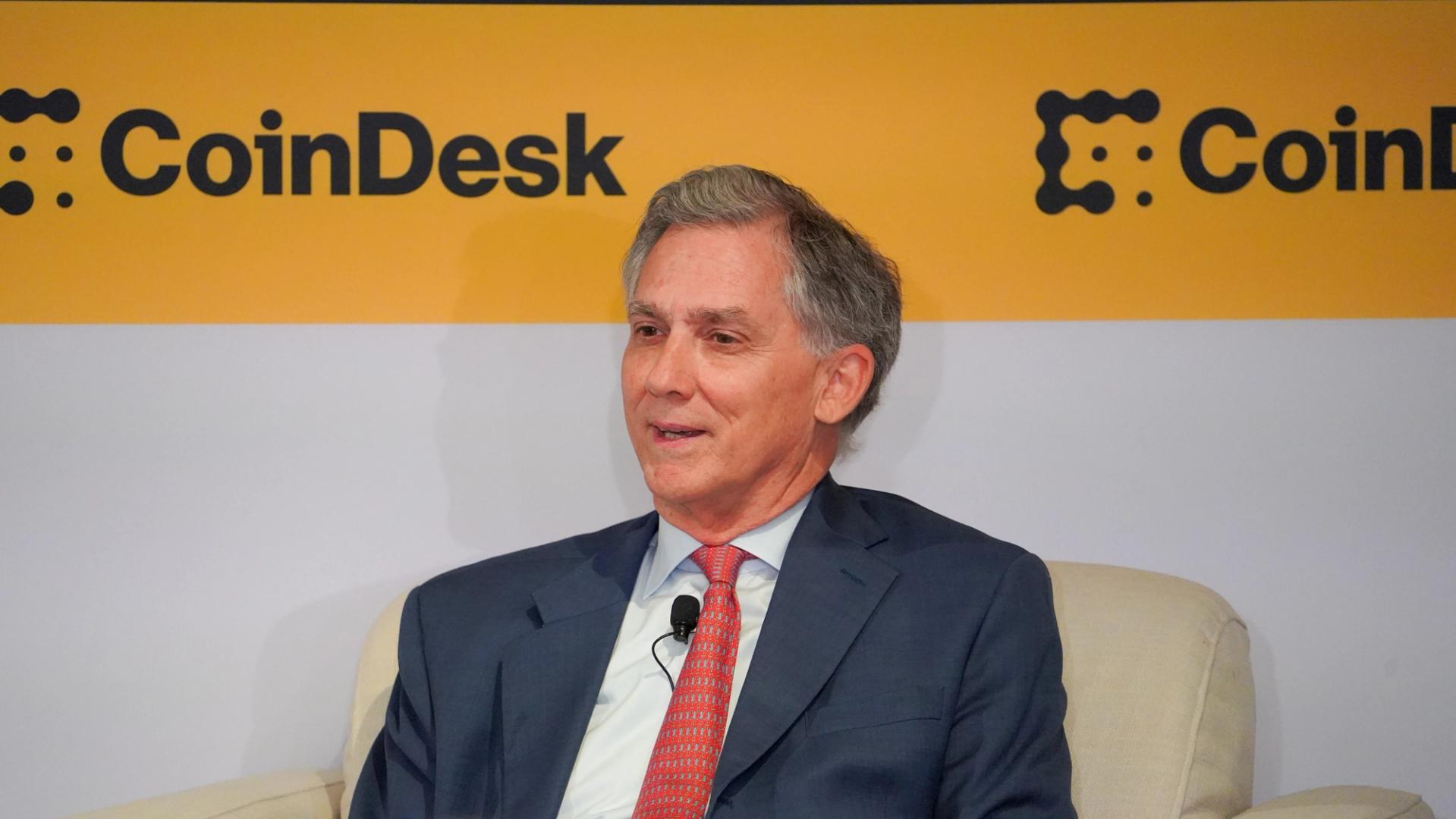
Tokenization is a hot topic in the evolving landscape of cryptocurrencies and digital assets. Recently, Rep. French Hill, the head of the House Financial Services Committee, shared his insights regarding outstanding policy issues related to tokenization in an interview with CoinDesk. As the regulatory framework surrounding cryptocurrencies continues to develop, understanding the implications of tokenization becomes crucial for stakeholders in the industry.
Quick Take
| Aspect | Details |
|---|---|
| Subject | Tokenization in Crypto |
| Key Figure | Rep. French Hill |
| Institution | House Financial Services Committee |
| Main Issues | Policy issues, regulatory framework, crypto landscape |
| Impact on Investors | Evolving regulations could reshape investment strategies |
Market Context
The concept of tokenization refers to the process of converting rights to an asset into a digital token that can be stored, managed, and transferred on a blockchain. This process unlocks liquidity for a wide array of asset classes, including real estate, art, and even intellectual property. The recent remarks from Rep. French Hill underscore the urgency and importance of establishing a robust regulatory framework that governs tokenization.
In a global economy facing various challenges such as inflation, supply chain disruptions, and geopolitical tensions, the ability to tokenize assets offers a new avenue for liquidity and democratization of investment. As traditional financial systems struggle to adapt to the rapidly changing environment, tokenization provides an innovative solution that could bridge the gap between conventional finance and the burgeoning world of cryptocurrencies.
SWOT Analysis
Strengths
- Liquidity Generation: Tokenization has the potential to create liquidity for normally illiquid assets.
- Accessibility: Broadens access to investment opportunities, enabling retail investors to participate in markets previously dominated by institutional players.
- Transparency: Blockchain technology ensures greater transparency and traceability of asset ownership.
Weaknesses
- Regulatory Uncertainty: The lack of a clear regulatory framework may deter traditional investors from engaging with tokenized assets.
- Market Volatility: Cryptocurrencies are notoriously volatile, which could affect the stability of tokenized assets.
- Technology Risks: Vulnerabilities in smart contracts or blockchain networks could expose investors to risks.
Opportunities
- Global Adoption: As governments and institutions recognize the benefits of tokenization, there is significant potential for worldwide adoption.
- Innovative Financial Products: Tokenization opens the door to the creation of new and innovative financial instruments that were not possible in traditional finance.
- Integration with DeFi: The intersection of tokenization and decentralized finance (DeFi) could lead to groundbreaking financial solutions.
Threats
- Regulatory Crackdown: Stricter regulations could hinder the growth of tokenized assets and reduce their attractiveness to investors.
- Market Manipulation: The nascent market for tokenization might attract bad actors looking to exploit vulnerabilities.
- Technological Obsolescence: Rapid technological changes could render existing platforms obsolete without constant innovation.
Impact on Investors
For investors, the evolving landscape of tokenization and the accompanying regulatory discussions spearheaded by figures like Rep. French Hill serve as critical factors to monitor. The shift towards a more structured regulatory environment could enhance investor confidence, potentially leading to increased participation in tokenized assets.
However, investors must remain cautious. The regulatory environment is still in flux, and the potential for regulatory crackdowns exists. As such, thorough due diligence is essential when considering investments in tokenized assets. Investors should keep a close eye on legislative developments and adapt their strategies accordingly.
Conclusion
The insights from the House Financial Services Committee regarding tokenization highlight the intersection of innovation and regulation in the cryptocurrency space. As tokenization continues to gain traction, staying informed about the regulatory landscape and its implications for investors will be imperative. With the potential to reshape the market, tokenization represents both an exciting opportunity and a complex challenge for those navigating the evolving financial ecosystem.