 Go Back


Uniswap and Sui's Declines: Implications for Crypto Investors
Quick Take
| Metric | Uniswap (UNI) | Sui (SUI) | Market Trend |
|---|---|---|---|
| Recent Performance | -4.1% | -4% | Downward |
| Current Market Context | Index Lower | Index Lower | Bearish |
| Investor Sentiment | Cautious | Cautious | Pessimistic |
Understanding the Current Market Dynamics
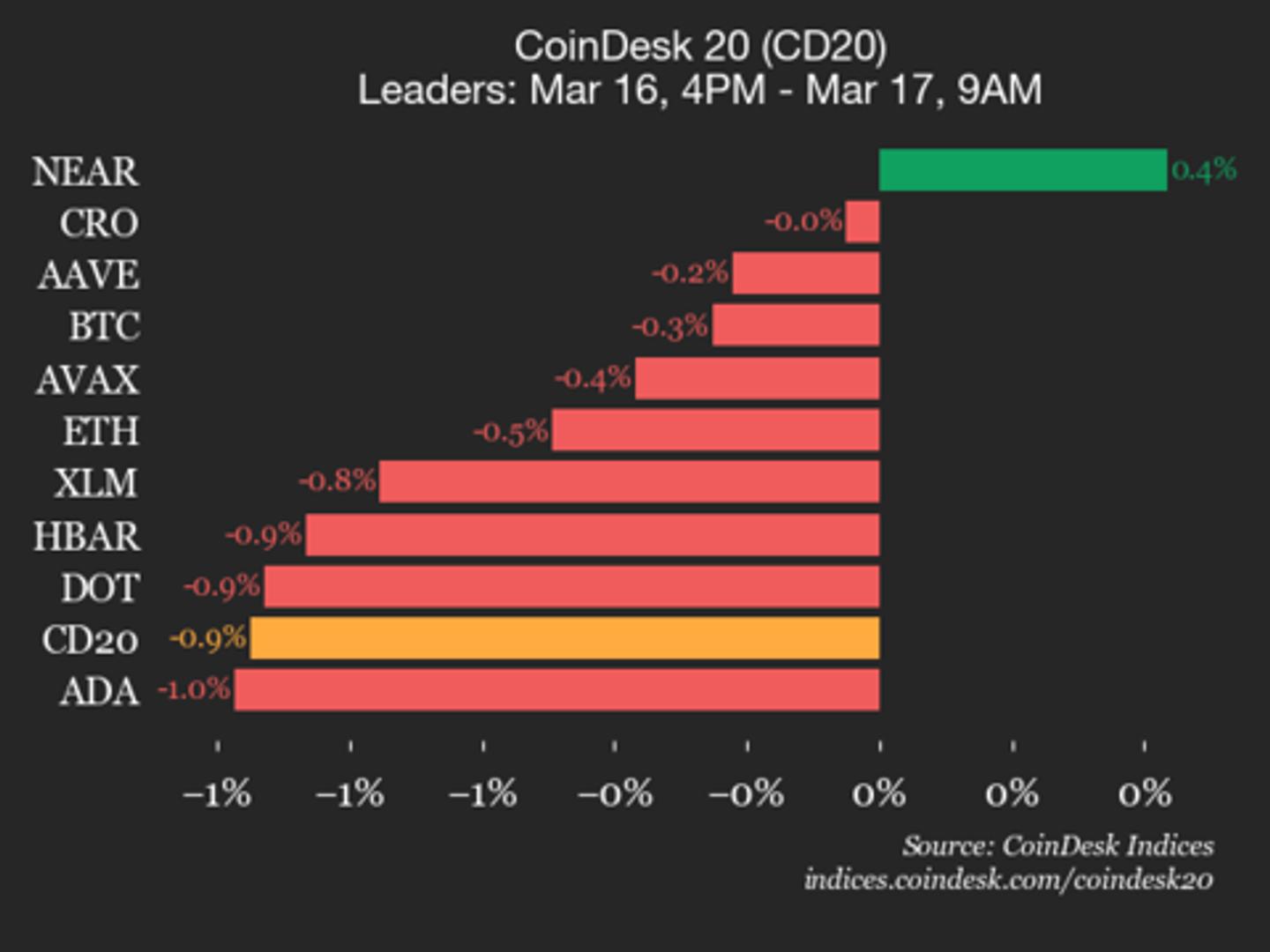
In the realm of cryptocurrency, the performance of specific tokens can often reflect broader market sentiments. Recent updates from CoinDesk indicate that both Uniswap (UNI) and Sui (SUI) have experienced notable declines, with UNI dropping by 4.1% and SUI by 4%. As these tokens contribute to the overall performance of major indices, their underperformance raises important questions regarding market stability and investor confidence.
Market Context
The cryptocurrency market has always been volatile, but recent shifts highlight significant macroeconomic factors influencing price movements. The global economic landscape, characterized by inflation pressures, monetary policy shifts, and geopolitical tensions, plays a crucial role in shaping investor behavior. Recent interest rate hikes by central banks worldwide are likely contributing to bearish sentiments, as investors grapple with the implications of tighter monetary conditions on risk assets like cryptocurrencies.
The CoinDesk 20 index – a benchmark for assessing the performance of leading cryptocurrencies – has reflected these pressures, particularly as Uniswap and Sui face downward trends. Uniswap, as a decentralized exchange (DEX), is particularly susceptible to fluctuations in trading volume and liquidity, which can be influenced by broader market conditions.
SWOT Analysis of the Current Situation
Strengths
- Decentralized Nature: Uniswap operates as a decentralized exchange, which allows it to maintain operational independence amidst market turmoil.
- Liquidity: High liquidity and the ability to trade numerous tokens give Uniswap a competitive edge.
Weaknesses
- Price Volatility: Recent performance shows significant volatility, potentially deterring risk-averse investors.
- Dependence on Market Conditions: Uniswap's performance is closely tied to the overall health of the crypto market; any downturns could particularly impact trading volumes.
Opportunities
- Market Recovery Potential: Should global economic conditions stabilize, there may be a resurgence in trading activity, benefiting Uniswap and Sui.
- Innovation and Upgrades: Continued development and integration of new features can attract more users to Uniswap, mitigating the impact of current price declines.
Threats
- Regulatory Scrutiny: Increasing regulatory oversight on cryptocurrencies could impact trading activity on decentralized platforms like Uniswap.
- Competitive Landscape: The emergence of new DEXs and changes in market preferences can erode Uniswap's market share.
Impact on Investors
The simultaneous decline in both Uniswap and Sui’s performance prompts a cautious approach from investors. For those holding these assets, the current volatility may trigger a reassessment of risk tolerance and investment strategies. Here are a few considerations:
Portfolio Diversification: Investors may want to diversify their holdings to mitigate risk associated with any single asset or sector.
Market Timing: Given the recent downturn, strategic timing for entry points can be critical. Investors should monitor macroeconomic indicators closely.
Focus on Fundamentals: Long-term investors should consider the fundamentals behind these projects. Uniswap's underlying technology and its role in the DeFi ecosystem remain solid, potentially providing a foundation for future growth.
Regulatory Awareness: Staying updated on regulatory developments is crucial, as changes could affect the operational landscape of decentralized exchanges.
Looking Ahead
While Uniswap and Sui's current performance raises red flags, it's essential to view these developments within a broader context. The crypto market remains in a state of flux, influenced by numerous external factors.
Investors must remain vigilant, balancing the promise of long-term gains against the backdrop of current economic uncertainties. As we look towards the future, the recovery of these assets will likely hinge on both market stabilization and ongoing innovation within their respective ecosystems.
In summary, the recent declines of Uniswap and Sui should prompt investors to reassess not only their portfolios but also their understanding of the broader economic context. Navigating this landscape requires a keen eye on both macroeconomic indicators and the inherent characteristics of the assets in question.