 Go Back

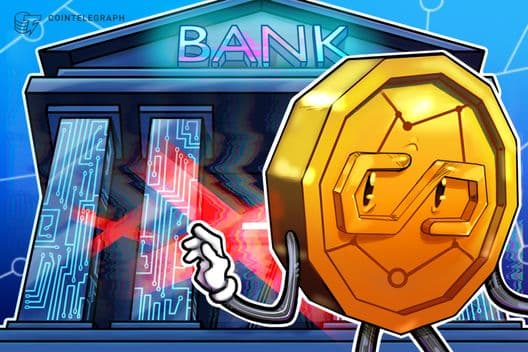
US Banking Lobby Pushes for Stablecoin Regulation Before Senate Vote
As the U.S. Senate prepares for an expected vote on a landmark crypto bill, the American Bankers Association (ABA) has taken a strong stance against the provisions related to stablecoin yields. The ABA's warnings about potential negative impacts on bank deposits highlight the complex interplay between traditional banking and the burgeoning world of cryptocurrencies.

Quick Take
| Aspect | Details |
|---|---|
| Who | American Bankers Association (ABA) |
| What | Urging senators to amend stablecoin yield provisions in the upcoming crypto bill |
| When | Ahead of the Senate vote on the crypto bill |
| Why | Concerns over reduced bank deposits due to stablecoin yields |
| Market Response | Potential volatility in crypto markets as regulations are discussed |
The Good, The Bad, and The Ugly of Stablecoin Regulation
The Good
- Consumer Protection: Stricter regulations can help protect investors from potential risks associated with stablecoins, such as volatility and liquidity issues.
- Market Integrity: Regulating stablecoins could lead to a more stable market environment, enhancing both consumer trust and institutional participation.
- Clarity for Issuers: Clear guidelines can provide certainty for companies involved in creating and managing stablecoins, encouraging innovation within a regulated framework.
The Bad
- Potential for Overreach: Excessive regulation could stifle innovation, driving projects and talent overseas where regulations may be more favorable.
- Impact on Financial Ecosystem: The banking industry’s concerns point to a significant shift that could alter the financial landscape, wherein stablecoins may compete directly with traditional deposits.
- Increased Costs: Compliance with new regulations could raise costs for stablecoin issuers, which may ultimately be passed on to consumers.
The Ugly
- Market Volatility: Sudden regulatory changes can lead to price fluctuations within the crypto market, potentially leading to losses for investors and eroding trust.
- Fragmentation of Regulation: If regulations vary significantly from state to state or country to country, it could create confusion and a fragmented market.
- Breach of Privacy: Increased regulatory oversight may compromise the privacy features that many cryptocurrencies offer, leading to a clash between user rights and regulatory compliance.
Market Context
The banking lobby's actions are not happening in a vacuum. Over the past few years, the rise of stablecoins has been meteoric, with their market cap reaching hundreds of billions of dollars. Stablecoins like Tether (USDT) and USD Coin (USDC) offer digital asset stability, which has attracted both individual and institutional investors.
However, their rapid growth has raised concerns among traditional financial institutions. The ABA's warning reflects a broader anxiety regarding the potential for stablecoins to siphon off deposits from banks, which are foundational to traditional banking operations. As these digital currencies gain traction, banks face the risk of reduced liquidity, which can impact their ability to lend.
Impact on Investors
The potential regulation of stablecoins carries profound implications for investors.
- Short-term Volatility: Investors may experience increased volatility in the crypto markets as regulatory discussions unfold, particularly if there are abrupt changes in sentiment following the Senate vote.
- Long-term Adjustments: For the long-term investor, the establishment of a regulatory framework may provide more secure investment conditions, ultimately attracting a broader range of investors who were previously deterred by the lack of oversight.
- Portfolio Diversification: Understanding the implications of stablecoin regulations will be crucial for investors looking to diversify their cryptocurrency portfolios. Staying informed can help investors make strategic decisions aligned with market developments.
Conclusion
The ABA's urgent call to action underscores the complexity of integrating stablecoins into the existing financial system. As the Senate prepares to vote, the reactions from both the banking industry and crypto advocates will shape the future regulatory landscape. Investors should remain vigilant, as the outcomes of this legislative process could well define the trajectory of stablecoins and their impact on the broader financial ecosystem. Engaging in proactive research and understanding the implications of these regulations will be key for adapting to the evolving market landscape.