 Go Back

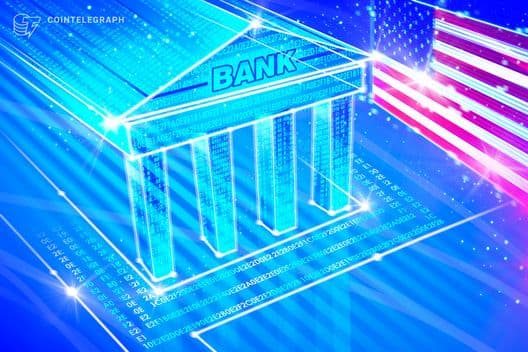
US Banks Brace for Rapid Transition to Digitized Finance
As traditional financial institutions stand on the cusp of a significant transformation, Moody's insights signal a profound shift in the landscape of finance. With expectations of a 'slow, then fast' transition to digitized finance, banks are preparing for an influx of technological adoption. This evolving scenario raises important questions about market dynamics, investor sentiment, and the future of financial interactions.

Quick Take
| Key Insight | Details |
|---|---|
| Transition Speed | Slow adoption followed by rapid acceleration |
| Bank Preparation | Active adaptations to changing market demands |
| Market Demand | Increase in tokenized finance solutions |
| Investor Implications | Shift in investment strategies necessary |
The Good: Opportunities in Digitized Finance
The prospect of a digitized finance landscape presents multiple opportunities for both financial institutions and investors. As banks begin to embrace new technologies like blockchain and tokenization, they open doors to enhanced efficiency and lower transaction costs. Here are some of the advantages:
- Increased Efficiency: Digital transactions can streamline operations, reducing the time and resources required for traditional banking processes.
- Enhanced Financial Inclusion: Tokenized finance can provide access to financial services for populations previously excluded from traditional banking systems.
- Innovative Financial Products: The transition allows for the development of new investment products that integrate cryptocurrencies and tokenized assets, catering to a broader range of investor needs.
The Bad: Risks and Challenges Ahead
While the benefits are compelling, the transition to digitized finance isn't devoid of challenges. Banks must navigate a complex environment marked by potential risks:
- Regulatory Uncertainty: As institutions shift to more digitized models, they face the challenge of complying with existing regulations, which may lag behind innovation.
- Cybersecurity Threats: The increase in digital transactions heightens the risk of cyberattacks, necessitating robust security measures.
- Market Volatility: The adoption of tokenized assets could introduce volatility to the market, impacting investor confidence and long-term stability.
The Ugly: The Investor's Dilemma
For investors, the emerging digitized finance landscape presents a double-edged sword. While the potential for growth is palpable, the inherent risks associated with this transition could lead to significant market fluctuations.
- Investment Strategies Need Reevaluation: Investors may need to reassess their portfolios and strategies as traditional assets face competition from tokenized alternatives.
- Navigating New Regulations: Staying compliant and informed about the evolving regulatory landscape will be crucial for successful investing.
- Fear of Missing Out (FOMO): As innovation surges, investors might feel pressure to invest in new digital assets quickly, leading to hasty decisions.
Market Context: A Broader View
The move towards digitized finance isn't just a trend confined to the United States. Across the globe, financial institutions are grappling with similar transformations. Central banks are experimenting with digital currencies, and fintech companies are continually disrupting traditional banking models. This macroeconomic shift is influenced by several factors:
- Technological Advancement: Innovations in blockchain and AI are reshaping financial transactions, pushing banks to innovate or risk obsolescence.
- Changing Consumer Preferences: As consumers demand faster, more efficient services, banks are compelled to adapt to avoid losing market share.
- Global Economic Pressures: Economic uncertainties stemming from geopolitical tensions and pandemic recovery efforts are accelerating the need for resilience in financial systems.
Impact on Investors
Investors keen on navigating this new terrain must stay vigilant. The future of finance is leaning towards a more digitized approach, which means:
- Diversifying Investments: Exploring opportunities within tokenized finance could yield significant returns, but it's essential to balance these with traditional assets.
- Staying Informed: Keeping abreast of regulatory changes and market trends will empower investors to make informed decisions.
- Understanding Risk Tolerance: Recognizing personal risk tolerance levels will be crucial as investors navigate the volatile waters of digitized finance.
In summary, the transition to digitized finance is not just an industry shift; it represents a profound change in how we view and engage with financial systems. As US banks gear up for this journey, the implications for investors and the broader economic landscape will be significant and far-reaching. The future of finance may very well be digital, and those who prepare will likely reap the benefits of this evolution.