 Go Back


Quick Take
| Aspect | Details |
|---|---|
| Event | US Congress ban on CBDCs until 2030 |
| Legislation | Housing bill inclusive of CBDC provisions |
| Key Dates | Ban effective until 2030 |
| Market Impact | Uncertainty for digital currency development |
| Investor Consideration | Need for alternative investments in crypto |
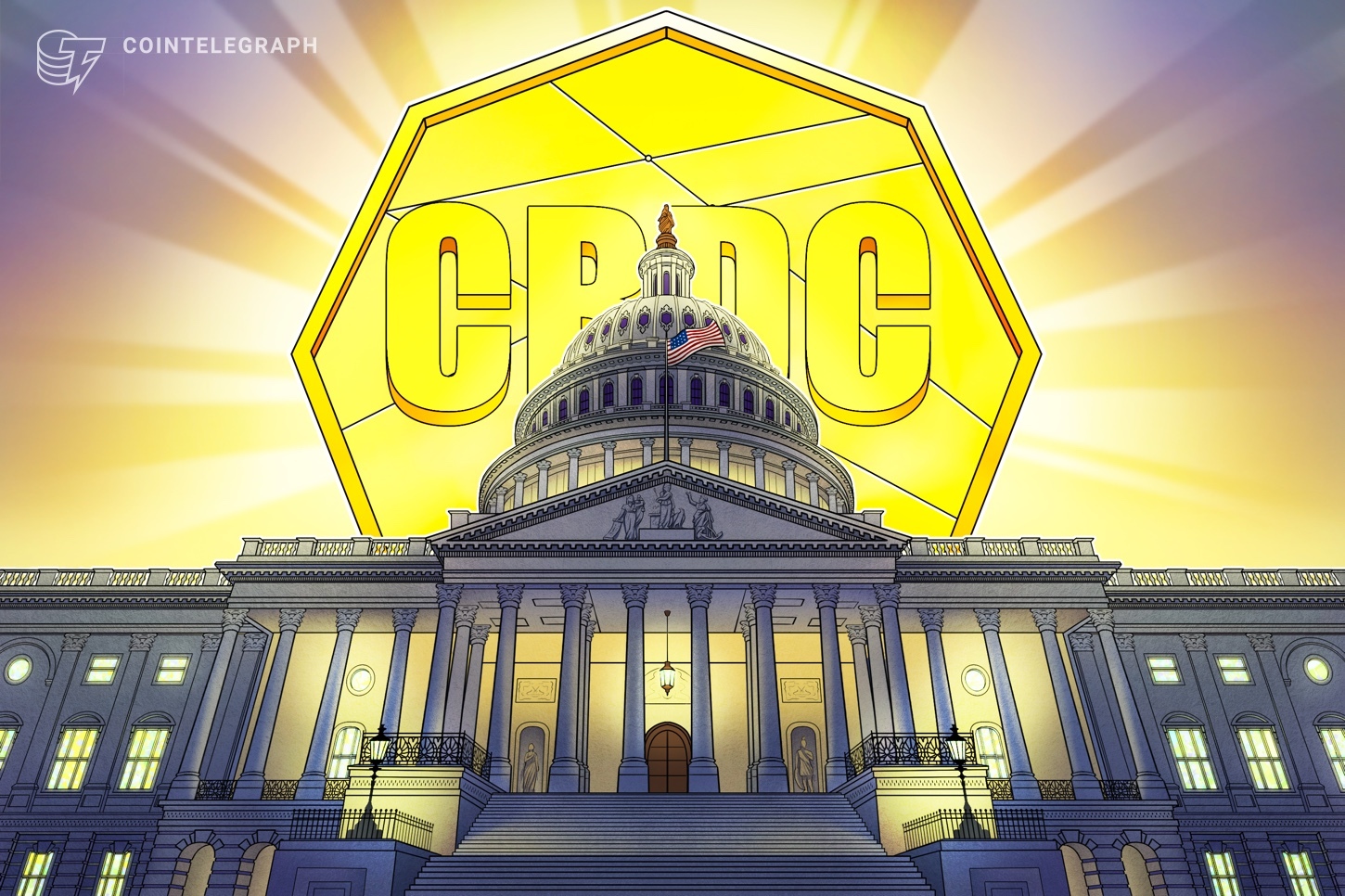
As the decentralized finance (DeFi) landscape continues to mature, recent news from the US Congress has introduced a significant regulatory hurdle for the rise of Central Bank Digital Currencies (CBDCs). The bipartisan agreement on a housing bill includes a temporary ban on CBDCs until 2030, raising questions about the future of digital currencies in the United States and the broader global economy.
Market Context
The U.S. Congress's decision comes at a time when many governments worldwide are exploring or already implementing their own CBDCs. Countries such as China with the digital yuan and the European Union with the digital euro are leading the charge, recognizing the potential benefits of a state-backed digital currency. This temporary ban can be seen as a protective measure against these advances, as the U.S. seeks to safeguard its financial infrastructure while assessing the implications of CBDCs.
The U.S. Federal Reserve has been exploring the potential of a CBDC over the past few years, citing benefits such as enhanced payment systems, reduced transaction costs, and improved financial inclusion. However, the ban raises concerns about the country falling behind in the global digital currency race. By delaying the exploration and potential implementation of a CBDC, the U.S. might relinquish its competitive edge in the financial sector, especially in light of the rapid developments seen in other nations.
SWOT Analysis of the CBDC Ban
Strengths
- Regulatory Clarity: The ban provides clear guidelines for digital currency development in the U.S. until 2030, allowing other financial innovations to flourish without immediate governmental oversight.
- Consumer Protection: By postponing CBDCs, Congress may aim to protect consumers from potential risks associated with digital currencies, including privacy concerns and market volatility.
Weaknesses
- Lagging Innovation: By banning CBDCs, the U.S. risks falling behind in the digital finance revolution, which other countries are rapidly embracing.
- Inconsistent Regulation: The ban could lead to a patchwork of regulations across states, complicating the landscape for companies involved in blockchain and DeFi.
Opportunities
- Alternative Digital Solutions: The pause on CBDCs opens the door for private sector innovations in digital currencies, allowing for potentially more flexible and user-friendly offerings.
- Enhanced Collaboration: This situation may encourage greater cooperation between tech companies and regulators in creating a framework for future digital currencies.
Threats
- Global Competitiveness: The longer the U.S. delays its stance on CBDCs, the more it risks losing out to countries that are already implementing these systems.
- Market Instability: Investors may react negatively to the uncertainty surrounding the U.S. regulatory framework, leading to increased volatility in the crypto market.
Impact on Investors
With this regulatory development, investors in the cryptocurrency space will need to navigate a new landscape characterized by uncertainty. The temporary ban on CBDCs until 2030 could signal a variety of outcomes:
- Shift in Investment Focus: Investors may look to diversify their portfolios away from CBDCs and instead focus on stablecoins or other cryptocurrencies that may serve as alternatives.
- Increased Demand for Regulatory Clarity: Investors will likely demand clearer guidelines from Congress and regulatory bodies to understand how digital currencies can coexist with traditional finance.
- Heightened Volatility: The uncertainty surrounding regulatory frameworks can lead to increased volatility in crypto markets, prompting cautious approaches from investors.
Conclusion
The U.S. Congress's decision to impose a temporary ban on CBDCs until 2030 reflects a deep-seated caution towards the introduction of digital currencies into the mainstream financial ecosystem. This regulatory move has the potential to shape the future landscape of cryptocurrency and DeFi, prompting investors to carefully consider their strategies in an increasingly complex market. The next few years will be critical as the world watches to see how this landscape evolves and how it will impact the global economic framework.
Investors and policymakers alike will need to remain vigilant and adaptive to the shifts in the digital currency narrative as a result of this legislative decision. Only time will tell if this cautious approach will lead to a more robust financial system or hinder the U.S.'s competitive edge in the digital economy.