 Go Back


Quick Take
| Key Points | Details |
|---|---|
| Legislation | New bill introduced to regulate prediction markets |
| Focus | Concerns about government officials using insider knowledge |
| Context | Links between military actions and prediction market betting |
| Impact | Potential changes in market dynamics and investor behavior |
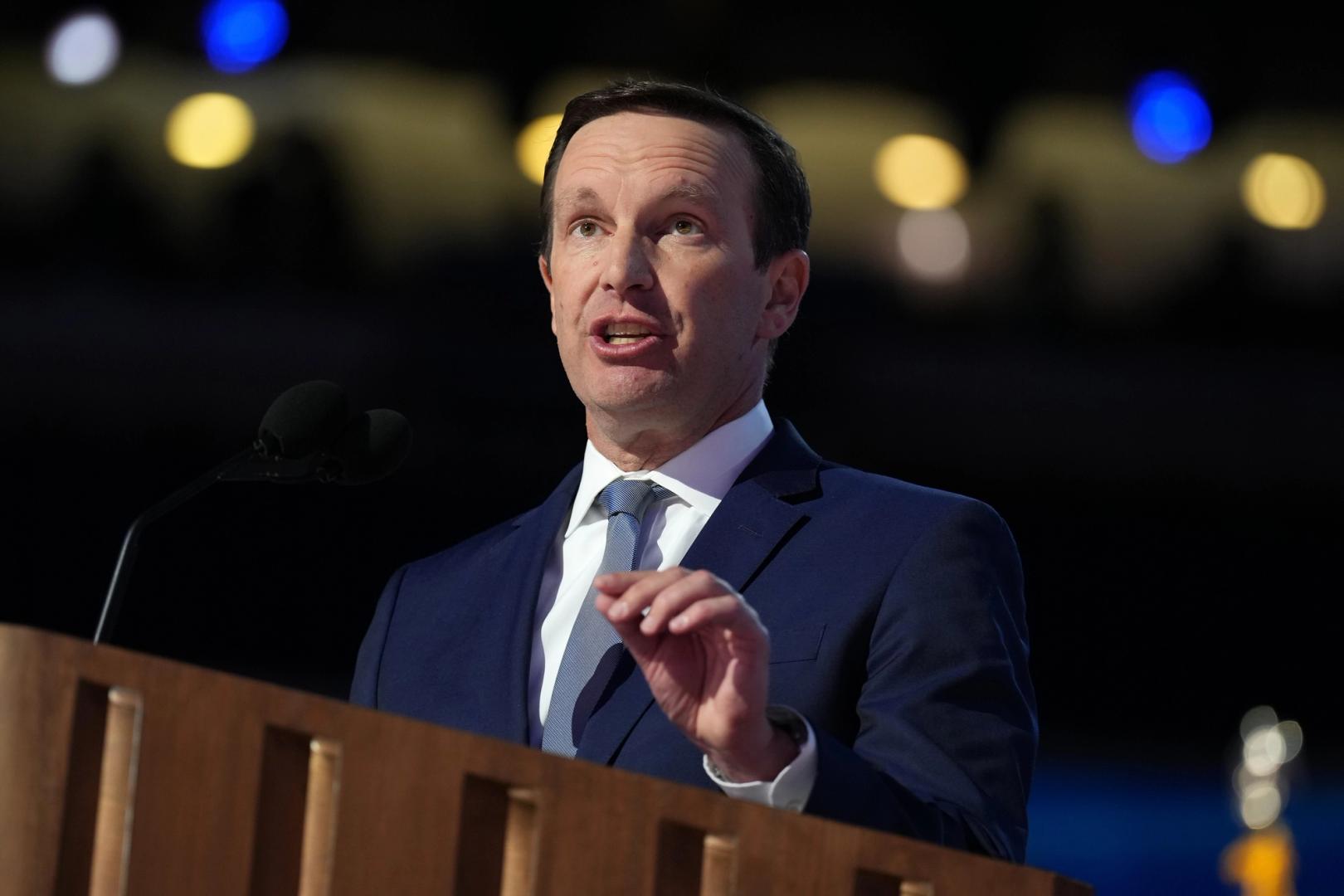
As geopolitical tensions escalate, the intersection of military action and financial markets has become increasingly scrutinized. Recently, U.S. Democrats have moved to regulate prediction markets amid concerns that government officials may exploit these platforms for personal gain. This move could have significant implications for both the integrity of prediction markets and the broader investor landscape.
Background on Prediction Markets
Prediction markets, often referred to as 'betting markets,' allow participants to wager on the outcomes of future events. These platforms utilize collective intelligence to forecast outcomes based on the wisdom of the crowd, thus creating insightful predictions about political events, market movements, and even military actions. However, concerns have arisen regarding potential abuses, particularly involving government officials who might have access to sensitive information.
Legislative Response
In response to these concerns, bipartisan support has emerged within the Senate and House of Representatives for a new bill aimed at curbing the potential for insider trading within prediction markets. This legislation seeks to enforce stricter regulations to ensure that government officials cannot leverage their unique access to sensitive information for personal gain in these markets. The bill reflects a growing awareness of the ethical implications of combining government policy and financial speculation.
Market Context
Historical Precedent
The issue of insider knowledge and its impact on market integrity is not novel. Historical instances, such as the controversy surrounding trades made before significant announcements or actions, highlight the potential for market manipulation. The introduction of this bill follows various high-profile cases where government officials were scrutinized for trades made ahead of critical military and economic decisions, suggesting a pattern of concern that necessitates legislative action.
Current Landscape
The current geopolitical climate is characterized by increasing uncertainty, particularly concerning U.S. military actions worldwide. As the U.S. continues to navigate complex international relations, the use of prediction markets to gauge potential military interventions has gained traction. However, the introduction of regulation could alter market dynamics significantly. Investors who base their strategies on prediction market outcomes might find themselves reassessing their approaches as new rules come into play.
Impact on Investors
Changes in Market Behavior
The proposed regulation could lead to a decline in participation from government officials in prediction markets, potentially altering the accuracy of predictions made on these platforms. With fewer insiders participating, the market may rely more heavily on general public sentiment rather than expert insight. This shift could lead to increased volatility and unpredictability, which could impact investors who utilize these markets to inform their decision-making.
Long-Term Implications
In the long term, if the bill passes and new regulations are enforced, prediction markets may evolve into more standardized financial instruments, akin to traditional derivatives trading. This could attract institutional investors who prefer structured environments with clear compliance guidelines. However, such changes might also deter casual participants, thereby reducing the diversity of opinion and insight traditionally found in these markets.
Conclusion
The U.S. Democrats' initiative to regulate prediction markets reflects a crucial intersection between government oversight and financial integrity. As the bill moves through the legislative process, its implications could resonate far beyond the realm of prediction markets, influencing broader investor behavior and market dynamics. The evolution of these markets amidst regulatory scrutiny presents a compelling case for both investors and policymakers to watch closely—highlighting the need for vigilance and adaptability in an ever-changing landscape.
Final Thoughts
As investors and stakeholders in the prediction market ecosystem, it is essential to remain informed about regulatory developments and their potential impact on market strategies. The proposed legislation serves as a reminder of the delicate balance between leveraging market insights and maintaining ethical standards within the financial sphere.