 Go Back

US-Iran Tensions: Implications for Global Markets and Crypto
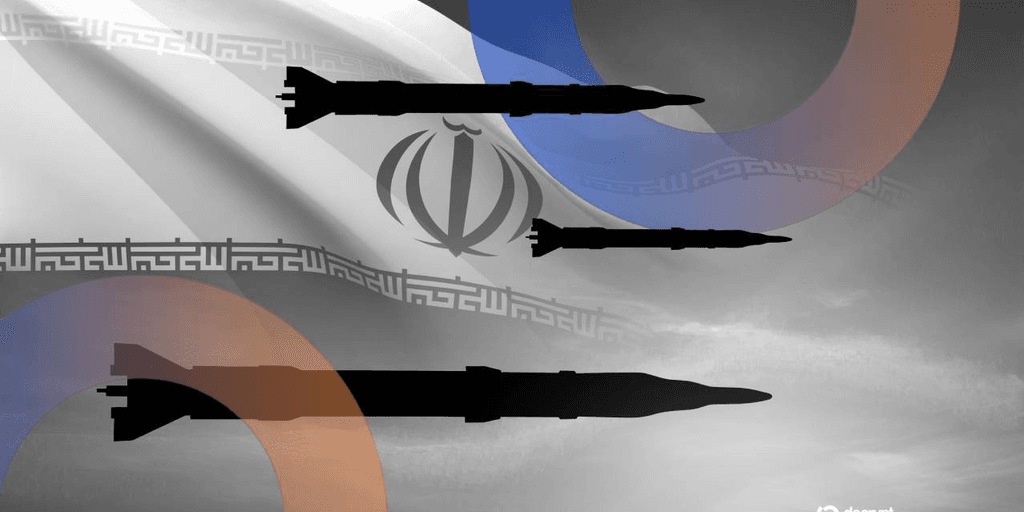
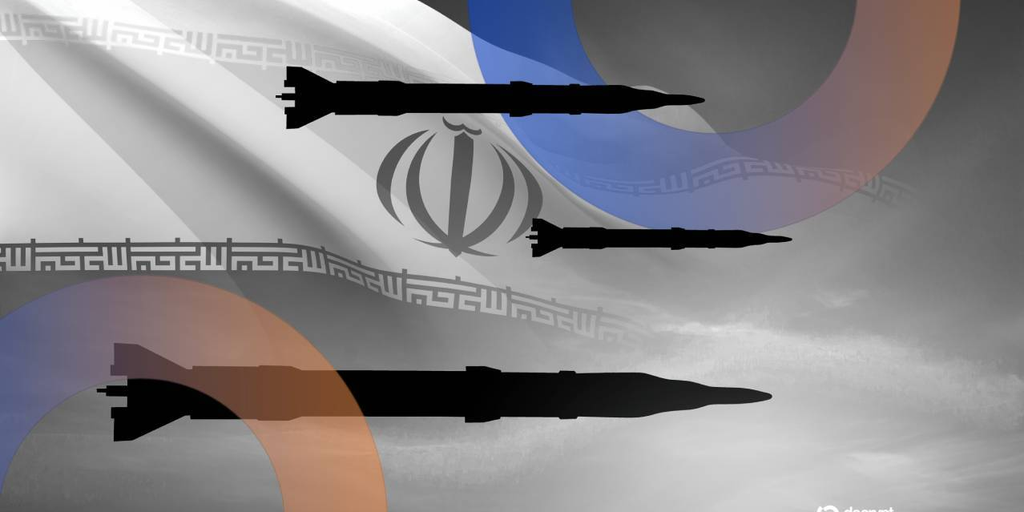
Recent geopolitical developments, including the downing of a fighter jet and subsequent rescue missions in the Strait of Hormuz, have reignited global concerns regarding US-Iran relations. As President Trump stated, the situation could be resolved “with a little more time,” but this uncertainty is causing ripples across various markets, particularly in the cryptocurrency space.
Quick Take
| Event | Impact |
|---|---|
| Downed fighter jet | Heightened geopolitical tensions |
| US potential military action | Increased oil prices and market volatility |
| Iran's response | Uncertainty affecting global trade and security |
| Crypto market reaction | Possible surge in Bitcoin as a safe haven |
Market Context
The Strait of Hormuz is a significant chokepoint for global oil shipments, making any military escalation in this region a major concern for traders and investors. The recent incident involving a downed fighter jet could be a catalyst for more aggressive US military involvement in Iran, resulting in increased oil prices and a cascading effect on global markets. Historically, geopolitical tensions have led to spikes in oil prices, and with the current volatility in the global economy, this could create a perfect storm for financial markets.
Moreover, the cryptocurrency market has often reacted to geopolitical events in unpredictable ways. While traditional assets like stocks may experience downturns, cryptocurrencies such as Bitcoin have sometimes been viewed as a safe haven during times of uncertainty. As traders anticipate potential military action, we may see increased interest in digital assets as investors look to hedge against traditional market risks.
Historical Context
Looking back at past incidents, such as the US-Iran tension surrounding the assassination of Iranian General Qassem Soleimani in early 2020, we saw a brief spike in oil prices and subsequent fluctuations in the stock market. Similarly, Bitcoin saw increased trading volumes, suggesting that investors were reallocating capital to digital assets during periods of instability.
Impact on Investors
Investors should approach the current geopolitical landscape with caution. Here are some potential impacts:
- Oil Prices: Expect volatility. Increased military action or further sanctions against Iran can lead to price hikes in oil, affecting the overall economy.
- Stock Markets: Uncertainty tends to lead to bearish trends in stock markets, particularly in sectors closely tied to oil and energy.
- Cryptocurrency: Bitcoin and other cryptocurrencies may see increased interest as investors seek diversification and safety from market downturns. Historically, Bitcoin has reacted positively to geopolitical strife by attracting more institutional investors seeking stability.
Future Predictions
- Short-term Volatility: Expect heightened volatility across all markets in the short term as traders react to news developments.
- Long-term Shift: If tensions escalate, there could be a long-term shift in how investors view risk assets, leading to a broader acceptance of cryptocurrencies as a legitimate store of value.
- Regulatory Response: Increased geopolitical tensions may also prompt regulatory discussions around cryptocurrencies, as governments seek to understand how digital assets could be used in conflict scenarios.
Conclusion
While the situation remains fluid, it is crucial for investors to stay informed and adaptable. The interplay between geopolitical events and market reactions will continue to shape the financial landscape, particularly in the realm of cryptocurrencies. Understanding these dynamics can provide valuable insights for navigating the upcoming economic climate as tensions between the US and Iran develop further.
Tags
- US-Iran Relations
- Global Markets
- Cryptocurrency
- Geopolitics
- Economic Impact
- Oil Prices