 Go Back

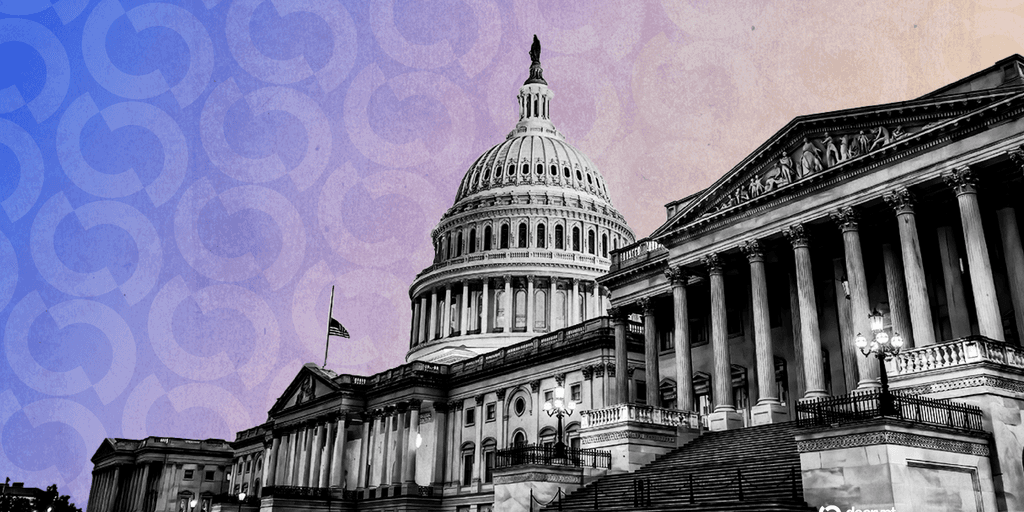
US Senate Passes Housing Bill: A Four-Year Federal CBDC Ban
In a significant move that could shape the future of digital currencies in the United States, the Senate recently passed a bipartisan housing bill with a notable provision: a ban on the development of a Federal Reserve digital dollar (CBDC) until 2030. The bill passed with a substantial majority, 85-5, reflecting a rare moment of consensus among lawmakers on the controversial topic of digital currencies. This legislation now moves to the House for consideration.
Quick Take
| Key Details | Information |
|---|---|
| Bill Passed | 85-5 in Senate |
| Ban Duration | Until 2030 |
| Next Step | Consideration by the House |
| Key Focus | Housing and CBDC regulation |
The Good
The bipartisan nature of the bill signals a unified recognition among lawmakers of the complexities and implications associated with a Federal CBDC. In many respects, this ban can be viewed as a protective measure. Lawmakers who supported the bill argue that a digital dollar could potentially undermine the existing banking system, create challenges around privacy, and lead to increased government surveillance of financial transactions. Additionally, by focusing on housing, the bill aims to address pressing issues faced by millions of Americans, facilitating better access to housing while the country grapples with economic challenges.
The Bad
On the flip side, the ban on a Federal CBDC until 2030 raises concerns regarding the U.S.'s competitive edge in the global financial landscape. Other countries, such as China, are making significant strides with their digital currencies, putting the U.S. at risk of falling behind. A delayed digital dollar could prevent the U.S. from capitalizing on advancements in fintech and limit its ability to respond effectively to international economic shifts. Moreover, a lack of a regulated digital dollar could pave the way for unregulated cryptocurrencies to flourish, which might pose risks to consumers and the financial system as a whole.
The Ugly
The implications of this housing bill may extend beyond just the digital dollar ban. The housing market is currently experiencing a crisis, with skyrocketing prices and accessibility issues. By effectively sidelining a potential digital dollar, the bill could inadvertently hinder innovative solutions that might leverage CBDCs to create more accessible housing financing options. Furthermore, the ongoing political maneuvering surrounding this bill could lead to a polarized debate that distracts from urgent economic issues, ultimately preventing more comprehensive reforms that could benefit struggling Americans.
Market Context
The move to delay a Federal CBDC comes at a critical juncture. With inflation concerns and a volatile economic landscape, many nations are exploring or already implementing their digital currencies to provide a stable alternative to traditional banking. The U.S. Federal Reserve has been studying the implications of a digital dollar for several years, weighing its potential benefits against the risks of facilitating broader financial surveillance.
The ongoing discussions around CBDCs highlight a global trend: central banks around the world are increasingly looking to digital currencies as a mechanism to bolster financial stability, increase transaction efficiency, and reduce costs associated with cash transactions.
As the U.S. legislature deliberates, other countries are advancing their digital currency initiatives. China’s digital yuan is already in testing phases, and countries like the UK and EU are closely evaluating their own paths forward. This growing momentum abroad raises questions concerning the U.S.'s position in the digital finance landscape—especially as innovations in blockchain technology continue to evolve.
Impact on Investors
For investors, the implications of this legislation are multi-faceted. On one hand, the immediate effects may not be noticeable in the short term, especially if the House approves the bill. However, the long-term effects could reshape investor sentiment and strategies surrounding digital assets.
The absence of a regulated CBDC may lead to increased volatility within the cryptocurrency market, as users turn to decentralized financial systems that could operate outside the purview of traditional banks. This volatility can present both risks and opportunities for savvy investors.
Moreover, the delay in adopting a Federal CBDC could prompt existing crypto assets to thrive, giving investors an edge in exploring alternative financial landscapes. In contrast, it may also raise uncertainty and skepticism around investments, especially if legislative efforts to regulate the cryptocurrency space become more stringent.
Conclusion
The Senate's passage of the housing bill with a CBDC ban adds another layer of complexity to the ongoing discussions about digital currencies in the U.S. As the landscape evolves, stakeholders must navigate the delicate balance between innovation and regulation. Understanding the implications of this legislation is crucial for both consumers and investors as the financial ecosystem continues to adapt to technological advancements.
In the coming years, keeping an eye on the outcomes of this bill will be essential for all parties involved—from lawmakers and financial institutions to everyday consumers looking for viable economic solutions.