 Go Back


U.S. Senate Passes Housing Bill, Blocking Fed CBDC for Four Years
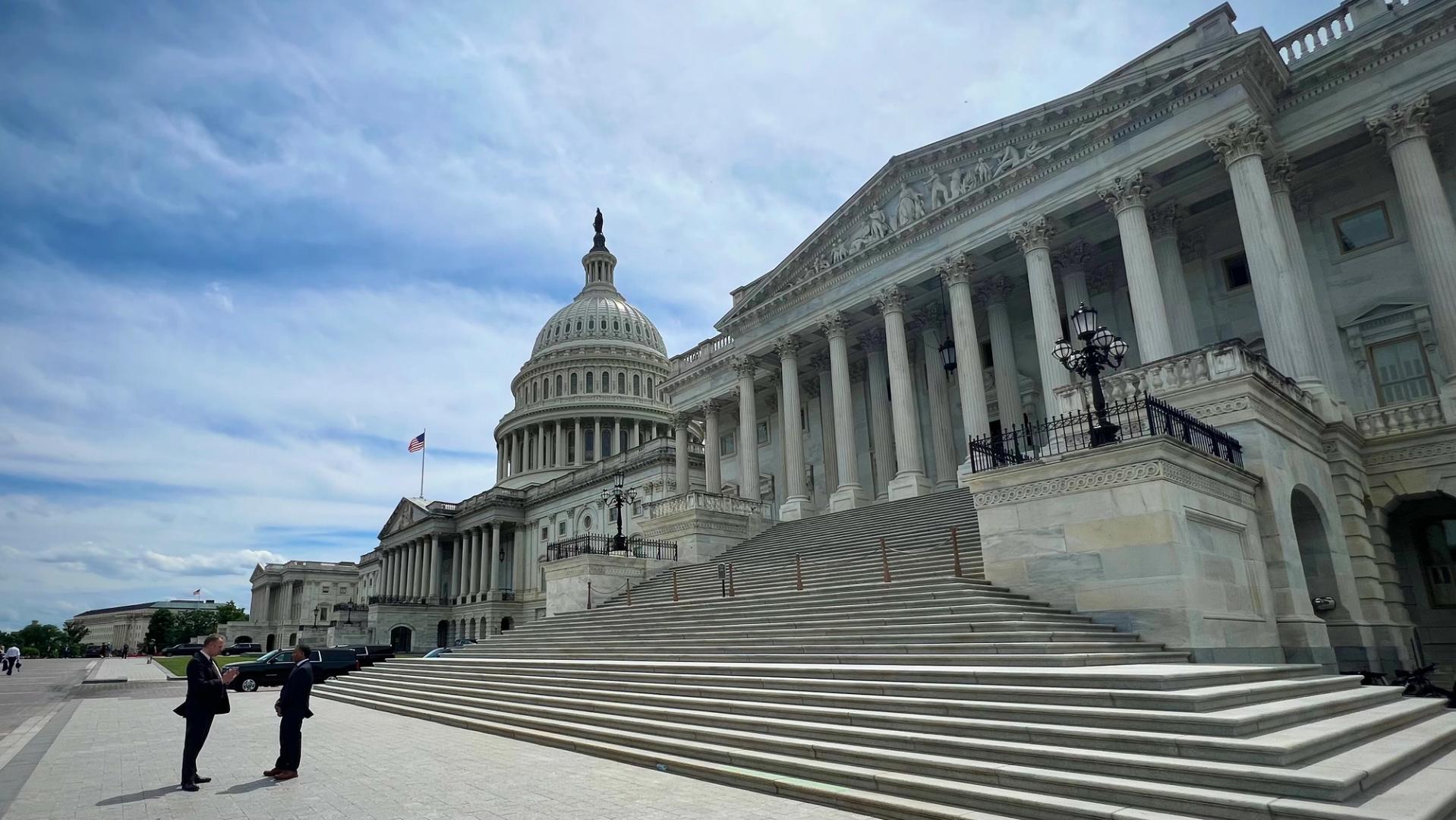
In a significant legislative move, the U.S. Senate has passed a housing bill that includes a four-year ban on the development of a Federal Reserve Central Bank Digital Currency (CBDC). While the concept of a CBDC has primarily been a topic of research within the Federal Reserve, this new restriction may indicate a shift in the U.S. government's stance towards digital currencies and their role in the economy.
Quick Take
| Aspect | Details |
|---|---|
| Legislation | U.S. housing bill with CBDC ban |
| Duration of Ban | Four years |
| Current Status | Passed by the U.S. Senate |
| Implications | Delay in Federal Reserve's CBDC development |
Historical Context
The idea of a CBDC has gained traction globally, with several countries exploring or even piloting their own digital currencies. China is often cited as a leading example with its Digital Yuan, which is already undergoing trials in various cities. The U.S. has been relatively slow to formalize its stance, primarily focusing on studying the potential impacts of a CBDC on various economic sectors.
This recent move by the Senate to impose a ban can be viewed as a reaction to ongoing debates around privacy, financial security, and the role of digital currencies in an increasingly digital economy. Critics of CBDCs argue that they could lead to increased surveillance of financial transactions and undermine the existing banking system. Conversely, proponents believe that a U.S. CBDC could bolster the country's financial infrastructure and offer a more efficient payment system.
Market Context
The broader context of this legislation falls within a challenging macroeconomic landscape. Inflation rates remain elevated, and concerns about economic stability are paramount as the Federal Reserve continues to navigate interest rate changes. In this environment, the introduction of a CBDC could have profound implications for monetary policy. A central bank digital currency could provide the Federal Reserve with new tools to implement effective monetary policy, especially in times of economic downturn.
With the Senate's decision to implement a ban for the next four years, it raises questions about how the U.S. will compete on the global stage. Other countries are moving forward with their digital currency initiatives, which could lead to a scenario where the U.S. falls behind in digital finance innovation.
Regulatory Landscape
The regulatory landscape around cryptocurrencies and digital currencies is complex and continuously evolving. With various state and federal agencies taking different stances on regulation, businesses and investors are left navigating an uncertain environment. The ban on a Federal Reserve CBDC could further complicate this landscape by creating a divide between traditional forms of currency and emerging digital alternatives.
The Senate's decision may serve to solidify existing concerns over how digital currencies are perceived and treated by regulators. As U.S. lawmakers grapple with the implications of digital currencies, it’s essential for investors and stakeholders to stay informed about potential changes in the regulatory framework that could impact their operations.
Impact on Investors
For investors, the implications of this ban may manifest in various ways. The delay in the development of a Federal Reserve CBDC could prolong the uncertainty surrounding digital assets and their integration into the traditional financial system. Investors might be cautious about entering the market given the potential for regulatory upheaval.
- Increased Volatility: While some investors may see opportunities in the short-term volatility of cryptocurrencies, a ban on a CBDC could lead to increased uncertainty about the future of digital currencies, potentially leading to greater price swings.
- Shift in Investment Strategies: Investors may pivot to alternative digital assets or rely more heavily on decentralized finance (DeFi) platforms, as they seek innovative avenues that bypass traditional banking systems.
- Focus on Compliance: As regulations continue to evolve, investors should prioritize compliance and adapt their strategies to align with new legislative measures, focusing on transparency and sustainability.
Looking Ahead
The U.S. Senate's decision to ban a Federal Reserve CBDC for four years may have immediate implications, but the long-term impact is yet to be seen. As digital currencies continue to evolve globally, the U.S. must consider its position in the international landscape. The future of finance may hinge on how quickly lawmakers and regulators adapt to an increasingly digital world.
In summary, while the housing bill signifies a pause in Fed-backed digital currency initiatives, it opens the door to new discussions about the future of money, privacy, and the financial system's evolution. Investors, policymakers, and financial institutions must stay vigilant as the implications of this legislative decision unfold in the coming years.